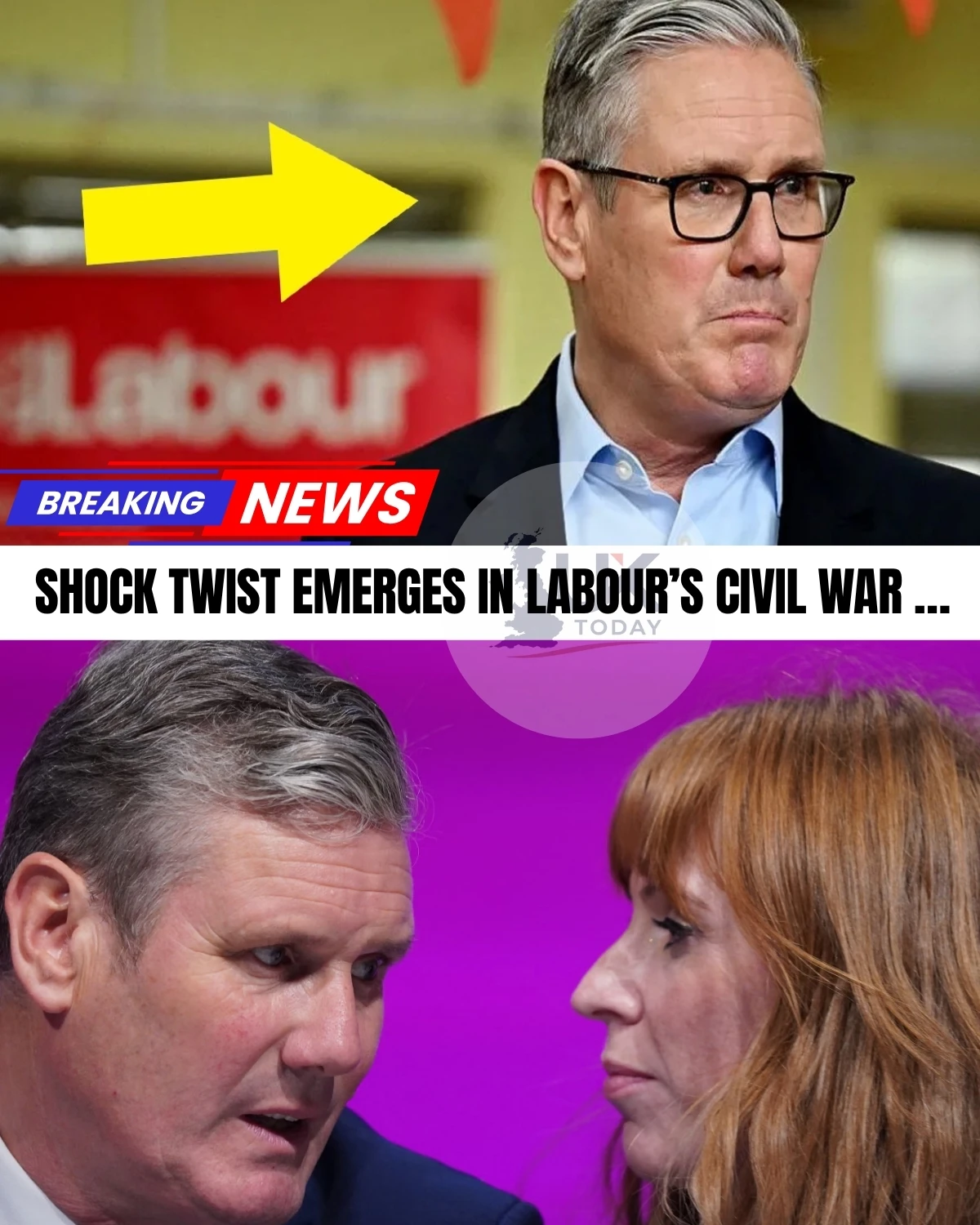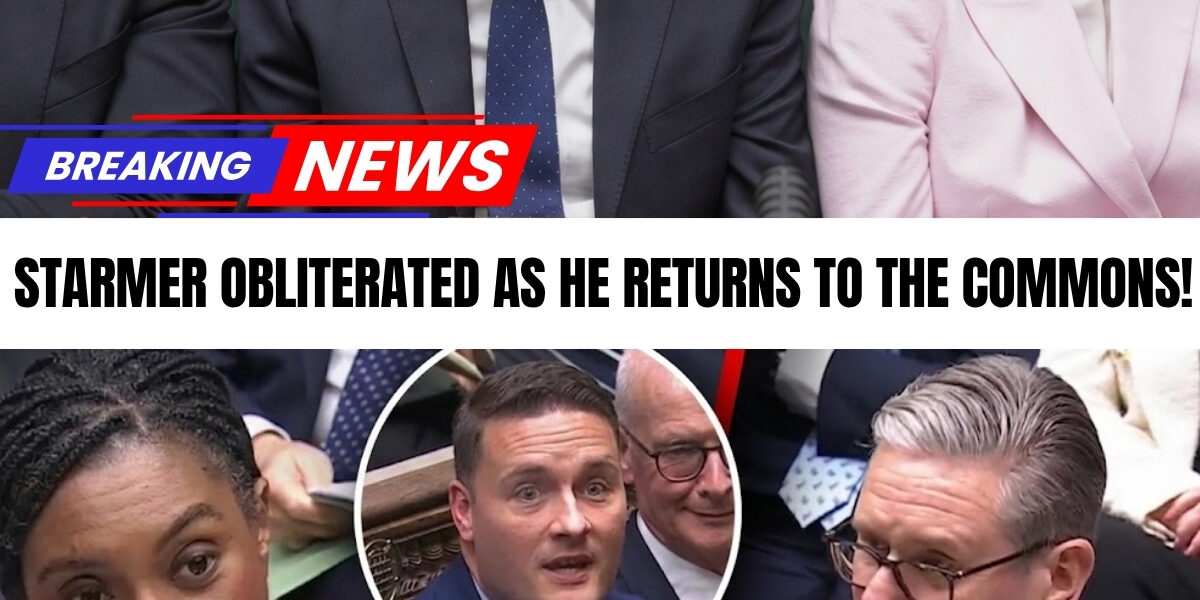
The House of Commons just turned into a political graveyard! 💀 Keir Starmer is “in office but not in power” as 100 MPs mutiny and a record 24 U-turns leave the UK in absolute CHAOS.

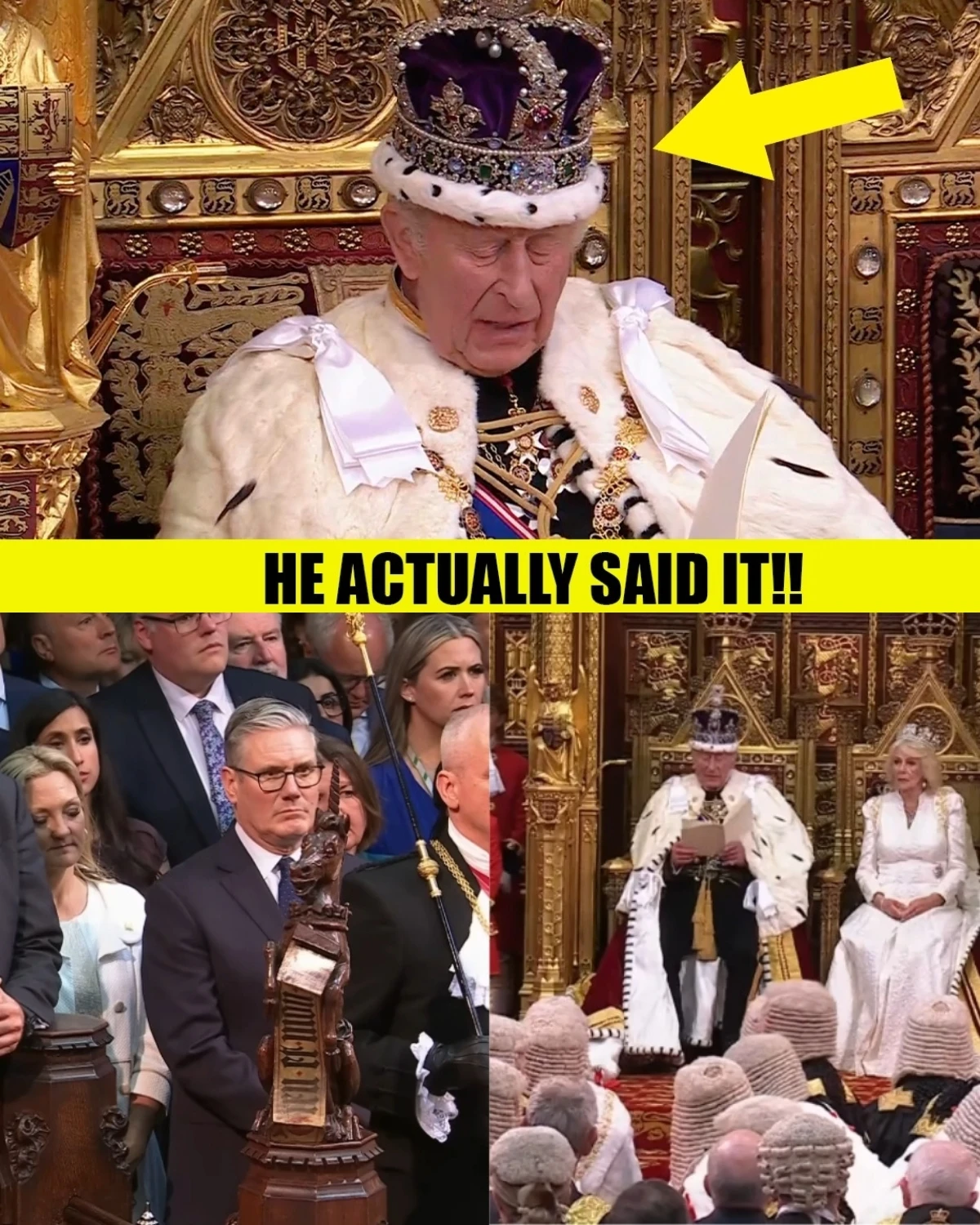
The British political arena is experiencing seismic shifts as Prime Minister Keir Starmer and the Labour government face one of the most severe crises since taking office less than two years ago. During the House of Commons session debating the King’s Speech, the Leader of the Opposition delivered a blistering attack, exposing internal government chaos and fiercely criticizing the Prime Minister’s leadership.
Immense Pressure to Resign and Internal Fractures
Opening the debate, the Opposition painted a grim picture of the current state of the Labour Party. Within the past 48 hours, Keir Starmer’s government has witnessed significant turmoil. Nearly 100 Labour MPs have publicly called for the Prime Minister’s resignation. More critically, four cabinet ministers have resigned, signaling a widespread vote of no confidence originating from the very top of the administration.
The Leader of the Opposition emphasized: “The Prime Minister is in office, but no longer in power. Everyone is pretending things are fine, but they are not fine.” Starmer’s authority is seen as having evaporated, leaving the government virtually unable to execute the meager plans outlined in the King’s Speech.
“Winning an Election is Easy; Governing is Hard”
The Conservatives identified the core of the current crisis as Labour entering government without a realistic plan, accusing them of confusing an electoral victory with the complexities of running a nation.
A litany of Labour’s past campaign promises was scrutinized, including:
-
Freezing council tax.
-
Cutting energy bills by £300.
-
Commitments to support the “WASPI” women (those affected by changes to the state pension age).
The Opposition mocked Labour MPs who were once eager to photograph themselves with these voters for Facebook and campaign leaflets, but “never bothered to think about how they would actually deliver those promises.”
The current government was judged to have been overconfident, assuming that managing the UK in the 2020s would be as simple as the 1990s. In reality, Britain faces structural challenges: an aging population, falling birth rates, skyrocketing welfare bills, and an AI revolution threatening to reshape the labor market. Furthermore, high energy costs are driving industries out of the country.
Policy Failures and 24 “U-turns”
The Opposition also slammed the Labour manifesto, calling it a “collection of misleading promises.” Policies once pledged—such as no tax hikes for working people, controlling illegal immigration, and a lighter touch in citizens’ lives—were deemed total failures.
Housing was highlighted as a prime example of government impotence. Labour’s commitment to build 1.5 million new homes is currently lagging by more than a third of its target.
Furthermore, Starmer’s indecisiveness was highlighted by a record 24 U-turns in just the first parliamentary session. Reversals included policies on winter fuel payments, family farm subsidies, welfare reform, social media laws for under-16s, and workers’ rights. The Opposition asserted that the root cause of this chaos is the Prime Minister’s “complete lack of judgment.”
The Labour Leadership Race Begins
With the administration teetering, candidates to replace Starmer have already begun their maneuvers. In the House, the Opposition offered biting critiques of these potential successors:
-
The Former Deputy Prime Minister: Mocked for “quitting vaping but still not paying taxes.”
-
The Health Secretary: Ridiculed for the “accidental” leak of his leadership plan to Number 10, an act described as utterly unprofessional.
-
The Mayor of Manchester: Who calls himself a “winner” but has twice failed in previous Labour leadership bids.
An “Alternative King’s Speech”
Moving beyond criticism, the Leader of the Opposition unveiled an “Alternative King’s Speech,” outlining a rescue plan they argue is necessary but that Labour lacks the courage to implement:
-
Economy & Energy: A proposed Cheap Energy Act to remove “Net Zero” regulations that stifle industry and inflate prices. It also calls for cutting wasteful spending and halting tax hikes on businesses.
-
Security & Immigration: Withdrawal from the European Court of Human Rights (ECHR) and the repeal of the Human Rights Act to regain border control, preventing international treaties and lawyers from blocking the deportation of foreign criminals.
-
Welfare & Defense: Slashing welfare spending—which is currently “consuming” nearly all income tax revenue. Simultaneously, the proposal includes a Sovereign Defense Fund to overhaul the UK’s defense industrial base in an increasingly dangerous global environment.