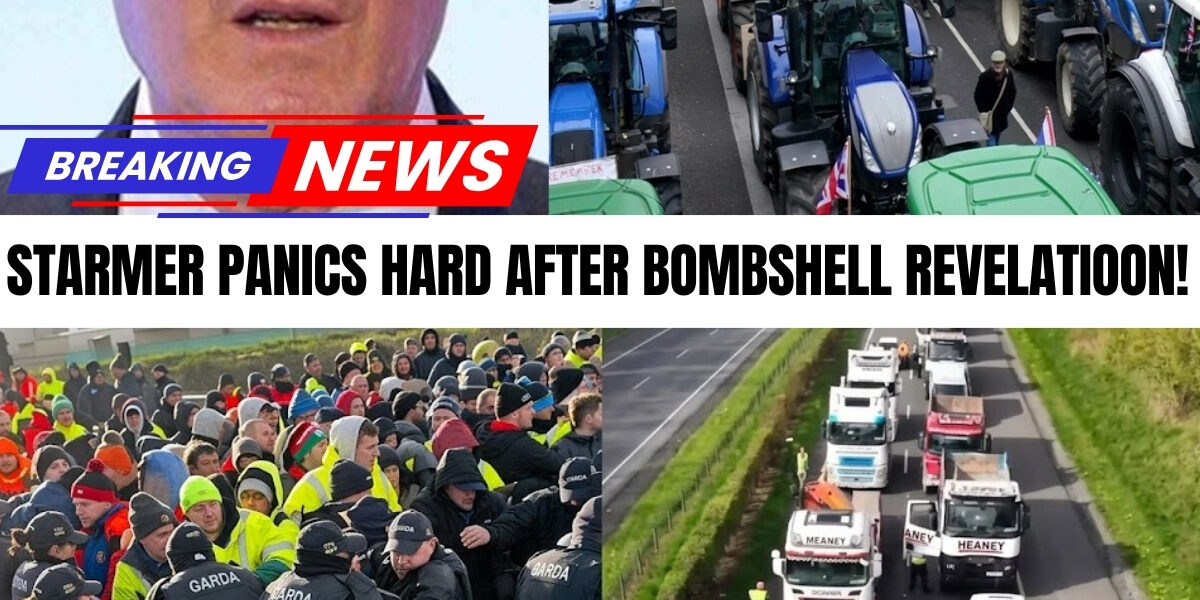
Is the UK about to stand still? 🇬🇧 Following 6 days of total chaos in Ireland, a massive wave of unrest is officially crossing the Channel! 🌊 Farmers and truckers are joining forces for a nationwide blockade that could paralyze the entire country as early as next week!

The United Kingdom is facing the prospect of a major transport and civil disruption, as farmers, truck drivers, and working-class groups across the country are reportedly planning nationwide blockade protests as early as next week. The movement is said to be directly inspired by the “paralyzing” demonstrations currently unfolding in Ireland.
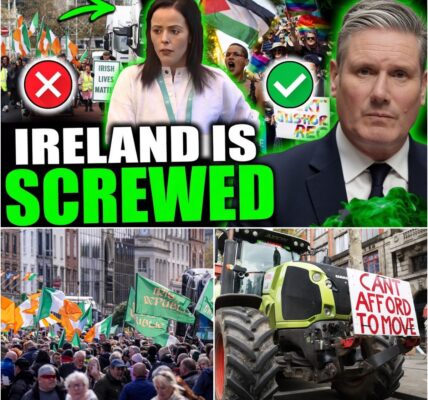
The wave of unrest originated in Ireland, where large-scale motorway blockades have been organized by working-class groups. Initially sparked by rising fuel prices, the protests have quickly expanded into broader anger over policies that demonstrators claim are “damaging Irish culture.”
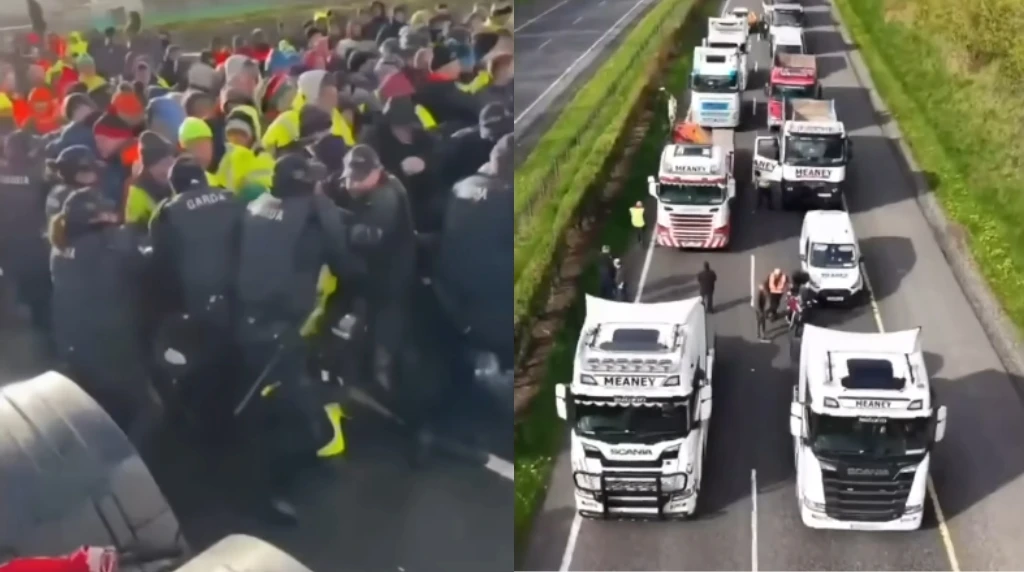
Footage from the ground shows thousands participating in road blockades, leading to tense confrontations. Irish authorities have deployed both the police (Garda) and the military to respond to what they describe as “far-right agitators,” though many participants include farmers and local workers.
Despite these measures, the protests have now entered their sixth consecutive day, with no clear sign of de-escalation.
A domino effect now appears to be building, potentially hitting the government of Keir Starmer directly.
Reports suggest that Northern Ireland is preparing for its first major protest as early as Tuesday, while farming groups in England are expected to meet next week to coordinate nationwide action.
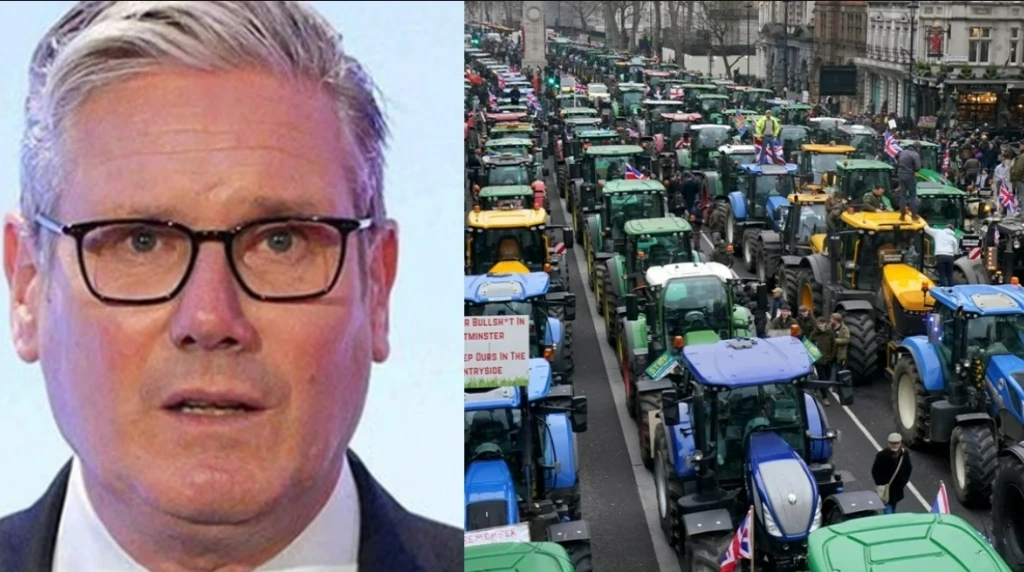
The immediate trigger is soaring fuel prices, with diesel now exceeding £2 per liter. UK farmers are no strangers to such protests—in previous demonstrations, tens of thousands mobilized tractors to disrupt London over inheritance tax policies introduced by the Labour Party.
The potential alliance between farmers—already angered by tax policies—and truck drivers and workers struggling with fuel costs could create a far larger and more difficult-to-control protest movement than seen before.
The Starmer government is now at the center of public anger. Critics argue that despite efforts by Energy Secretary Ed Miliband to present the government as supportive of households, the structure of fuel pricing tells a different story.

Recent cost breakdowns show that wholesale fuel prices account for only about 33% of the pump price. VAT makes up around 17%, while retailer margins stand at roughly 6%. The largest component, however, is fuel duty—a direct source of revenue for the government.
Protesters argue that while the government controls the largest share of the price structure, it has refused to implement meaningful tax reductions to ease the burden on citizens.
Analysts warn that if Ireland-style protests take hold in the UK, they could represent the most serious test of public order for the Labour government since taking power.
With tensions rising and coordination efforts underway, Prime Minister Starmer may soon face one of the most challenging periods of his leadership—caught between economic pressures, public anger, and the risk of widespread national disruption.