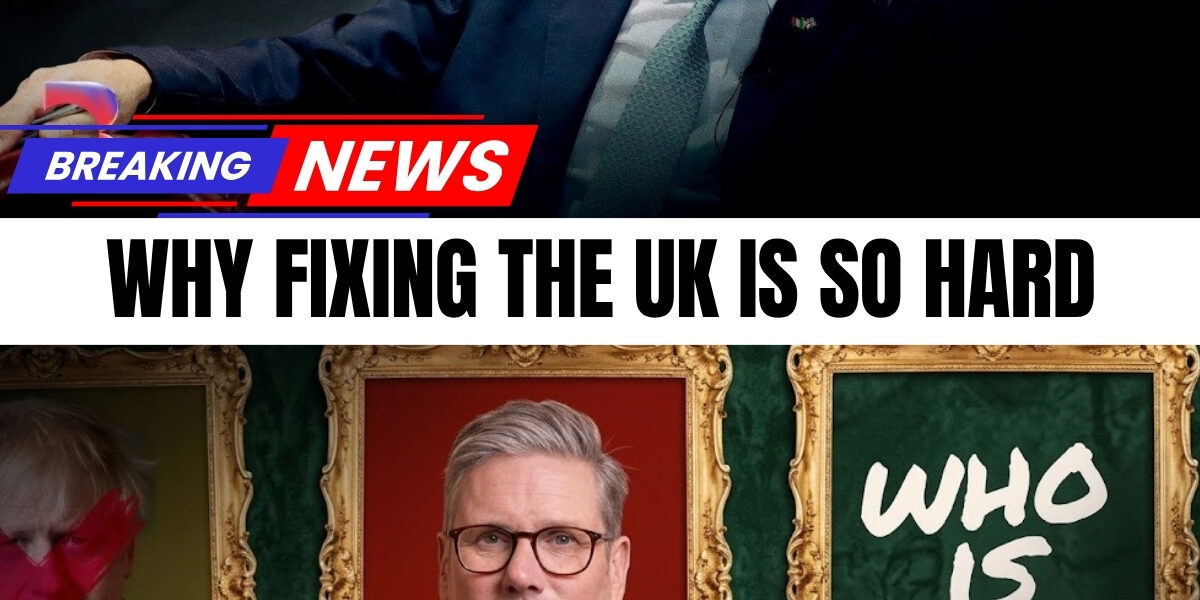
Prime Minister Keir Starmer is fighting for his ultimate political survival! 😱 Less than two years after a landslide victory, the Labour government has plummeted into a catastrophic existential crisis following brutal, historic losses in the May local elections.


Less than two years after securing a landslide victory, Prime Minister Keir Starmer’s government is facing an existential crisis. A convergence of soaring national borrowing costs, global geopolitical instability, and a revolt within his own Labour Party has left the Prime Minister fighting for his political survival, raising questions about whether Britain has become fundamentally “ungovernable.”
The Political Unraveling
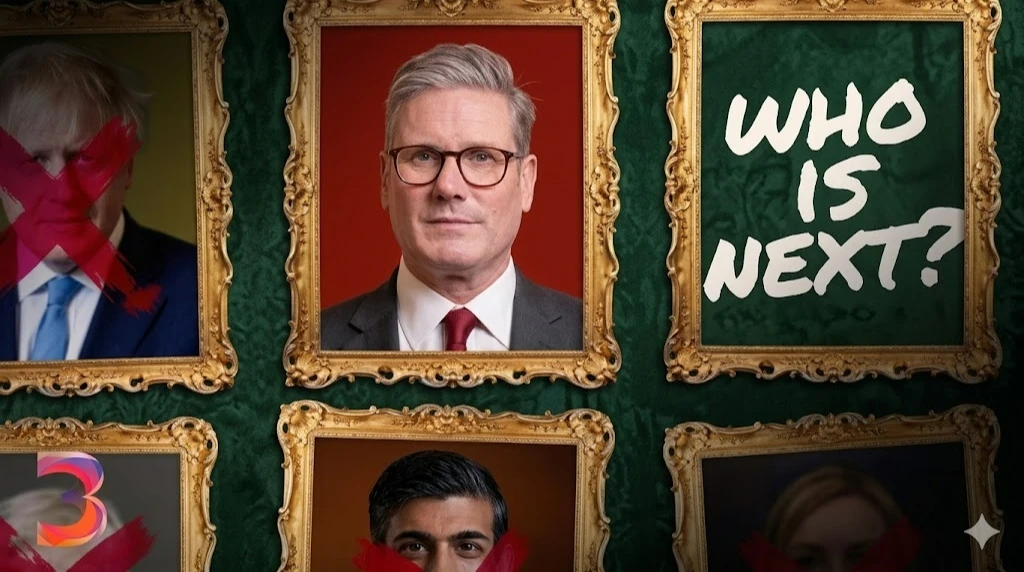
The initial optimism following Labour’s historic 2024 victory has rapidly eroded. Recent local elections in May delivered a severe blow to Starmer’s mandate, with the Labour Party suffering heavy losses across the country. The electoral hemorrhaging is twofold: Labour is losing ground to the right-wing Reform UK led by Nigel Farage, and simultaneously bleeding votes to the left-wing Green Party under Zack Polanski.
Internally, the knives are out. Dozens of Labour MPs are reportedly calling for Starmer to step down, citing an inability to connect with voters and a failure to deliver the core campaign promise: “Change.”
The political damage has been compounded by severe missteps and scandals. Starmer’s administration was deeply bruised by early, controversial cuts to pensioner benefits and £40 billion in business-focused tax hikes, which critics argue stifled growth and drove up unemployment. Furthermore, the Prime Minister was recently forced to sack Peter Mandelson from his post as Ambassador to Washington following explosive revelations from a Bloomberg News investigation regarding Mandelson’s deep ties to disgraced financier Jeffrey Epstein.
The Economic Chokehold: The Bond Vigilantes Return
While the Westminster drama dominates the headlines, the true arbiter of Starmer’s fate may be the global bond market. Britain is currently grappling with a severe macroeconomic reality check, primarily driven by the soaring cost of long-term government borrowing.
Yields on 30-year UK government bonds, known as gilts, hit new highs in May—reaching levels not seen since 1998. The UK is carrying a debt burden exceeding 90% of its economic output. In the most recent fiscal year, the government spent roughly £100 billion merely servicing the interest on this debt, a figure nearly equivalent to the nation’s entire annual education budget.
This spike in borrowing costs is severely restricting the government’s ability to invest in crumbling public services or stimulate growth. The crisis is not entirely of Starmer’s making; global bond yields have surged in response to inflationary pressures triggered by the outbreak of war in Iran and subsequent spikes in energy prices. However, international investors are demanding an increasingly costly premium to lend to the UK, factoring in the intense domestic political uncertainty layered on top of the global inflationary wave.
The Looming Challenger: Andy Burnham
Ironically, the notoriously unforgiving bond market appears to be the primary force keeping Starmer in power. Financial analysts note that the markets view Starmer and his Chancellor, Rachel Reeves, as fiscally disciplined figures committed to strict fiscal rules.
The alternative, however, is deeply unsettling to investors. Inside the Labour Party, momentum is shifting toward Andy Burnham. Burnham recently stepped down as Mayor of Manchester to run for a parliamentary seat in Westminster, positioning himself for a direct challenge against Starmer.
Burnham has previously stated that Westminster shouldn’t be “in hock to the bond market,” signaling a willingness to push forward with massive spending plans regardless of investor sentiment. Although Burnham has attempted to walk back these comments, reassuring investors that fiscal rules will remain to “give confidence,” the mere prospect of a high-borrowing, left-wing leader has spooked the “bond vigilantes.”
Conclusion: A Structural Deadlock
Whoever holds the keys to Number 10 faces a grim reality: changing the Prime Minister does not reset the UK’s structural problems. The nation remains trapped in a low-growth, high-inflation environment, burdened by massive debt, rising welfare costs, and demands for increased defense spending amid an unstable international landscape dominated by the war in the Middle East and a turbulent U.S. administration.
As Labour turns inward and the markets watch nervously, the fundamental question is no longer just whether Keir Starmer can survive, but whether any British leader can successfully navigate the crushing intersection of modern economic reality and public impatience.