Fuel Duty U-Turn Overshadowed as Rachel Reeves Faces Public Backlash During Petrol Station Appearance.

Fuel Duty U-Turn Overshadowed as Rachel Reeves Faces Public Backlash During Petrol Station Appearance
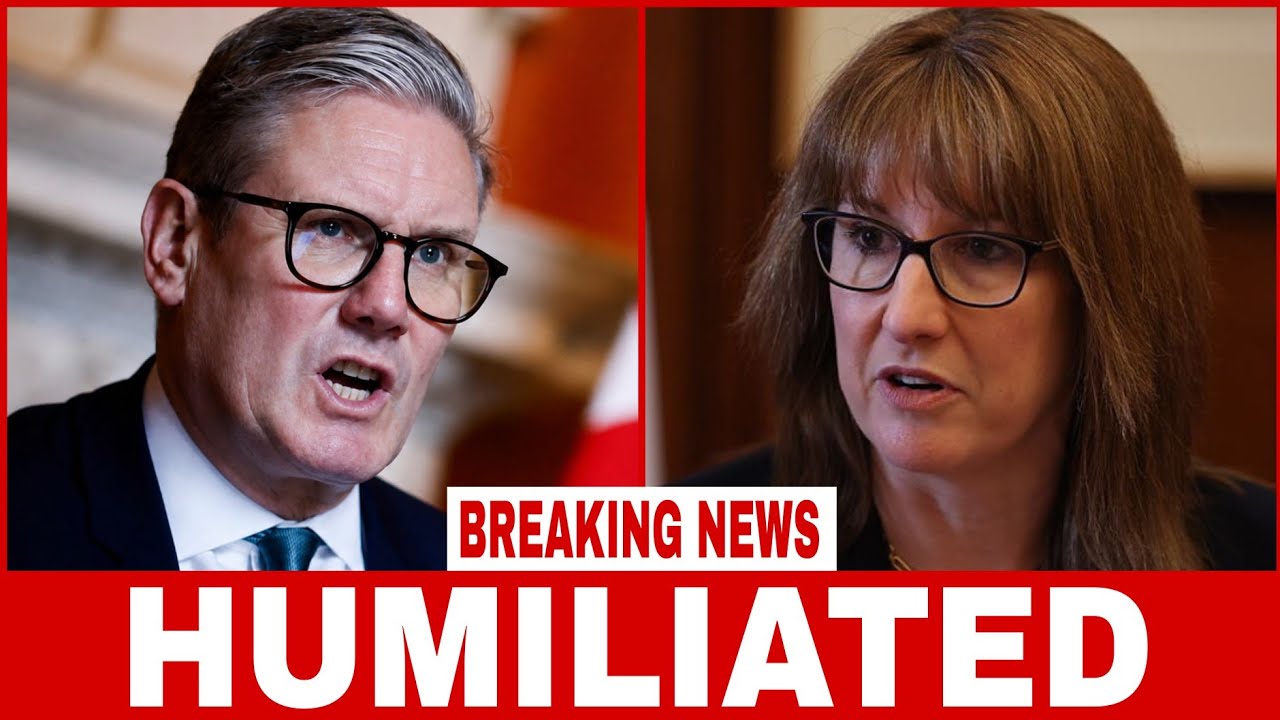
Rachel Reeves found herself under unexpected public scrutiny after a media appearance intended to showcase Labour’s revised position on fuel duty was disrupted by a vocal passerby during filming at a petrol station in Leeds. The incident, which quickly spread across social media platforms, highlighted the increasingly tense political atmosphere surrounding the government’s handling of living costs, inflation, and transport policy.
The Chancellor had arrived at the forecourt to announce an extension of the fuel duty freeze until the end of the year, framing the move as a response to economic uncertainty caused by conflict in the Middle East and ongoing pressures on household budgets. Reeves stressed repeatedly that global instability was continuing to affect fuel and energy prices across the United Kingdom.
Standing beside petrol pumps during the broadcast, Reeves argued that the government’s decision was intended to provide “certainty” for businesses and families. She insisted that Britain had not initiated or entered the overseas conflict currently affecting global markets, but acknowledged that ordinary households were still feeling the economic consequences through higher transport and energy costs.
She also defended the government’s broader economic record, pointing to lower inflation figures and measures introduced in previous budgets. Reeves cited a £150 reduction in household energy bills, a continued freeze on prescription charges, and rail fare protections as evidence that Labour was attempting to ease financial pressure on working families and pensioners.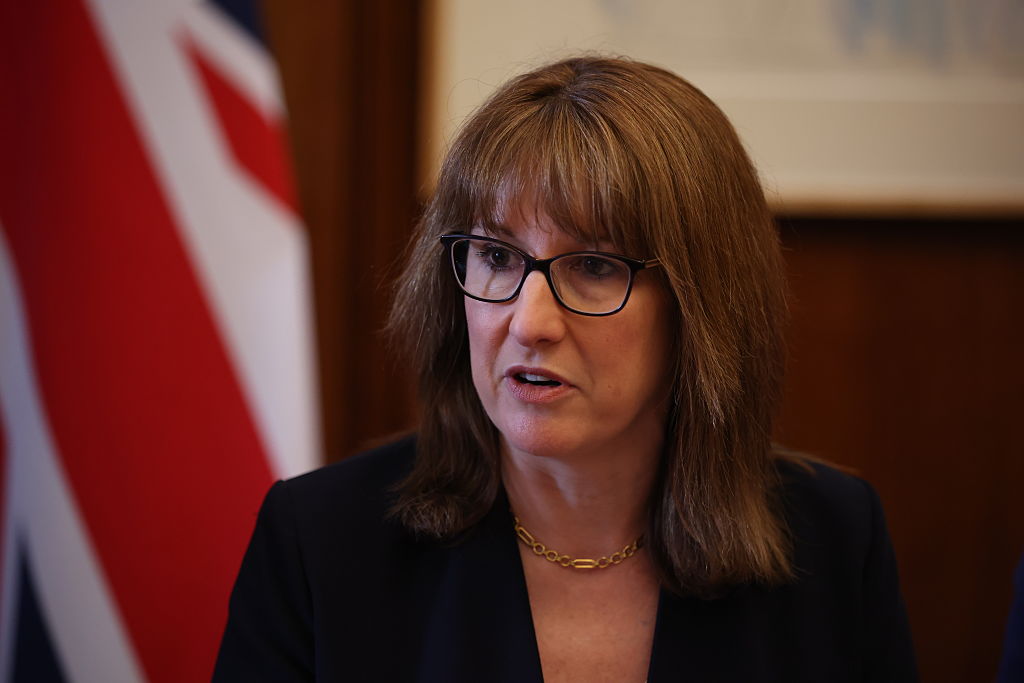
During the interview, Reeves repeatedly linked falling inflation to policies introduced under her leadership at the Treasury. She noted that inflation had reportedly declined to 2.8 percent in April, a figure she claimed exceeded economists’ expectations. According to Reeves, Britain was among the few major economies seeing inflation moderate despite continued geopolitical instability.
As cameras continued rolling, however, the atmosphere shifted when a man driving a truck decorated with St. George’s flags began shouting during the Chancellor’s remarks. The interruption disrupted the carefully managed setting and appeared to visibly frustrate Reeves as journalists attempted to continue the interview.
The exchange itself was brief, but its political symbolism quickly became the dominant talking point online. Video clips circulated widely, with commentators portraying the incident as an example of growing public frustration toward Westminster politicians and highly choreographed political media events.
Although the heckler’s comments were not fully audible throughout the footage, the interruption became a focal point for criticism aimed at Labour’s earlier consideration of a fuel duty increase. Opponents argued that freezing the tax after months of uncertainty did little to erase concerns among motorists already struggling with rising costs.
Reeves attempted to redirect attention back toward government policy, emphasizing additional support measures for industries heavily dependent on fuel, including farming, haulage, and rail transport. She stated that diesel prices had placed particular strain on these sectors and that further assistance was necessary to stabilize operating costs.
In subsequent interviews, the Chancellor also announced that children aged between five and fifteen would be able to travel free on buses across England during the summer holiday period. Reeves described the measure as part of a wider package designed to support families during a difficult economic period.
Critics nevertheless questioned whether the initiative went far enough. Journalists pointed out that bus fare caps had increased under Labour from £2 to £3, despite previous Conservative-era protections. Reeves responded by arguing that the earlier scheme had been due to expire entirely and insisted that the government had acted to preserve and fully fund the programme until at least March 2027.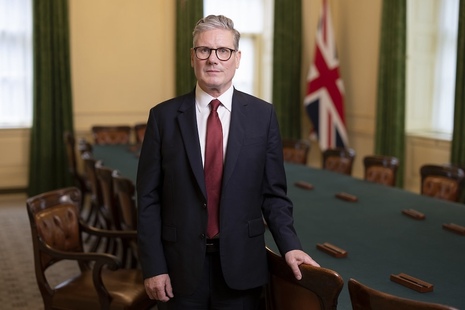
Throughout the exchanges, Reeves repeatedly returned to the message that Labour’s economic approach was centered on easing pressure on households. She maintained that lower inflation, energy support packages, rail fare freezes, and free summer bus travel all formed part of a coordinated strategy to help working people manage the cost-of-living crisis.
The Chancellor also faced questions regarding sanctions policy toward Russia, particularly concerning exemptions linked to diesel and jet fuel. Reeves defended the government’s actions, arguing that Britain had introduced some of the toughest sanctions imposed anywhere in the world while maintaining limited licenses where necessary for practical economic reasons.
She noted that similar approaches had been used previously by Conservative governments and described the continuation of specific licenses as standard administrative practice rather than a weakening of Britain’s position toward Moscow.
Political observers noted that the disruption at the petrol station reflected a wider communications challenge facing Labour. While the government attempted to present policy reversals and targeted relief measures as evidence of responsiveness, critics argued that many voters remained unconvinced after months of warnings about potential tax increases.
The optics of the incident were particularly striking because the confrontation occurred outside Westminster rather than during a formal parliamentary debate or organized protest. The interruption came from an ordinary member of the public in an uncontrolled environment, giving the footage an authenticity that resonated widely online.
Supporters of Reeves argued that isolated public disruptions should not overshadow the substance of government policy, particularly at a time when inflation appears to be easing and economic growth figures have improved. Reeves herself highlighted Britain’s position as the fastest-growing economy in the G7 during the first quarter of the year.
Nevertheless, critics continued to frame the episode as evidence that public trust remains fragile. Many commentators suggested that voters are increasingly skeptical of political messaging campaigns that rely heavily on staged announcements and carefully managed photo opportunities.
For Labour strategists, the challenge now extends beyond the immediate controversy itself. The broader question is whether voters will credit the government for reversing unpopular proposals and introducing targeted support measures, or whether frustration over earlier policy discussions has already shaped public perceptions.
The incident also demonstrated how quickly seemingly routine political appearances can become defining media moments in the modern digital environment. A brief roadside interruption rapidly evolved into a nationwide political talking point within hours of the footage being shared online.
While Reeves sought to present the fuel duty freeze and additional transport support as practical responses to economic uncertainty, the public reaction surrounding the Leeds appearance suggests that debate over Labour’s economic credibility and communication strategy is far from settled.