

Navigating Political Turbulence: Analyzing Demands for Executive Change
The political landscape of the United Kingdom is entering another period of visible turbulence. Public frustration, economic concerns, and increasing political polarization are creating a climate in which leadership is being questioned more aggressively than ever.
Recent remarks from commentator Katie Hopkins have intensified this debate after she publicly called for Prime Minister Keir Starmer to resign immediately. The statement quickly spread across social media and political discussion platforms, fueling wider conversations about public trust in government leadership.
While the rhetoric surrounding these demands has been dramatic, the situation also reflects deeper tensions developing within British politics. Beyond the headlines, the controversy reveals broader concerns about governance, public confidence, and the direction of the country.

Growing Pressure on Downing Street
During a recent public appearance, Hopkins argued that the current administration was losing the confidence of large sections of the electorate. Her comments framed the political situation as one of mounting dissatisfaction and increasing pressure on Downing Street.
The argument presented by critics centers on the belief that the government is struggling to respond effectively to the country’s most urgent challenges. Rising living costs, pressure on public services, and debates over national policy have all contributed to a more volatile political atmosphere.
Supporters of the government, however, maintain that governing during periods of economic uncertainty requires long-term planning rather than short-term political reactions. They argue that major reforms and structural changes cannot produce immediate results overnight.
Even so, the growing volume of criticism demonstrates that public patience may be wearing thin in certain areas of the electorate.
A Familiar Pattern in British Politics
Calls for a Prime Minister’s resignation are not unusual in Westminster politics. British political history contains numerous examples of leaders facing intense campaigns for removal during difficult moments.
From economic crises to party rebellions and unpopular policy decisions, Prime Ministers have frequently encountered periods where public pressure escalated rapidly. Leadership scrutiny has always been part of the political system in the United Kingdom.
The current pressure surrounding Keir Starmer follows this historical pattern. Public dissatisfaction often grows during times of financial strain or political transition, particularly when voters feel uncertain about the future direction of the country.
Understanding this context is important because it demonstrates that political turbulence is not necessarily evidence of institutional collapse. Instead, it reflects the highly competitive and confrontational nature of democratic politics.
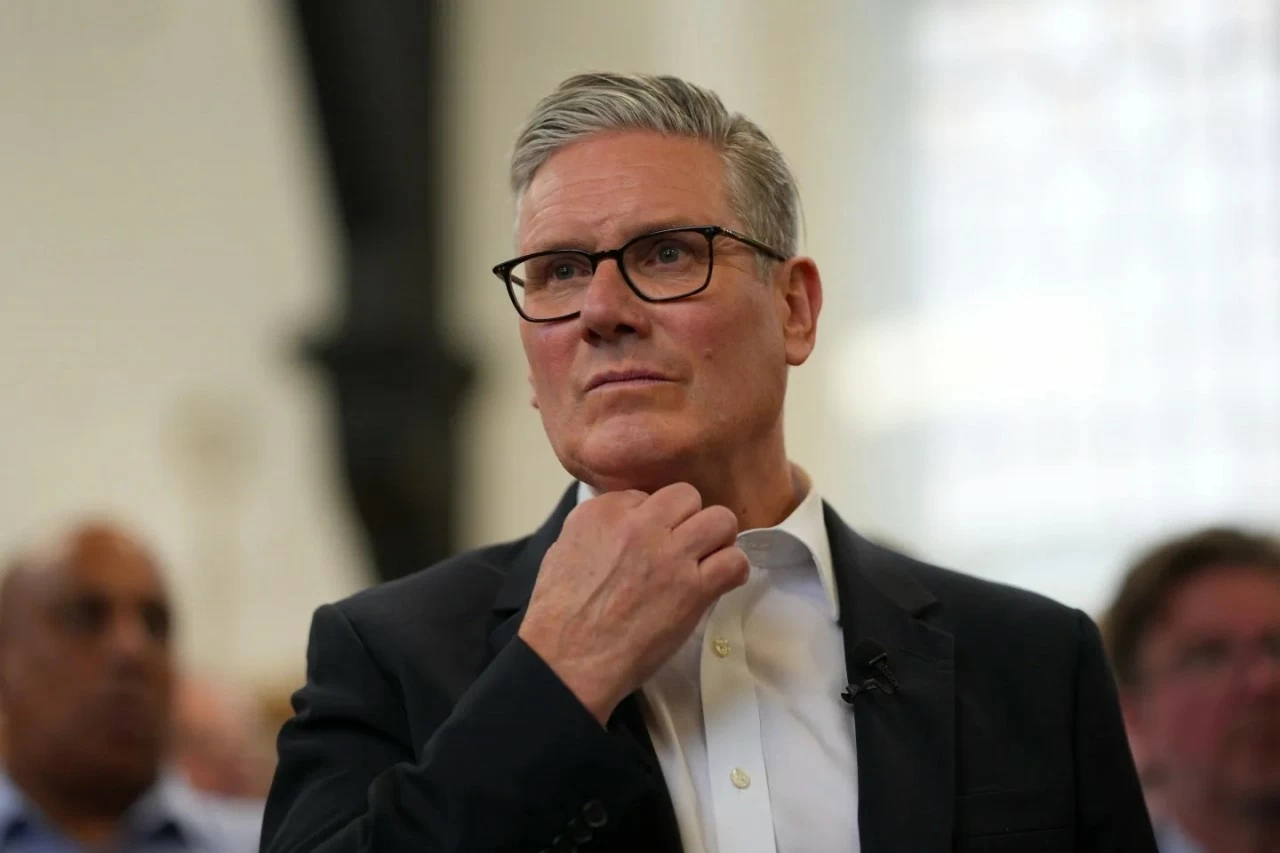
The Power of Public Sentiment
Modern political leadership is increasingly shaped by public sentiment and rapid media reactions. Citizens today can instantly voice frustration through digital platforms, making dissatisfaction far more visible than in previous decades.
Social media has transformed political communication. A single controversial statement can spread nationally within hours, creating pressure that governments must respond to almost immediately.
In this environment, criticism no longer remains confined to television interviews or newspaper editorials. Political debates unfold continuously across online platforms where public anger, frustration, and support are amplified in real time.
This digital acceleration creates new challenges for any administration. Governments must now manage not only policy decisions themselves, but also the speed at which public reactions evolve.
As a result, political narratives can shift extremely quickly, sometimes before officials have an opportunity to fully explain or defend their policies.
Independent Commentators and Political Influence
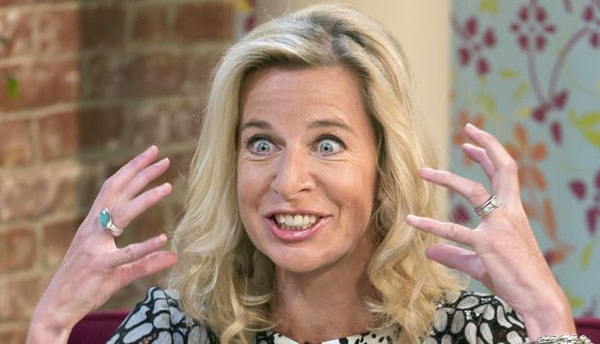
Independent political commentators now play a major role in shaping public discussion. Figures such as Katie Hopkins operate outside traditional parliamentary structures and often communicate in more direct and emotionally charged language.
Although critics argue that such rhetoric can deepen political division, supporters claim these commentators express frustrations that many ordinary citizens already feel.
The influence of independent voices lies less in formal political power and more in their ability to crystallize public dissatisfaction into clear political demands. Calls for resignations or leadership change often become symbolic expressions of wider frustration.
This influence has grown significantly in the digital era, where commentators can reach millions of people without relying on traditional media institutions.
As a result, governments increasingly face pressure not only from political opponents inside Parliament, but also from influential voices operating across online platforms and independent media spaces.
The Challenges Facing the Current Government
The Starmer administration faces a difficult governing environment shaped by economic pressure, international uncertainty, and intense political scrutiny.
Managing inflation, maintaining public services, addressing immigration debates, and responding to international crises all require balancing competing political priorities.
Every major decision now carries heightened political consequences. Critics closely monitor government performance and quickly use perceived weaknesses to question leadership credibility.
For Downing Street, the challenge is not only producing policy results but also maintaining public confidence during periods of uncertainty.
Political authority depends heavily on the perception of competence and stability. Once that perception weakens, opposition movements and public criticism tend to intensify rapidly.
This is why modern governments devote enormous effort to communication strategies alongside policy implementation.
The Importance of Public Trust
Public trust remains one of the most valuable assets for any democratic administration. Without confidence from voters, even ambitious policy agendas become difficult to sustain politically.
Demands for executive change often reflect deeper concerns about whether citizens believe leaders understand their daily struggles and priorities.
When voters feel disconnected from political institutions, frustration can evolve into broader skepticism toward the government itself.
For this reason, political survival depends not only on electoral victories but also on maintaining an ongoing relationship of trust with the electorate.
Governments that fail to respond convincingly to public concerns risk appearing detached or ineffective, regardless of their long-term objectives.
At the same time, opposition figures and commentators often benefit politically when dissatisfaction becomes widespread and emotionally charged.
Evaluating the Path Forward
The debate surrounding calls for Keir Starmer’s resignation ultimately highlights the volatile nature of democratic politics in the modern era.
Political leaders operate under constant scrutiny, and public approval can shift rapidly in response to economic developments, policy controversies, or media narratives.
However, demands for immediate leadership change do not automatically translate into institutional crisis. Democratic systems contain established mechanisms for political accountability and leadership transitions.
The long-term stability of any administration depends primarily on its ability to maintain parliamentary confidence and demonstrate effective governance.
For the current government, the most important challenge will be addressing the root causes of public dissatisfaction rather than reacting solely to daily political controversies.
Ultimately, the future direction of British politics will be determined less by viral commentary and more by whether voters believe the government can deliver meaningful results on the issues that matter most to their lives.
As political pressure continues to build, Downing Street faces a defining test: proving that it can maintain stability, restore confidence, and navigate an increasingly divided political environment.