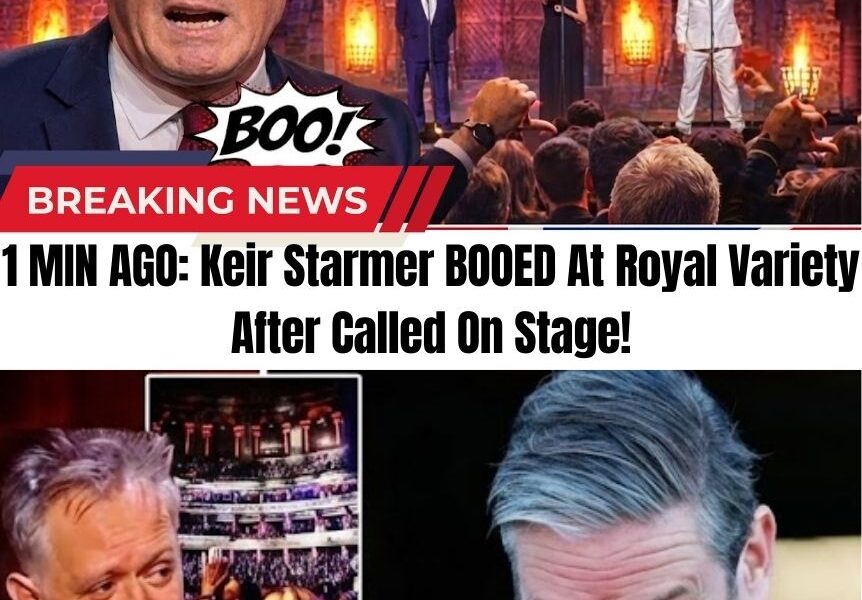


Keir Starmer faced a surprising backlash during the Royal Variety Performance last night, as he was booed by the audience in a satirical skit. This incident, which occurred at the prestigious Royal Albert Hall, raises questions about the current state of public sentiment towards the Prime Minister and his government.
The Royal Variety Performance, a longstanding tradition in British entertainment, was expected to showcase a night of laughter and celebration. However, the atmosphere shifted dramatically when a comedic impersonation of Starmer by Duncan Wisby provoked a chorus of boos from the audience. The skit, which was meant to be light-hearted, revealed deeper frustrations among the public regarding the government’s performance.
As Wisby impersonated Starmer, the audience’s reaction was immediate and palpable. The jeers echoed through the hallowed halls, marking a stark contrast to the usual atmosphere of the event. This moment of discontent highlights the growing disconnect between the government and the citizens it serves, with many feeling let down by unfulfilled promises and rising challenges.

Starmer, who has seen a decline in approval ratings since taking office, was not present during the performance. The boos directed at his impersonator reflect a broader sentiment of dissatisfaction that has been brewing among the public. Economic pressures, including rising energy costs and perceived inaction on pressing issues, have led to a growing sense of betrayal.

The Labour Party has attempted to downplay the incident, with a spokesperson stating that satire is part of the event’s charm. However, critics, including members of the Conservative Party, have seized the opportunity to underscore Starmer’s declining popularity. One anonymous Tory source remarked that if even comedy crowds are turning against him, Starmer is in serious trouble.

The booing incident at the Royal Albert Hall serves as a warning sign for Starmer and his administration. It reflects a crucial moment in British politics, where public sentiment can shift rapidly, and the stakes have never been higher. With a significant portion of the electorate expressing dissatisfaction, the Prime Minister faces mounting pressure to address the issues that matter most to the public.
As the nation watches closely, the question remains: can Starmer regain the trust of the electorate, or will this incident mark the beginning of a more profound political crisis? The booing at the Royal Variety Performance may be just the tip of the iceberg, signaling a need for urgent action and a reevaluation of priorities.