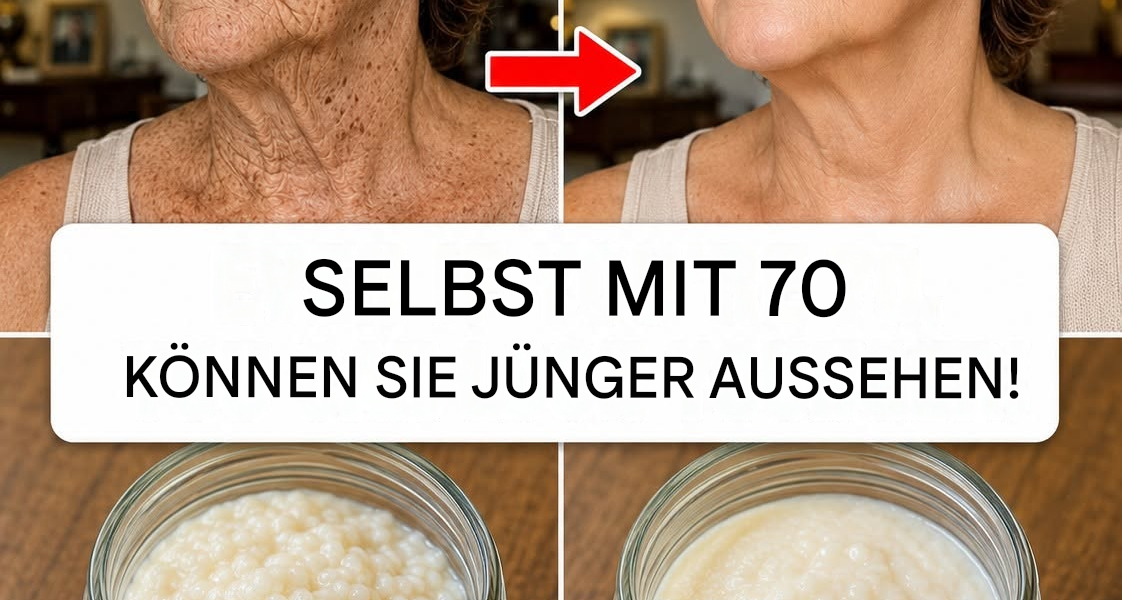
Wie Sie Natron sicher in Ihre abendliche Gesichtspflege integrieren, um Ihre Haut sanft zu erneuern und ihr Gleichgewicht wiederherzustellen.H

Tägliche Belastung durch Umweltverschmutzung, Make-up-Reste und Alltagsstress lässt die Haut abends oft fahl und unrein wirken. So entsteht ein Teufelskreis: Der Teint braucht über Nacht, um sich zu erholen, und am nächsten Morgen enttäuscht man beim Blick in den Spiegel. Viele suchen nach einfachen und günstigen Möglichkeiten, die natürliche abendliche Regeneration der Haut zu unterstützen, ohne aufwendige oder aggressive Pflegeschritte. Natron kann, vorsichtig angewendet und nur gelegentlich verwendet, in die abendliche Gesichtspflege integriert werden. Entscheidend für die Wirksamkeit dieser Methode ist jedoch die genaue Vorbereitung, die Anwendungsmethode und der unverzichtbare nächste Schritt.

 Warum nächtliche Gewohnheiten Einfluss darauf haben, wie die Haut am nächsten Tag aussieht und sich anfühlt
Nach stundenlanger Einwirkung von Umwelteinflüssen und Produktschichten sammelt sich oft ein Schmutz an der Hautoberfläche an, der sie fahl wirken lässt. Eine regelmäßige abendliche Gesichtspflege schafft optimale Bedingungen für die Haut, damit sie sich im Schlaf erholen kann. Natron bietet eine sanfte, mechanische Alternative, die manche in ihre abendliche Pflege integrieren, um die täglichen Rückstände schonend zu entfernen. Ohne die richtige Pflege am Abend bemerken viele, dass ihre Haut am Morgen weniger strahlend aussieht und sich weniger angenehm anfühlt, was das Selbstbewusstsein im Laufe des Tages beeinträchtigen kann.
Tatsächlich arbeitet die Haut im Schlaf hart, um ihre Barriere und ihr Aussehen zu erhalten. Wenn sie sich durch den Alltag erschöpft und gestresst anfühlt, kann selbst eine kleine, gelegentliche Ergänzung wie verdünntes Natron in der abendlichen Gesichtspflege helfen, eine optimale Ausgangsbasis für die nächtliche Regeneration zu schaffen. Deshalb ist es so wichtig, der Haut am Abend besondere Aufmerksamkeit zu schenken, wenn man morgens mit einem strahlenden und gesunden Teint aufwachen möchte.
 Wie Natron als milde Ergänzung der abendlichen Hautpflege wirkt
Natron ist für seine sanften physikalischen Eigenschaften bekannt, die bei richtiger Anwendung helfen, oberflächliche Ablagerungen zu lösen. Da die Haut von Natur aus einen leicht sauren pH-Wert aufweist und Natron alkalisch ist, muss es stets stark verdünnt und sparsam angewendet werden, um das natürliche Gleichgewicht der Haut nicht zu stören. Studien zu sanften Peelings legen nahe, dass gelegentliche, leichte mechanische Einwirkung die Entfernung abgestorbener Hautschüppchen ohne aggressives Schrubben unterstützen kann. Daher eignet sich Natron möglicherweise für die abendliche Gesichtspflege, wenn es eher um eine leichte Erfrischung als um eine intensive Behandlung geht.

Many people experience frustration when their skin feels tight or looks uneven despite regular care. Baking soda, used correctly in an evening routine, provides a simple way to address that surface dullness without introducing multiple new products. The important part is remembering that less is more and that frequency must stay low to keep skin comfortable.
 How to Prepare a Gentle Baking Soda Mixture for Nighttime Use
Creating the right texture is essential for safe use in any nighttime facial routine. Start with just half a teaspoon of baking soda and one tablespoon of warm water or your usual gentle cleanser. Stir until the mixture forms a smooth, fluid paste with no gritty particles left. For extra calming, you can add a few drops of pure aloe vera gel or raw honey. The goal is a thin, spreadable consistency that feels comfortable on skin rather than abrasive.
Always mix a fresh batch each time rather than storing it. This keeps the texture ideal and reduces any risk of contamination. The paste should feel light and easy to apply, never thick or rough, so it supports the skin instead of challenging it during your nighttime facial routine.
 Step-by-Step Guide to Adding Baking Soda Into Your Evening Facial Ritual
Begin your usual gentle cleansing to remove makeup and daily grime. Next, mix the fresh baking soda blend as described. Using clean fingertips, apply a very thin layer only to areas that feel congested or look dull—avoid the eye area and lips completely. Massage in the lightest circular motions for no more than ten to fifteen seconds. This short contact time helps limit any potential for irritation while still offering the mild surface refresh many seek in a nighttime facial routine.
Rinse thoroughly with lukewarm water until every trace is gone. Pat the skin dry gently with a soft towel. The moment the skin is clean, move straight to hydration. This sequence keeps the process simple, effective, and respectful of the skin’s needs after using baking soda in your nighttime facial routine.
 100vw, 800px” data-lazy-src=”https://healthysecret.alodi.net/wp-content/uploads/2026/06/image-1481.jpg” /></figure>
<h2><img decoding=) The Rinsing and Immediate Follow-Up That Protects Skin Comfort
The Rinsing and Immediate Follow-Up That Protects Skin Comfort
After the short application, rinsing well prevents any residue from lingering and potentially affecting skin balance. Lukewarm water works best because hot water can add unnecessary stress. Once rinsing is complete, the skin may feel slightly different for a moment, which is why the next step cannot be skipped.
Apply a hydrating serum, cream, or facial oil right away. Look for ingredients such as hyaluronic acid, ceramides, or glycerin that help reinforce the skin’s moisture barrier. This immediate restoration step is what allows the gentle action of baking soda in your nighttime facial routine to feel supportive rather than drying.
 Comparing Baking Soda With Other Simple Natural Options for Nighttime Care
Different natural additions suit different skin needs and preferences. Here is a clear comparison to help you decide what fits best alongside or instead of baking soda in a nighttime facial routine:
| Option | Feels Like | Best Suited For | Suggested Frequency |
|---|---|---|---|
| Diluted baking soda | Light surface refresh | Normal to balanced skin wanting occasional clean feel | Once every 7–10 days |
| Oatmeal mask | Calming and soft | Sensitive or easily irritated skin | 1–2 times per week |
| Raw honey | Nourishing and slightly sticky | Skin needing extra softness and glow | As desired, 2–3 times weekly |
| Pure aloe vera | Cooling and light | Most skin types needing simple hydration | Can be used more regularly |
This side-by-side view shows that baking soda serves a specific, occasional purpose rather than daily use, which helps protect long-term skin comfort.
 Common Errors That Can Make Baking Soda Less Comfortable in an Evening Routine
Using baking soda too frequently is one of the quickest ways to create tightness or sensitivity the next day. Another frequent mistake is applying it undiluted or with too much pressure, which can leave skin feeling raw instead of refreshed. Skipping the immediate hydration step after rinsing often leads to the very dryness and dullness people hope to avoid. Finally, using baking soda on compromised or very sensitive skin usually creates more problems than it solves in a nighttime facial routine.
 The One Step That Turns Baking Soda From Ordinary to Truly Supportive
The most important part of adding baking soda to any nighttime facial routine is what happens in the sixty seconds after rinsing. Immediate, generous hydration restores the moisture barrier and helps skin return to its comfortable state. Without this step, even a well-diluted mixture can leave skin feeling tight by morning, undoing the gentle refresh you worked to create. When hydration follows right away, baking soda can remain a helpful, occasional tool rather than a source of frustration.
Frequently Asked Questions About Baking Soda in Nighttime Facial Routines
Can I use baking soda every night in my skincare routine?
No. Occasional use, such as once every seven to ten days, is recommended to maintain skin balance. Daily use can disrupt the skin’s natural pH and barrier over time.
Is baking soda suitable for sensitive skin in an evening routine?
People with sensitive, dry, or compromised skin barriers should generally avoid it or test with extreme caution. It is better suited for normal to balanced skin types when heavily diluted and used infrequently.
Was tun, wenn sich meine Haut nach der Anwendung von Natron über Nacht spannt?
Spülen Sie eventuelle Rückstände sofort mit kaltem Wasser ab, tragen Sie eine beruhigende, parfümfreie Feuchtigkeitscreme mit reichhaltigen, die Hautbarriere stärkenden Inhaltsstoffen auf und gönnen Sie Ihrer Haut einige Tage Erholung, bevor Sie Natron erneut anwenden.
Abschließende Gedanken zum Aufbau einer durchdachten abendlichen Gesichtspflegeroutine
Gelegentliches Hinzufügen von Natron zur abendlichen Gesichtspflege ist eine einfache und kostengünstige Möglichkeit, die Haut nach einem langen Tag sanft zu erfrischen. Der Erfolg hängt von der richtigen Verdünnung, einer sehr kurzen Einwirkzeit und – am wichtigsten – einer sofortigen, gründlichen Feuchtigkeitszufuhr im Anschluss ab. Indem Sie die Anwendung minimalistisch gestalten und das natürliche Gleichgewicht Ihrer Haut respektieren, schaffen Sie Raum für eine natürliche Regeneration über Nacht ohne unnötigen Stress.
Dieser Artikel dient ausschließlich Informationszwecken und stellt keine medizinische oder dermatologische Beratung dar. Jede Haut ist einzigartig. Bitte konsultieren Sie einen qualifizierten Dermatologen oder eine andere medizinische Fachkraft, bevor Sie Änderungen an Ihrer Hautpflege vornehmen, insbesondere wenn Sie bereits Hauterkrankungen, -empfindlichkeiten oder -probleme haben. Individuelle Erfahrungen und Ergebnisse können variieren.