KEIR STARMER UNDER FIRE IN WESTMINSTER CLASH: KEMI BADENOCH’S FORENSIC GRILLING OVER WELFARE BILL COSTS EXPOSES DEEP QUESTIONS ABOUT LABOUR’S FISCAL STRATEGY.konkon

KEIR STARMER UNDER FIRE IN WESTMINSTER CLASH: KEMI BADENOCH’S FORENSIC GRILLING OVER WELFARE BILL COSTS EXPOSES DEEP QUESTIONS ABOUT LABOUR’S FISCAL STRATEGY
A High-Pressure Commons Exchange Puts Welfare Reform Under the Microscope
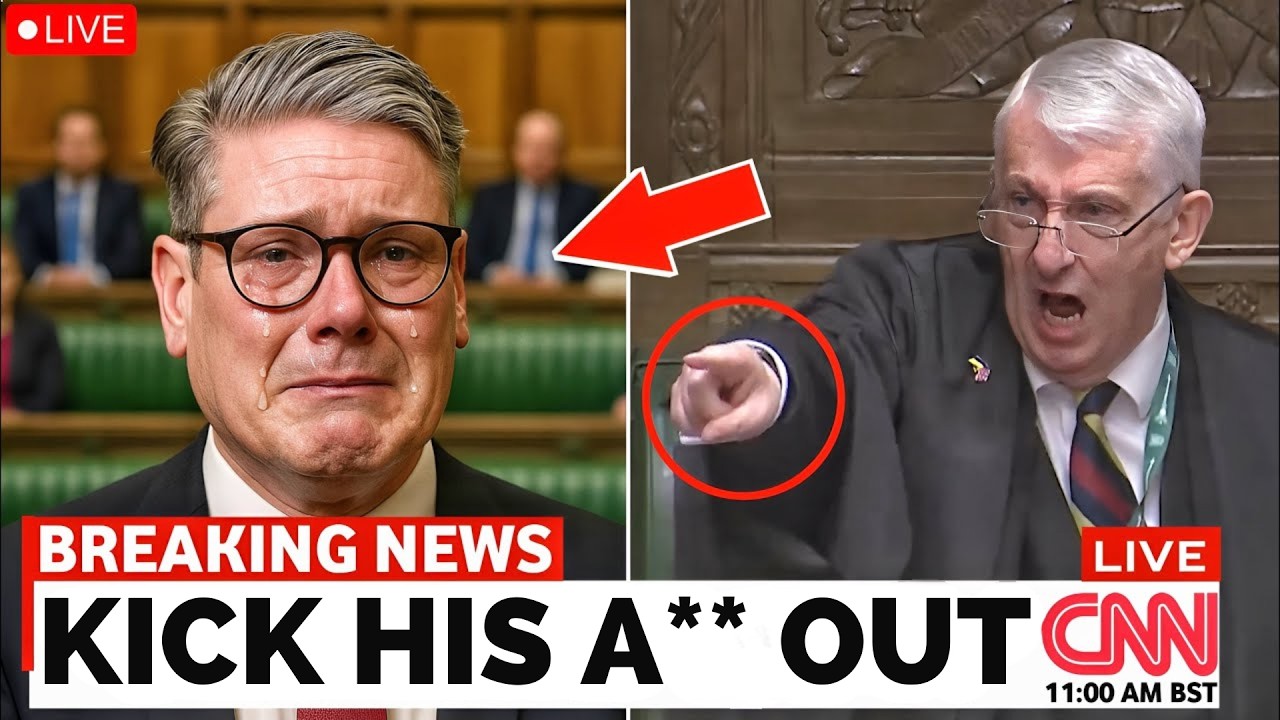
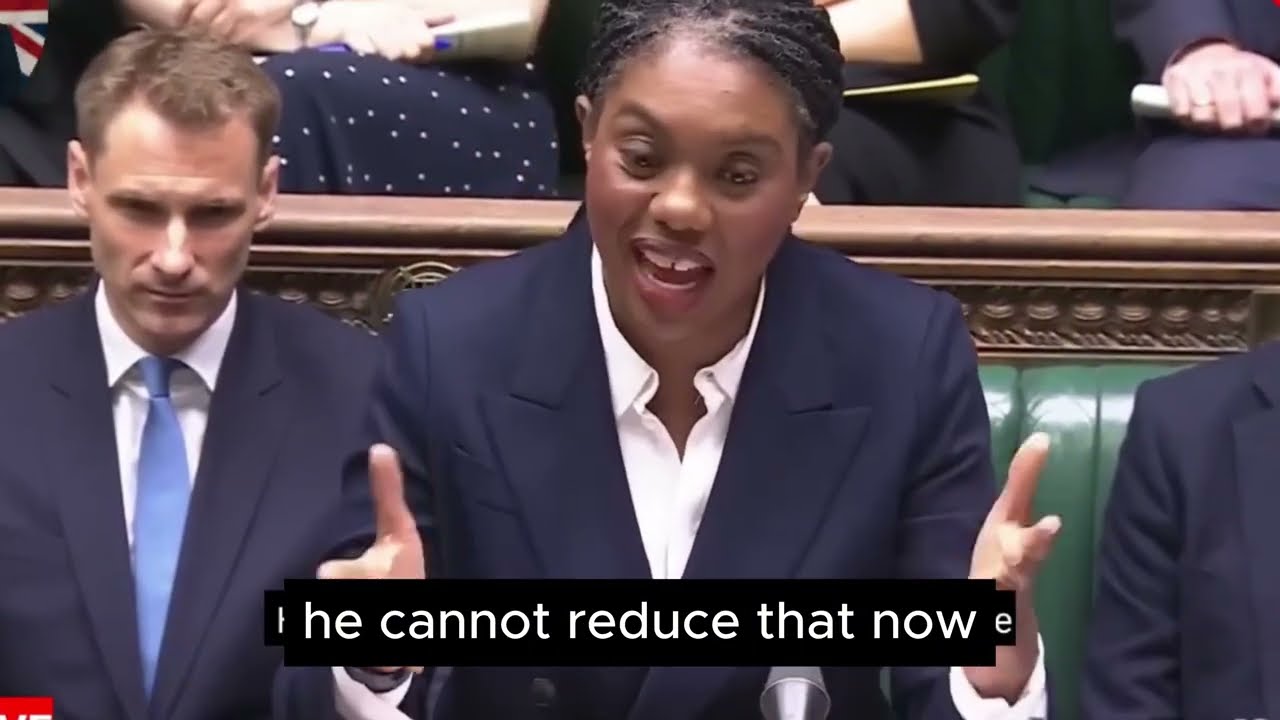
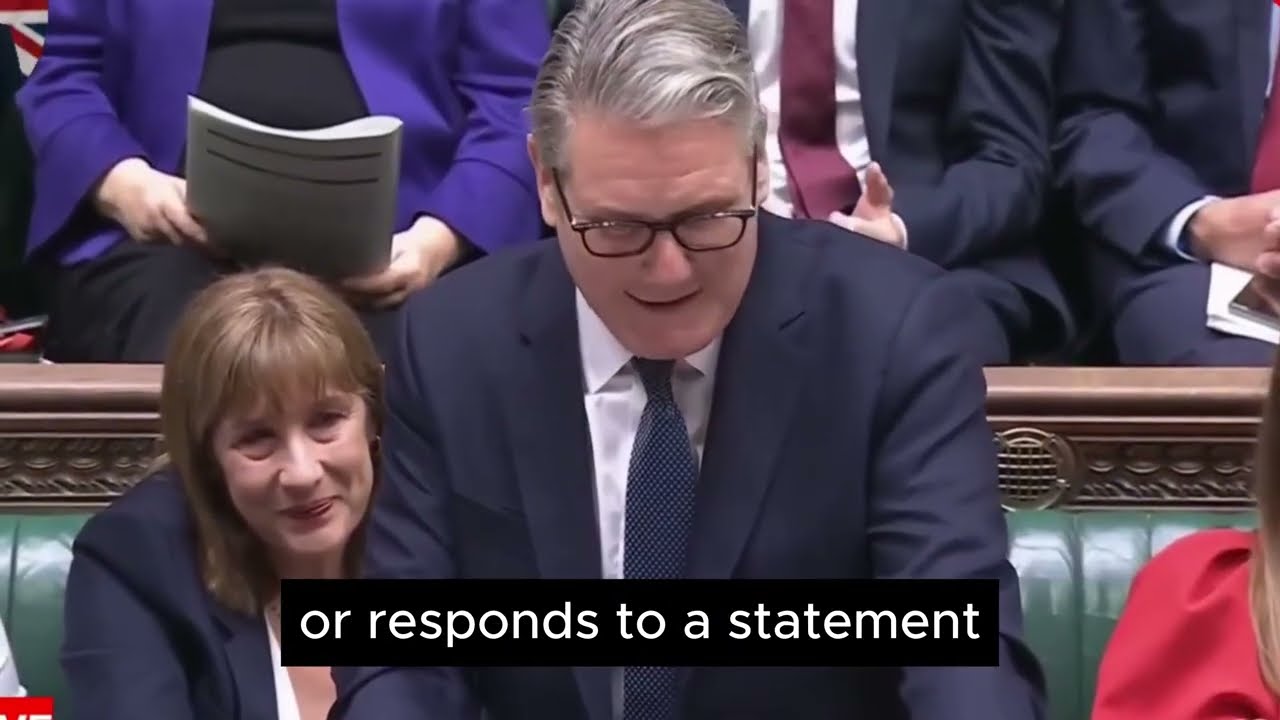
A tense confrontation in the House of Commons has intensified scrutiny on Prime Minister Keir Starmer after a series of pointed questions from Conservative leader Kemi Badenoch forced the government to defend the financial foundations of its welfare reform legislation. The exchange unfolded during a heated parliamentary session in which Badenoch demanded clear figures on how much Labour’s proposed welfare bill would save the public purse — a question that, critics argue, did not receive a direct numerical answer from the Prime Minister.
The moment quickly evolved from a routine policy debate into a broader test of Labour’s economic credibility. Observers in Westminster described the exchange as one of the sharpest parliamentary confrontations of the government’s first year in office, highlighting growing tensions over welfare spending, fiscal discipline, and the political authority of the Prime Minister within his own party.
The Central Question: What Will the Welfare Bill Actually Cost?
At the heart of the clash was a straightforward issue: the financial impact of Labour’s welfare reform package. Badenoch began her intervention with a direct request for clarity — asking the Prime Minister to state precisely how much the proposed legislation would save the Treasury.
Instead of offering a specific figure, Starmer responded by outlining the broader principles behind the reforms. He emphasised the government’s intention to support individuals who cannot work while ensuring that those able to work receive assistance in returning to employment. According to the Prime Minister, the legislation is designed to rebalance the welfare system, modernise support mechanisms, and create pathways back into the labour market.
However, the absence of a clear financial estimate became the focal point of Badenoch’s critique. She argued that a bill originally presented as a measure to reduce welfare costs had already undergone significant changes during parliamentary debate — changes that could potentially alter its financial outcome.
Clause Changes and Parliamentary Rebellion
Documents and parliamentary records show that a key provision of the bill, widely referred to as Clause 5, was removed during debate after a significant number of Labour backbench MPs raised objections. The amendment effectively reshaped part of the reform package, raising questions among fiscal analysts about whether the legislation would still achieve its intended savings.
Badenoch used the development to argue that the government had lost control of its own policy direction. Addressing the chamber directly, she stated that the removal of the clause transformed a bill designed to reduce spending into one that could potentially increase long-term costs.
Sources familiar with the debate say the amendment reflected broader tensions within Labour ranks over how aggressively welfare spending should be reduced. Some MPs reportedly expressed concern that certain proposed changes could disproportionately affect vulnerable claimants, particularly individuals with severe disabilities.
Rising Welfare Costs and the £100 Billion Question
Another major issue raised during the exchange concerned the projected cost of incapacity and sickness benefits. Badenoch cited figures suggesting that spending in this area could approach £100 billion in the coming years, a statistic that has increasingly drawn attention from fiscal watchdogs and economic commentators.
Her argument was that without structural reform capable of reducing long-term dependency on benefits, the financial burden on public finances would continue to grow. She pressed the Prime Minister to explain how the revised legislation would prevent that outcome.
Starmer countered by placing responsibility for the current system’s challenges on previous Conservative administrations. According to the Prime Minister, years of underinvestment and structural problems within welfare administration created the conditions the Labour government is now attempting to address.
The Tax Question and Political Implications
The debate intensified when Badenoch moved beyond welfare policy and asked whether the government could rule out tax increases in the next autumn budget. The Prime Minister responded by noting that future budgets are not written in advance at the dispatch box — a standard parliamentary convention.
While technically correct, the response did little to calm speculation among opposition MPs that increased welfare costs could place pressure on the Treasury to raise revenue through taxation. Analysts say the exchange illustrates the delicate balance Labour must maintain between expanding social support programmes and maintaining fiscal discipline.
A Wider Debate Over Economic Direction
The Prime Minister sought to broaden the discussion by highlighting economic indicators he believes demonstrate progress under the new government. He pointed to rising business confidence, significant foreign investment announcements, and strong early-year growth figures compared with other G7 economies.
In particular, Starmer referenced a major investment commitment from a global technology company and a broader surge in inward investment during Labour’s first year in office. Supporters argue these developments reflect growing international confidence in the UK economy.
Yet critics maintain that the central question raised during the Commons exchange remains unresolved: whether Labour’s welfare reforms are financially sustainable in the long term.
A Defining Moment in Parliamentary Debate
Political analysts note that parliamentary confrontations of this nature often shape public perception of leadership competence and policy coherence. The Starmer-Badenoch exchange illustrates how welfare reform — traditionally one of the most complex areas of government policy — can quickly become a defining political issue when fiscal accountability and party unity come into question.
For now, the government maintains that its reforms will deliver both social protection and economic efficiency. But as debate over welfare spending continues, the scrutiny applied during this Westminster clash suggests that the issue will remain at the centre of British political discussion in the months ahead.







Related Posts

🚨 BREAKING NEWS: Donald Trump draws attention after a series of posts reacting to rising political discussions around James Talarico in Texas……bcc
🚨 BREAKING NEWS: Donald Trump Draws Attention After Series of Posts on Rising Political Buzz Around James Talarico A new political flashpoint has emerged in Texas as…
FATIMA PAYMAN’S $15M DEFAMATION SUIT AGAINST ANGUS TAYLOR COLLAPSES IN COURT: ONE WHISTLEBLOWER’S 9-SECOND BOMBSHELL TESTIMONY DESTROYS HER REPUTATION – “SHE SIGNED EVERY SHADY CLAIM”!….bcc
BREAKING: Fatima Payman’s $15M Defamation Suit Against Angus Taylor Collapses in Court Amid Dramatic Testimony A high-stakes legal battle that had captured national attention has taken a…
Bob Katter launched a fierce attack in Parliament against Fatima Payman over her controversial remarks related ….bcc
BREAKING: Bob Katter Launches Fierce Parliamentary Attack on Fatima Payman Over Controversial Remarks A dramatic and highly charged exchange has erupted inside Australia’s Parliament after veteran lawmaker…

🚨 “SHE MUST REPAY EVERY CENT OF THAT $75 MILLION!” — Pauline Hanson has demanded that Fatima Payman return $75 million, alleging it came from insider trading and corrupt “family investments.”…..bcc
🚨 BREAKING: Pauline Hanson Demands Financial Accountability From Fatima Payman Amid Explosive Allegations A fierce political controversy has erupted in Australia after Pauline Hanson publicly called on…
NORTHERN IRELAND EXPLODES – MIGRANT CRISIS TURNS STREETS INTO WARZONE! 🔥…..bcc
BREAKING: Tensions Surge in Northern Ireland as Migration Debate Sparks Street Unrest A wave of unrest has shaken parts of Northern Ireland, as protests linked to the…
Katie Hopkins has done it again! Her latest comments on immigration have sent sh*ckwaves through Parliament, igniting a firestorm of anger…..bcc
BREAKING: Katie Hopkins Sparks Uproar as Immigration Comments Send Shockwaves Through Parliament A fresh political storm has erupted across the United Kingdom after Katie Hopkins once again…