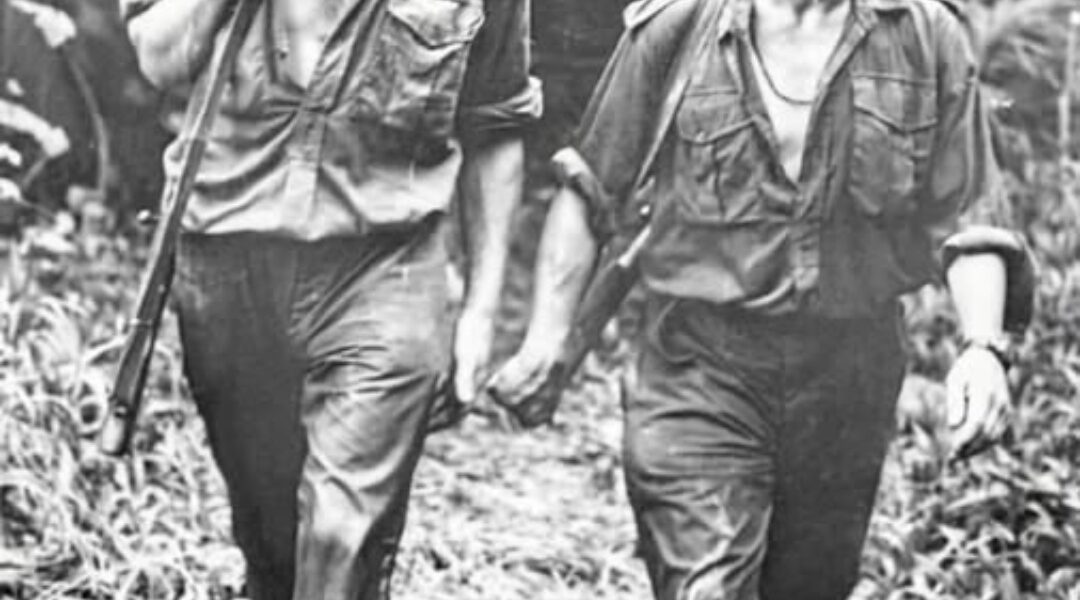


The 2/2nd Cavalry (Commando) Squadron of the Australian Army holds a distinguished place in the annals of World War II, demonstrating courage, resilience, and skill in some of the most challenging environments faced by Allied forces. Their operations in the rugged terrain of New Guinea, particularly in the Ramu Valley, exemplify the ingenuity and steadfastness that defined Australia’s special operations units during the Pacific campaign.
The men of the 2/2nd Cavalry (Commando) Squadron were tasked with reconnaissance, intelligence gathering, and direct-action missions behind Japanese lines. Operating in small patrols, often isolated for days, the commandos faced not only the enemy but the unforgiving landscape, tropical diseases, and harsh weather conditions. Their training, discipline, and resourcefulness were put to the ultimate test as they conducted operations that required stealth, endurance, and decisive action.

A striking example of their bravery comes from a 12-day patrol in the Ramu Valley, as documented in the Australian War Memorial Collection. Two commandos, returning from this patrol, had been ambushed a few days prior, yet continued to push forward, completing their mission despite the injuries, exhaustion, and constant threat of enemy engagement. This resilience reflects the unwavering dedication of the 2/2nd Cavalry (Commando) Squadron to their mission and to one another.
The Ramu Valley itself posed extreme challenges. Dense jungle, steep ridges, and fast-flowing rivers created a terrain as formidable as the enemy. Japanese forces were entrenched, skilled in ambush tactics, and familiar with the environment, which made the commandos’ missions all the more dangerous. Yet, through meticulous planning and courage under fire, the squadron gathered vital intelligence, disrupted enemy operations, and provided critical support to the broader Allied campaigns in New Guinea.

The 2/2nd Cavalry (Commando) Squadron’s operations were emblematic of the vital role that Australian commandos played throughout the Pacific Theater. These men often operated independently or in pairs, relying on their initiative and training to survive and succeed. Their contribution extended beyond combat: their intelligence reports, mapping of enemy positions, and reconnaissance of difficult terrain provided invaluable information that guided larger troop movements and strategic decisions.
Despite facing adversity at every turn, the camaraderie and trust among the commandos ensured that each member’s safety and effectiveness were prioritized. Their success was not only measured by the completion of objectives but also by their ability to adapt and survive in extreme conditions while maintaining the highest standards of military skill and professionalism.
After the war, the legacy of the 2/2nd Cavalry (Commando) Squadron continued to inspire future generations of Australian special forces. Their exploits in New Guinea became a benchmark for bravery, tactical ingenuity, and endurance in the face of overwhelming odds. The stories of their patrols, ambushes, and survival in the Ramu Valley remain a testament to the courage and sacrifices of these extraordinary soldiers.
Honouring the 2/2nd Cavalry (Commando) Squadron is not merely an acknowledgment of their wartime service—it is a celebration of the human spirit under duress, the power of discipline, and the extraordinary acts of ordinary men who rose to meet the most extraordinary challenges. As we reflect on their heroism, we are reminded of the countless sacrifices made by commandos in the jungles of New Guinea, and the enduring impact of their actions on the success of Allied operations in the Pacific.