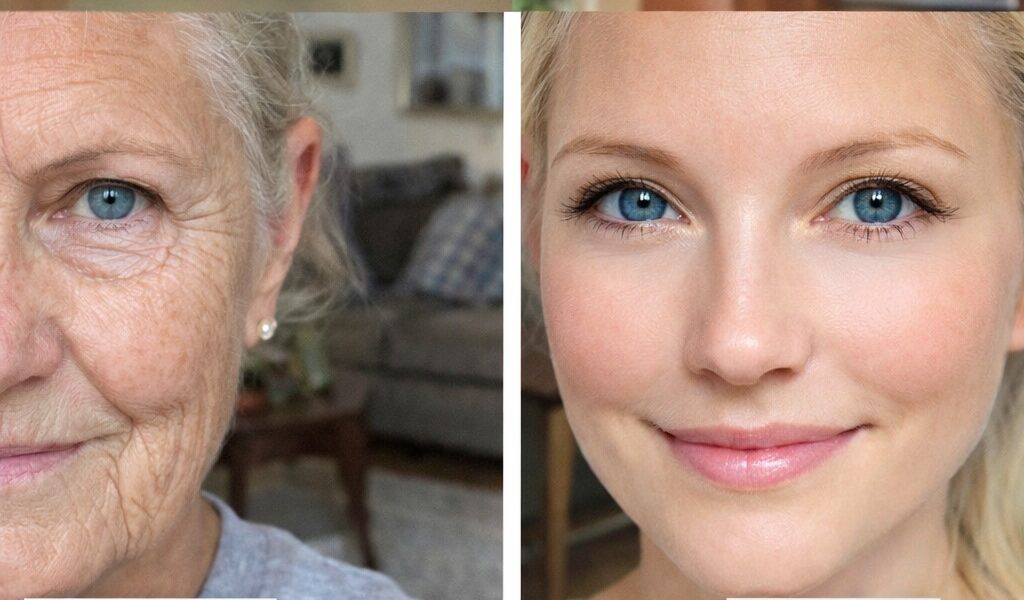
Is Baking Soda a Helpful Addition to Your Natural Skincare Routine? Exploring Gentle Home Exfoliation Ideas . hyn

Many people notice fine lines and changes in skin texture as years go by, and it can feel frustrating when skin doesn’t look as smooth or radiant as it once did. Daily sun exposure, natural aging, and lifestyle factors contribute to these visible shifts, leaving some searching for simple, at-home options to support a fresher appearance. Baking soda, a common kitchen staple, often pops up in online discussions as a possible gentle exfoliant for smoother-looking skin. But what does the reality look like, and how can you approach it thoughtfully?
In this guide, we’ll explore baking soda’s role in basic skincare, share safe ways to try it at home, and highlight better-supported habits for maintaining healthy, glowing skin over time. Stick around until the end for practical tips that go beyond trends.

Why Exfoliation Matters for Skin Texture and Appearance
Exfoliation helps remove dead skin cells that can build up on the surface, potentially making skin look dull or uneven. Research shows regular gentle exfoliation supports a brighter, more even tone by encouraging natural cell turnover. However, overdoing it or using harsh methods can disrupt the skin’s natural barrier, leading to dryness or irritation.
Baking soda acts as a mild physical exfoliant due to its slightly abrasive texture. Some people mix it into pastes or creams for a quick scrub, hoping it smooths texture. While it may provide temporary softness, dermatologists often caution that its high pH (around 9) differs from skin’s natural acidic range (4.5–5.5). This mismatch can sometimes affect the protective barrier if used frequently.
What Science Says About Baking Soda on Skin
Studies on baking soda for skin are limited, but some evidence suggests it can offer mild benefits in specific contexts, like soothing itchiness in baths or providing gentle cleansing. For example, certain reviews note its use in dermatology for conditions involving irritation, though mostly under professional guidance.
However, experts from sources like Healthline and dermatology professionals emphasize there’s scant strong evidence for anti-aging claims. Baking soda isn’t proven to significantly impact deep lines or long-term firmness. In fact, repeated use might lead to irritation for sensitive skin types. Always patch test first and listen to your skin.
But that’s not the whole story. Many find value in natural ingredients when combined thoughtfully, and baking soda pairs well with moisturizing elements in DIY mixes.

Simple Ways to Incorporate Baking Soda into Your Routine
If you’re curious about trying baking soda safely, focus on occasional, diluted use rather than daily application. Here are some gentle ideas:
- Basic Exfoliating Paste Mix 1 teaspoon of baking soda with enough water or a gentle carrier like honey to form a soft paste. Apply to damp skin in circular motions for 30–60 seconds, then rinse thoroughly. Follow with a moisturizer.
- Soothing Bath Additive Add 1/4 to 1/2 cup of baking soda to warm bathwater. Soak for 15–20 minutes to help soften rough areas and promote relaxation.
- Combined with Moisturizers Some homemade blends include baking soda with coconut oil or honey for added hydration. A common viral mix uses small amounts of each, but keep portions minimal to avoid overpowering the skin.
Important Safety Tips (Bullet List):
- Always do a patch test on your inner arm 24 hours before facial use.
- Limit to 1–2 times per week at most.
- Avoid if you have sensitive, broken, or irritated skin.
- Never use near eyes or on open wounds.
- Stop immediately if redness, stinging, or dryness occurs.
Better-Supported Habits for Healthier-Looking Skin
While home experiments can be fun, consistent habits often yield more noticeable results over time. Studies highlight these evidence-based approaches:
- Daily Sunscreen Use — Broad-spectrum SPF 30+ protects against UV damage, a major contributor to visible aging.
- Hydration Inside and Out — Drink plenty of water and use moisturizers with hyaluronic acid or ceramides to support the skin barrier.
- Gentle Cleansing and Exfoliation — Opt for chemical exfoliants like lactic acid or enzyme-based options that are kinder to skin pH.
- Nutrient-Rich Diet — Foods high in antioxidants (berries, greens, nuts) help combat oxidative stress.
- Adequate Sleep — Skin repairs itself during rest, improving texture and glow.

Here’s a quick comparison table:
| Approach | Potential Benefit | Frequency Recommendation | Notes from Experts |
|---|---|---|---|
| Baking Soda Paste | Mild surface smoothing | Occasional (1–2x/week) | May irritate if overused |
| Chemical Exfoliants | Deeper cell turnover | 2–3x/week | pH-balanced, evidence-backed |
| Sunscreen Daily | Prevents new lines | Every day | Gold standard for aging skin |
| Moisturizing Routine | Plumps and protects | Morning & night | Essential for barrier health |
Common Questions About Baking Soda in Skincare (FAQ)
Can baking soda replace professional skincare products? No, it’s best as an occasional add-on rather than a full routine. Proven ingredients like retinoids or peptides offer more targeted support for texture concerns.
Is it safe for all skin types? Not necessarily. Dry or sensitive skin may react poorly due to its alkaline nature. Oily skin might tolerate it better short-term, but always test first.
How long until I see changes in skin texture? Any immediate softness is usually from exfoliation, not long-term transformation. Sustainable improvements come from consistent, gentle care over months.
This homemade approach can be part of exploring natural options, but it’s wise to prioritize skin health above quick fixes.
Disclaimer: The information in this article is for educational purposes only and not intended as medical advice. Consult a dermatologist or healthcare professional before trying new skincare ingredients, especially if you have skin conditions or sensitivities.