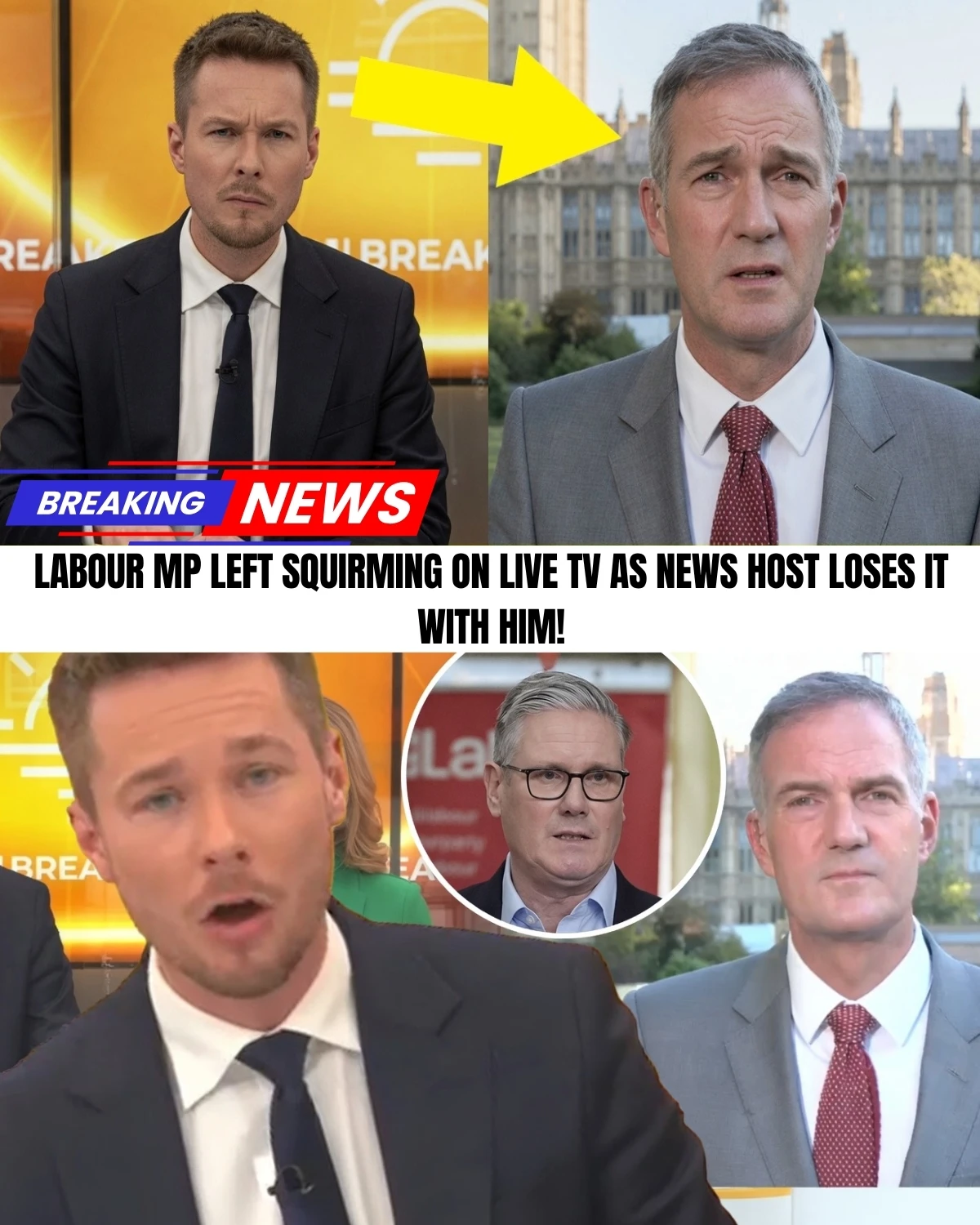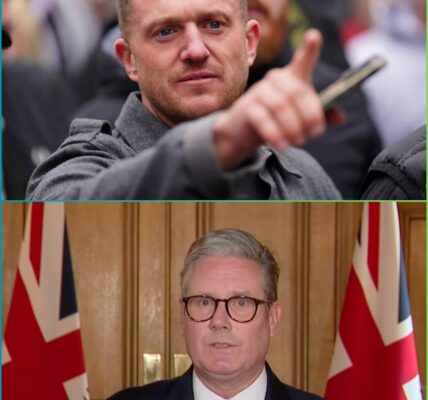
A night of total chaos in Westminster! 💣 Prime Minister Keir Starmer has just dodged a massive bullet in the House of Commons, but the price of his “victory” is sending shockwaves through the UK!

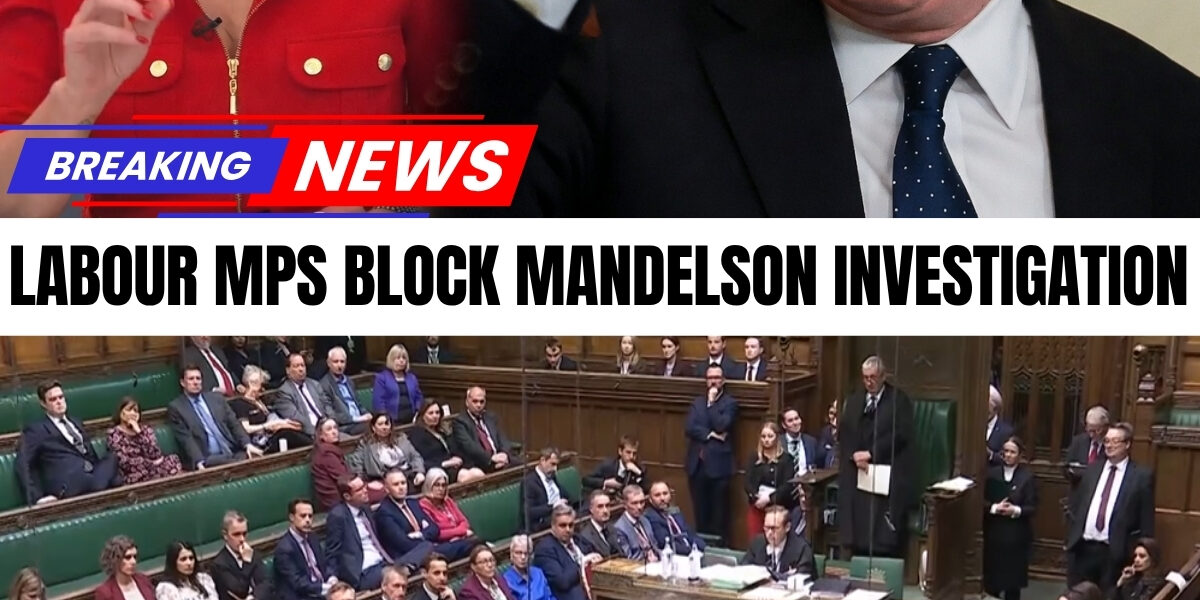
Earlier this evening in Westminster, British Prime Minister Keir Starmer survived a decisive vote in the House of Commons, successfully blocking an opposition attempt to refer him to the Privileges Committee for an investigation into allegations of misleading Parliament regarding the Peter Mandelson appointment scandal.
Vote Results and “Three-Line Whip” Pressure
According to the official results, the government side secured a victory with 335 votes to 223, granting the Labour Party a majority of 112.
However, political analysts view this as a “bruising” victory that exposes internal frailties. To achieve this result, Labour leadership had to enforce a “Three-line whip”—the strictest form of party discipline—forcing MPs to vote along party lines to protect the Prime Minister or risk expulsion from the party or dismissal from their posts.
In reality, the 112-vote majority is significantly lower than Labour’s nominal majority of approximately 140, suggesting an internal “rebellion” or tactical absence by about 30 to 40 MPs. Previously, prominent left-wing Labour MPs, such as John McDonnell and Andy McDonald, had publicly called on the Prime Minister to “face the investigation rather than run” to prove his integrity.
Intense Debate and the Prime Minister’s Absence
The Conservative Party and other opposition groups fiercely criticized Prime Minister Starmer’s absence throughout the four-hour debate in the Commons. In response, Justice Minister Jake Richards, representing Labour, explained that the Prime Minister was occupied chairing a critical security meeting with senior military leaders regarding the situation in the Middle East and the conflict in Iran.
Richards dismissed the Conservative motion as “silly political games” ahead of the upcoming local elections, asserting that the government must remain focused on urgent issues like the cost of living and national security.
The Ministry of Justice representative also rejected comparisons between Starmer’s case and that of former Prime Minister Boris Johnson (who was referred to the Privileges Committee), emphasizing that Johnson was investigated for a clear legal breach (the “Partygate” scandal), whereas Starmer had already acknowledged and apologized for a “procedural error” in the Mandelson appointment.
New Revelations from the Former Chief of Staff
Despite escaping the Privileges Committee investigation, Downing Street remains under the scrutiny of two other independent committees. Most notably today, former Chief of Staff Morgan McSweeney admitted to using the “disappearing messages” feature on WhatsApp. This revelation could complicate a comprehensive investigation into whether there was “sustained pressure” from Downing Street regarding the security vetting process.
Public and media consensus suggests that while Starmer has successfully defended his position in the short term, his personal credibility and the unity of the Labour Party have been significantly damaged. The results of next week’s local elections will serve as the clearest indicator of how voters judge this ongoing scandal.