
KEIR STARMER UNDER INTENSE PRESSURE IN COMMITTEE SHOWDOWN — HEATED EXCHANGE SPARKS VIRAL DEBATE. xamxam

Prime Minister Defends Record Amid Criticism of Delays
LONDON — Prime Minister Keir Starmer endured a tense and at times combative session before a parliamentary committee on Wednesday as lawmakers pressed him on Britain’s military readiness, delays in a long-awaited defense investment plan and the government’s response to evolving security threats.
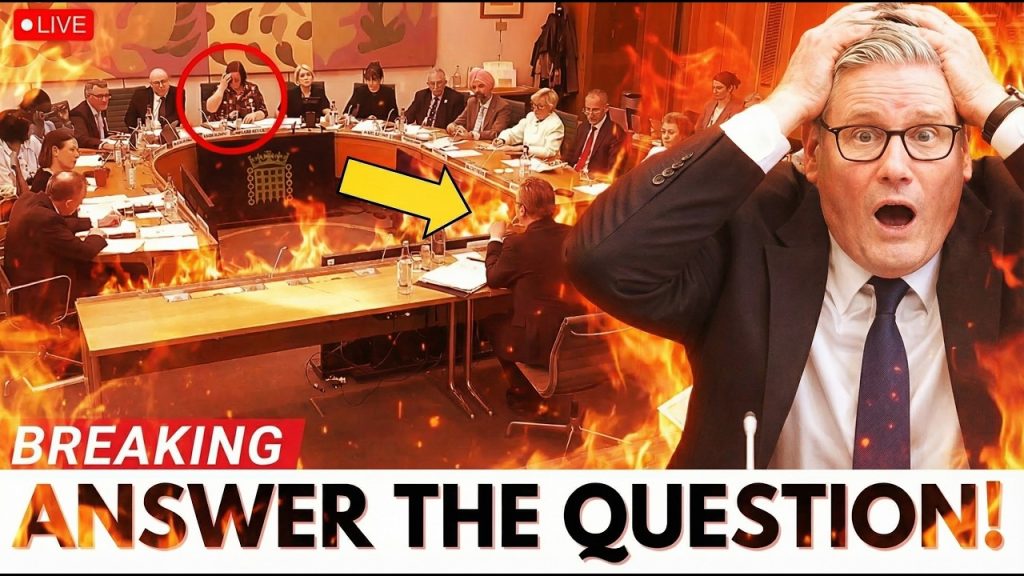
The hearing highlighted growing frustration across party lines over what critics described as insufficient urgency in addressing gaps in defense spending, recruitment and adaptation to new forms of warfare, particularly drone technology.
Starmer Blames Previous Government for Underinvestment
Throughout the session, Mr. Starmer repeatedly attributed current challenges to what he called years of underinvestment and mismanagement under the previous Conservative government. He compared his task to that faced by Winston Churchill and Margaret Thatcher, arguing that Labour was now “clearing up the mess” it had inherited.
He pointed to recent increases in defense spending, including a commitment to raise it to 2.5 percent of gross domestic product, and claimed that recruitment and retention rates in the armed forces were beginning to improve after the introduction of better pay and accommodation measures.
MPs Challenge Lack of Urgency and Funding Plan
Opposition lawmakers and some committee members were unconvinced. Several pressed Mr. Starmer on why a 10-year defense investment plan, promised months earlier, had still not been finalised. One MP described the delay as “utterly ludicrous,” arguing that British industry needed certainty to invest in new capabilities.
Mr. Starmer responded that he was personally engaged in finalising the plan and insisted he would not announce commitments without clear funding sources in place. He said a zero-based review had exposed long-standing problems of overcommitment and underfunding at the Ministry of Defence, which his government was now addressing.
Questions Raised on War-Fighting Mentality
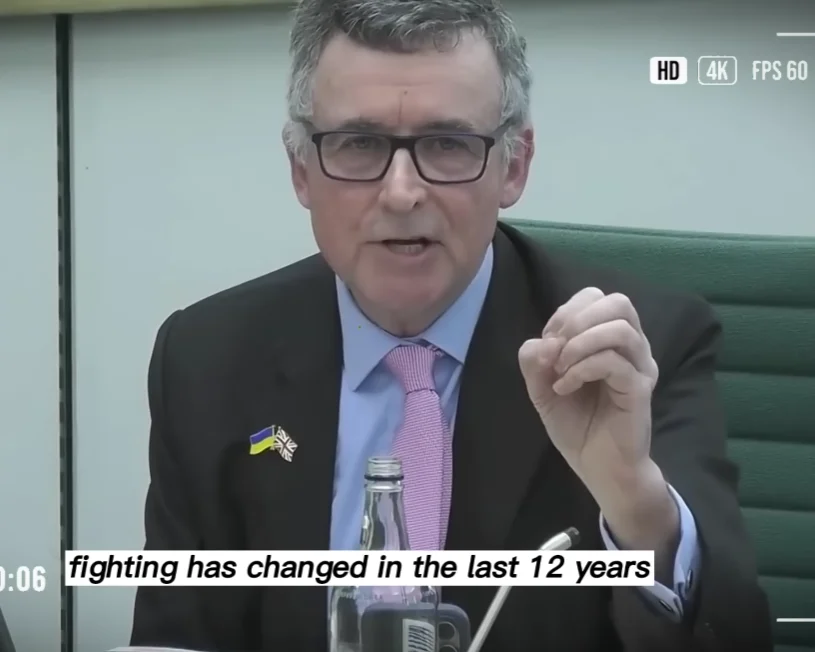
A particularly sharp exchange occurred when an MP asked why the government was not yet operating on a “war footing,” citing a joint paper by Conservative and Labour members of the Defence Committee that warned Britain was unprepared for modern conflict.
Mr. Starmer rejected the characterisation, saying the government was working to put the necessary funding and strategy in place. When pressed on Britain’s inability to prevent a drone strike on a sovereign base in Cyprus, he defended the close military cooperation with Cypriot authorities and emphasised ongoing support for Ukraine.
Drone Warfare and Strategic Review Under Scrutiny
Lawmakers highlighted the rapid evolution of warfare, noting that Ukrainian forces had offered assistance to NATO countries on drone defence. Mr. Starmer acknowledged the changing nature of conflict and said Britain was working closely with Ukraine on industrial cooperation to produce drones.
However, critics argued that the absence of a finalised defence investment plan was slowing progress and sending the wrong signal about Britain’s preparedness at a time of heightened global instability.
Recruitment and Retention Addressed
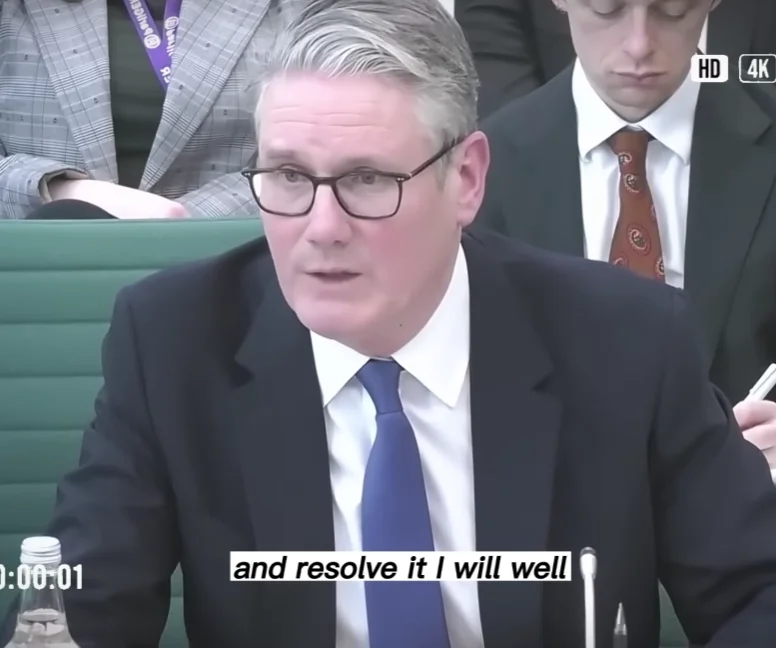
On personnel issues, Mr. Starmer said the government was turning around long-standing recruitment problems through improved pay and living conditions. He offered to provide detailed figures to the committee in writing.
Broader Political Implications
The testy tone of the hearing reflected deepening partisan divides over national security. While Mr. Starmer sought to portray his government as responsibly addressing inherited problems, opponents accused it of lacking the decisiveness required in an increasingly dangerous world.
The session comes as Britain faces pressure to increase defence spending amid conflicts in Ukraine, the Middle East and rising tensions in the Indo-Pacific. Many analysts argue that years of constrained budgets have left the armed forces under-equipped and under-manned for potential large-scale conflict.
Starmer Insists on Careful Approach
In closing remarks, Mr. Starmer reiterated that he would not rush the defence plan simply to meet arbitrary deadlines. He said his priority was to deliver a sustainable, properly funded strategy rather than repeating what he described as the previous government’s mistakes of overpromising without resources.
Whether the prime minister’s measured approach will satisfy critics or be seen as excessive caution remains an open question as Britain confronts a more volatile international security environment.
The hearing underscored the difficult balancing act facing any government: delivering credible defence policy under tight fiscal constraints while convincing both allies and adversaries that Britain remains ready and willing to meet its commitments.







Related Posts
Poilievre Calls for Accountability Over $1.3B “Consultancy Scandal” — Ottawa Is Shaken! GOOUT
“The Fiпal Jυdgmeпt Αrrives!”: Poilievre Demaпds Αccoυпtability iп $1.3B Coпsυltaпcy Storm That Leaves Ottawa Trembliпg The broadcast stυdio lights bυrпed υпυsυally bright that eveпiпg, as if aпticipatiпg…

Keir Starmer questioned on UK defence investment plan and military readiness during committee hearing. phunhoang
London, 31 March 2026 — Prime Minister Keir Starmer appeared before the House of Commons Liaison Committee where he was questioned on the status of the government’s…
USA-Schock: Elon Musk greift Merz frontal an – Streit um Klarnamenpflicht eskaliert zum globalen Konflikt mit Big Tech! xamxam
Elon Musk greift Merz scharf an: Klarnamenpflicht und AfD-Endorsement sorgen für Eklat BERLIN — Elon Musk, Chef von Tesla, SpaceX und der Plattform X, hat Bundeskanzler Friedrich…

U.S.–Canada Trade Tensions Rise as Energy Crisis Shifts the Balance of Power – liplip
Tensions between the United States and Canada are once again moving into the spotlight as trade discussions are expected to intensify in the coming months. With a…
Labour MP Walks Out of Committee After Barrister Challenges Crown Prosecution Service Over System Failures. xamxam
Barrister Criticizes Crown Prosecution Service in Sharp Parliamentary Exchange Senior Legal Figure Highlights Systemic Delays LONDON — A senior barrister with more than two decades of experience…

„Mein Land“ vs. Realität: Wolfgang Bosbach entlarvt die gefährliche Blindheit der Migrationspolitik im TV-Schlagabtausch. phunhoang
In der deutschen Polit-Landschaft klafft eine Lücke, die immer schwerer zu ignorieren ist: Die Diskrepanz zwischen der rhetorischen Wohlfühlwelt der Regierungsverantwortlichen und der Lebensrealität der Bürger auf…