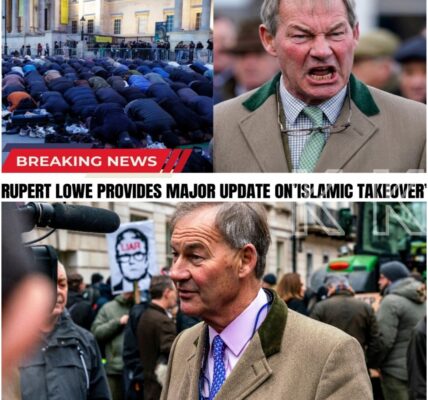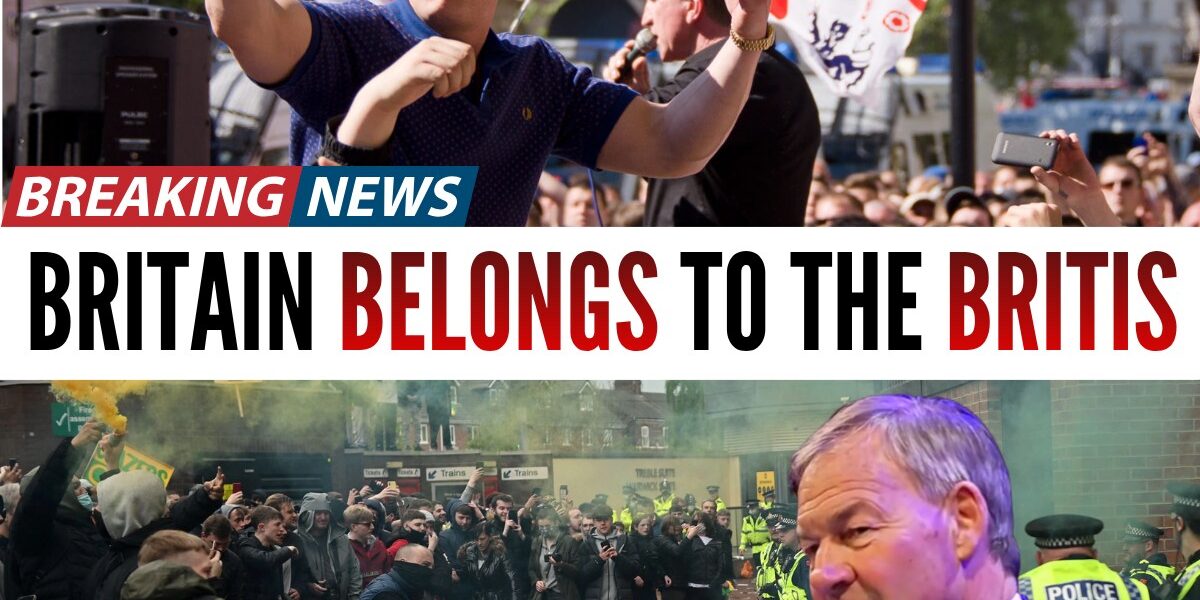

A major demonstration in Manchester organised around demands for remigration and stricter border controls descended into disorder on Saturday, with rival groups clashing in the streets. Thousands of participants, many carrying Union Jacks and chanting slogans calling for mass deportations and an end to what they described as open-border policies, faced off against counter-protesters from immigrant communities and anti-racism groups.
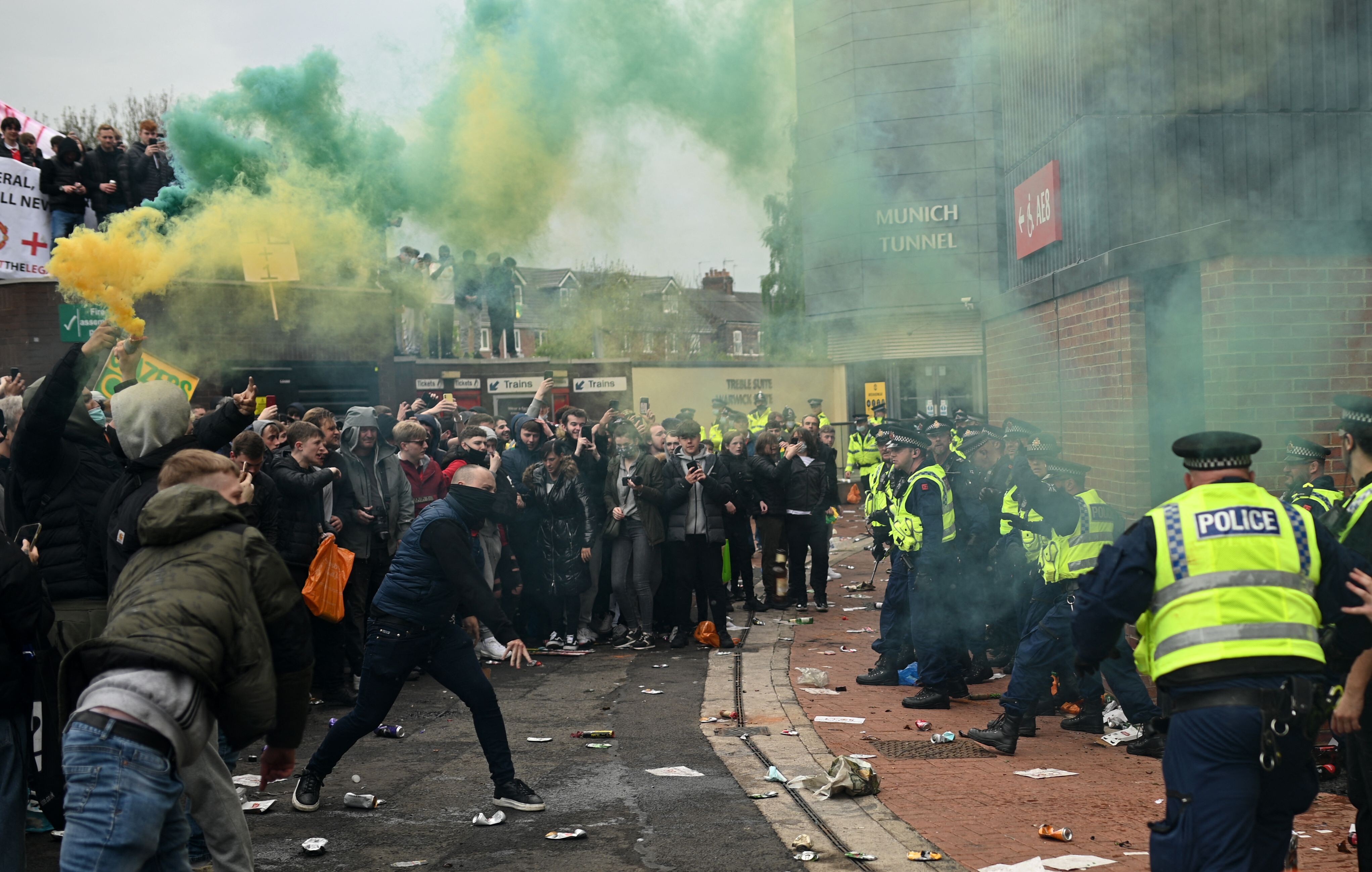
Video footage circulating online shows moments of physical confrontation, including individuals being pushed, objects being thrown and police attempting to separate the groups. One widely shared clip appears to show a counter-protester lunging toward marchers before being restrained by members of the crowd. Officers were seen forming lines and using shields, with accusations from protesters that police were protecting agitators while being overly forceful toward those advocating remigration. Counter-demonstrators claimed the opposite, alleging insufficient protection from far-right elements.
Greater Manchester Police have confirmed they made multiple arrests for public order offences, assault and possession of offensive weapons. Fires were reported in bins and minor damage to property occurred in the vicinity. The force described the situation as “fast-moving and challenging,” with additional resources deployed to restore order. No serious injuries requiring hospital treatment have been officially confirmed at this stage, though several individuals were treated at the scene.
The march was organised by groups associated with the broader “remigration” movement, which calls for the return of individuals who entered the UK illegally or who have committed serious crimes, alongside a significant reduction in net migration. Organisers framed the event as a peaceful expression of public frustration with high immigration levels, integration failures and what they term “two-tier policing.” Recent Home Office statistics showing continued small boat crossings and asylum backlogs have fuelled such sentiment in parts of the country.
Counter-protesters, including local Muslim communities and left-wing activist groups, gathered in opposition, arguing that the demonstration promoted hate and collective blame against law-abiding British Muslims. They accused organisers of stoking division and scapegoating minorities for broader societal problems.
The unrest in Manchester represents one of the more serious public order incidents in England in recent years. It comes amid a wider national debate on immigration that has intensified since the 2024 general election. Public concern over housing shortages, pressure on the NHS, grooming gang scandals in certain towns and perceived failures of multiculturalism continues to register strongly in opinion polls.
Prime Minister Keir Starmer’s government has pledged to reduce net migration through higher salary thresholds for work visas, reforms to the student route and faster processing of asylum claims. However, critics from the right argue these measures are too slow and insufficient, while voices on the left warn against policies that could stigmatise entire communities.
Reform UK figures, including MPs such as Rupert Lowe, have expressed sympathy with the protesters’ core concerns while condemning violence. Conservative leader Kemi Badenoch has called for firmer enforcement of existing laws without resorting to collective punishment. Labour ministers have emphasised the need for calm, lawful protest and warned against rhetoric that incites hatred.
The concept of “remigration” remains highly contentious. Proponents argue it is a logical extension of existing deportation powers for those without legal status or with criminal records. Opponents insist it amounts to ethnic or religious targeting that violates British values and international obligations. Legal experts note that any large-scale programme would face enormous practical, legal and diplomatic hurdles, including appeals processes, human rights challenges and cooperation from countries of origin.
The Manchester events have once again highlighted accusations of “two-tier policing.” Protesters claim officers are quicker to intervene against native demonstrators than against minority or left-wing groups. Police leadership maintains that decisions are based solely on threat levels and public safety, not identity. Independent reviews of past incidents, including those in Southport and elsewhere, have sometimes found inconsistencies in policing approach that fuel public mistrust.
As investigations continue, the focus is shifting toward the underlying causes of such unrest. Successive governments have struggled to reconcile high migration with social cohesion, economic needs and public consent. The current Labour administration faces the dual challenge of delivering measurable reductions in arrivals while preventing the kind of street-level disorder seen in Manchester.
For British society more broadly, the clashes serve as a stark reminder of how deeply immigration divides the nation. Peaceful protest is a fundamental right, yet when rival groups confront each other with opposing visions of Britain’s future, the risk of escalation is ever present. Restoring trust will require not only effective policing but also honest policy responses that address legitimate grievances without alienating communities.
The coming days will see further analysis of the Manchester events, including bodycam footage, witness statements and any charges brought. Political leaders from all sides are expected to comment as the country grapples with the latest manifestation of its unresolved immigration debate.



Related Posts
FARAGE & REFORM STORM OUT OF PMQs IN PROTEST! GOOUT
In a shocking display of political defiance, Nigel Farage and members of the Reform Party walked out of Prime Minister’s Questions (PMQs) today after the leader of…

Reform UK’s Local Election Success Raises Questions for Labour and Conservatives. phunhoang
Reform UK has recorded a significant breakthrough in local council elections, securing multiple seats and achieving strong vote shares in several English constituencies. The results mark one…
The Arithmetic of Deception: Donald Trump’s $450 Million Reckoning in a New York Courtroom.thuynga
NEW YORK — For decades, the Trump brand was synonymous with a specific kind of New York alchemy: the ability to transmute bravado into glass-and-steel reality. But…
2,6 MILLIARDS DE VUES EN 24 HEURES — CHARLES ALLONCLE DÉCLENCHE UN TSUNAMI AVEC « L’INFO NON CENSURÉE », LE SYSTÈME MÉDIATIQUE VACILLE !DB7
Personne n’avait anticipé une déflagration d’une telle ampleur, et pourtant, en quelques heures à peine, Charles Alloncle a renversé les codes établis en exposant ce qu’il appelle…

Katie Hopkins demands resignation of Prime Minister Starmer in strongly worded public statement. phunhoang
British commentator Katie Hopkins has issued a direct and highly charged call for Prime Minister Keir Starmer to resign, warning that failure to do so will lead…
The Northern Gambit: Canada’s Hidden Aces in the High-Stakes Trade War with Trump.thuynga
OTTAWA — For months, the narrative radiating from Mar-a-Lago and the corridors of the U.S. Trade Representative’s office has been one of absolute American dominance. President Trump…
LEAVE A RESPONSE