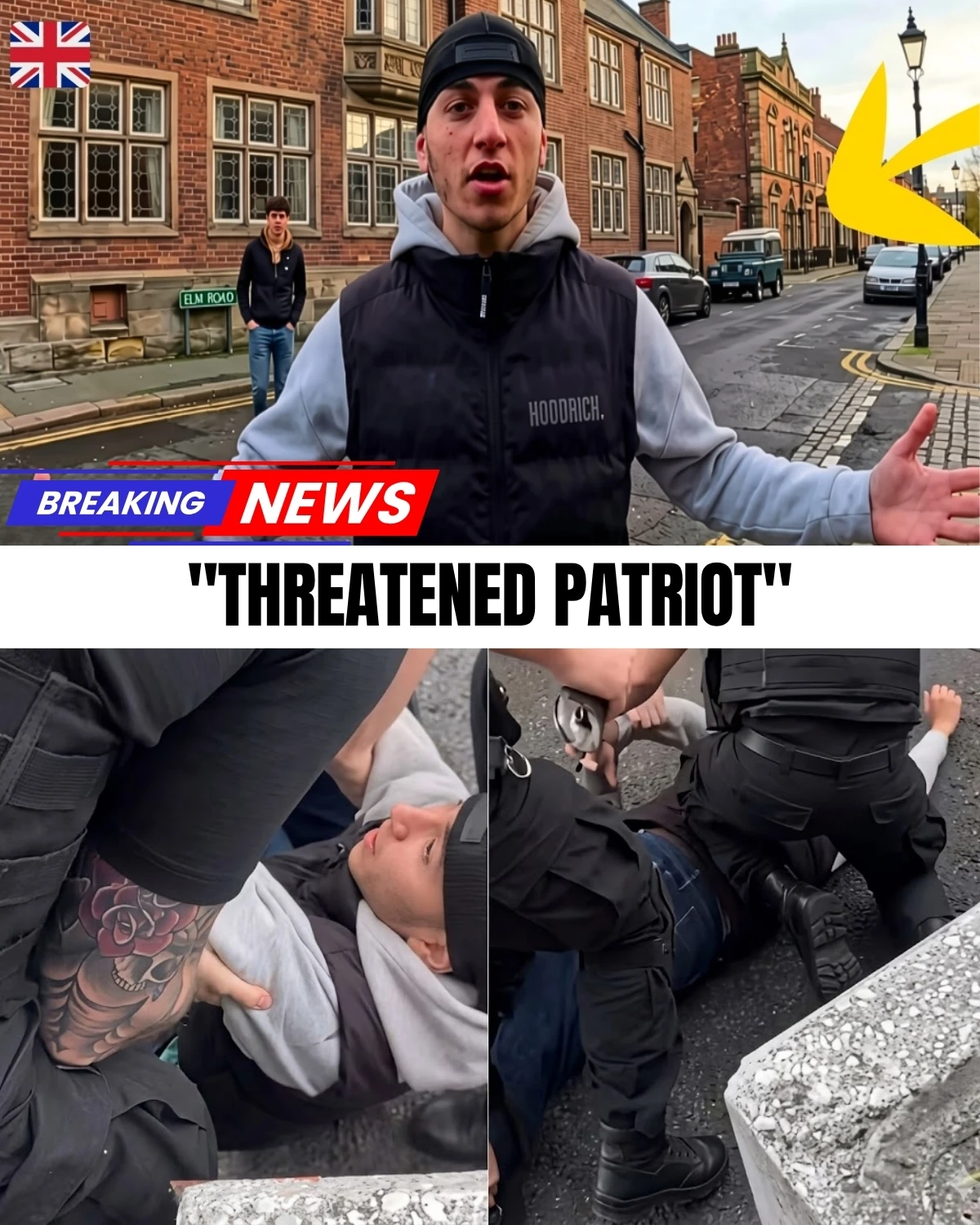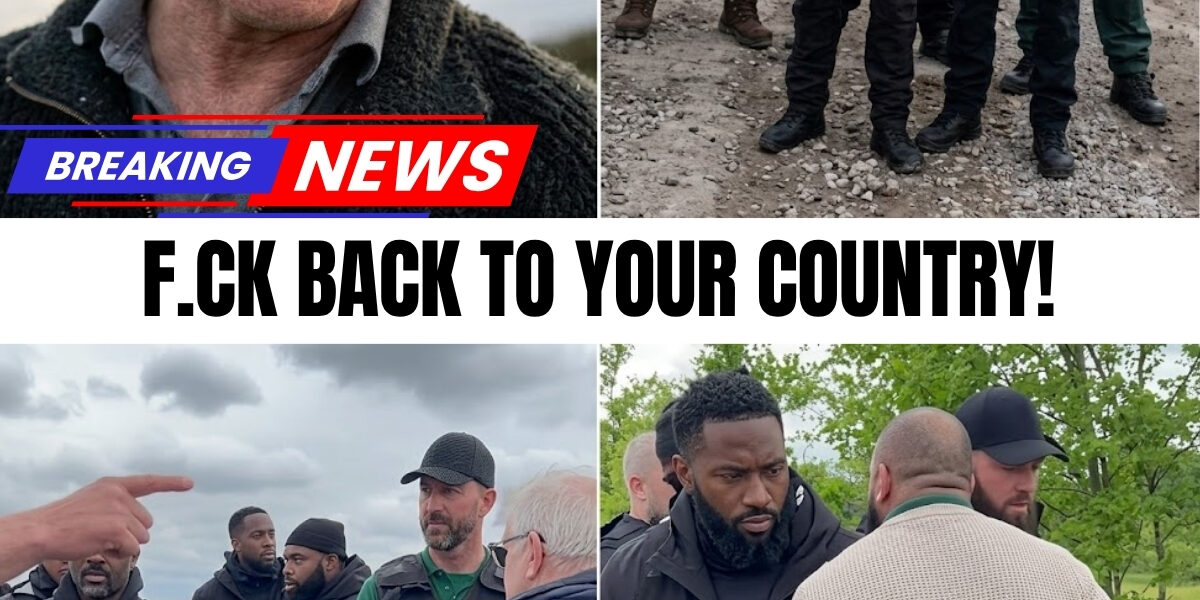
A peaceful rural area just turned into an absolute battleground! 😱 A shocking video is exploding across social media showing a highly charged confrontation in a remote peat bog!


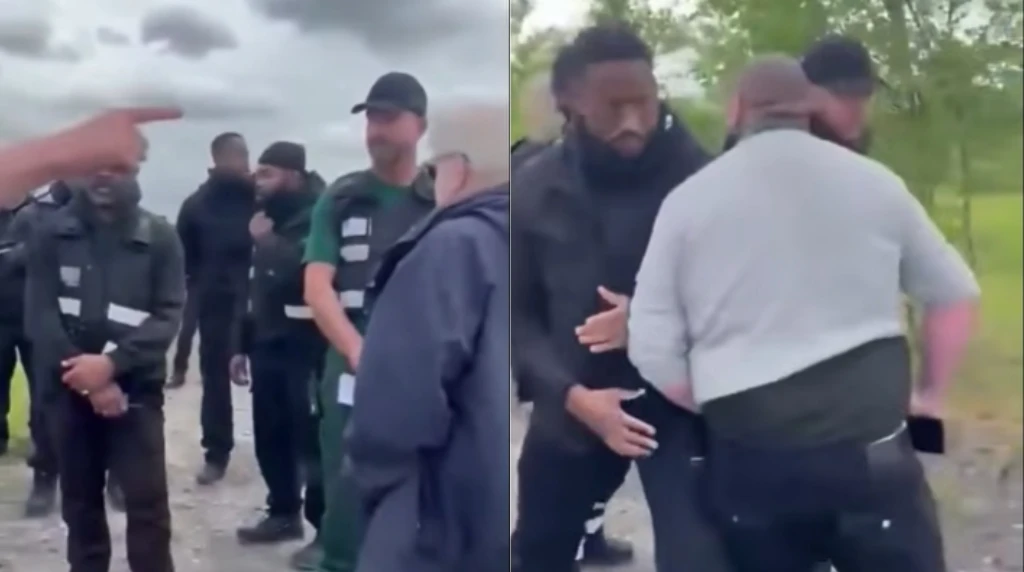
A volatile confrontation has erupted in rural Ireland, highlighting severe local tensions over land use, immigration, and the deployment of foreign workers. Video footage rapidly circulating across political commentary channels depicts a hostile standoff in a peat bog in Mountmellick, County Laois, where local residents aggressively confronted a group of migrant workers, demanding they leave the country.
The incident, which was aggressively amplified by the UK-based right-leaning channel Banter Britain, points to a dangerous escalation in anti-migrant rhetoric and localized vigilantism across the British Isles and Ireland.
The Confrontation: The “Land Grab” Narrative
The conflict reportedly centers on a dispute over land access and peat mining. According to the commentary provided alongside the footage, an Irish farmer was allegedly barred from accessing his own land by a cohort of migrant workers acting as security or labor for a separate entity.
The video shows a highly charged scene. Local men aggressively verbally assault the group of workers—identified by the commentators as “Africans, Muslims, and Asians.” The locals repeatedly demand the workers leave, shouting, “Go back to your own countries… this is our country, you won’t be taking it over.”
The rhetoric used by the locals rapidly escalated from a specific land dispute to a sweeping nationalist defense against a perceived invasion. One prominent individual in the video called for mass mobilization, stating, “Every young lad, every man in this country should be here… these foreigners all coming here taking over our country.”
He further claimed the incident was a deliberate “land grab” and warned that if locals do not stand up, “they’re going to take everything from us.”
Historical Grievances and Anti-Immigration Sentiment
The footage is notable for how quickly the agitators weaponized Irish historical trauma to justify their hostility toward the migrant workers. The local men explicitly linked their current grievances to Ireland’s colonial past, warning the migrants, “We drove out the English, we’ll drive you [expletives] out too.”
The individual filming the confrontation also directed his anger at the Irish political establishment and historical peace treaties, blaming the Good Friday Agreement and politicians like Gerry Adams for “selling out” the country. He explicitly demanded that every International Protection Accommodation Services (IPAS) center in Ireland be emptied and that the migrants be immediately transported to the airport.
Media Amplification and Cross-Border Agitation
The rapid dissemination of this video by a UK-based channel, Banter Britain, underscores how localized incidents in Ireland are being co-opted to fuel broader anti-immigration narratives across the UK.
The channel’s host framed the Irish confrontation as proof that “we’ve really been invaded in this country” (referring broadly to the UK and Ireland), linking the peat bog dispute directly to reports of illegal Channel crossings in Britain. This cross-pollination of grievances indicates a growing, transnational right-wing populist movement that views any localized friction involving migrants as evidence of a coordinated, existential threat to national identity.
Banter Britain also used the broadcast to complain of “restrictions” placed upon their channel by YouTube due to previous videos criticizing the UK government and Prime Minister Keir Starmer, claiming they are being “silenced” by “lefties.”
A Flashpoint for Civil Order
The scenes in County Laois represent a dangerous flashpoint. The deployment of foreign nationals in rural labor disputes—whether legal or illegal—is acting as a spark in communities already highly sensitized to demographic changes and housing pressures.
When local disputes morph into racially charged, nationalist confrontations invoking historical warfare, the risk of physical violence increases exponentially. The challenge for Irish authorities (the Gardaí), who were reportedly present at the scene but criticized by the agitators, is not just mediating a property dispute, but preventing the normalization of vigilante-style evictions and explicitly xenophobic street action.