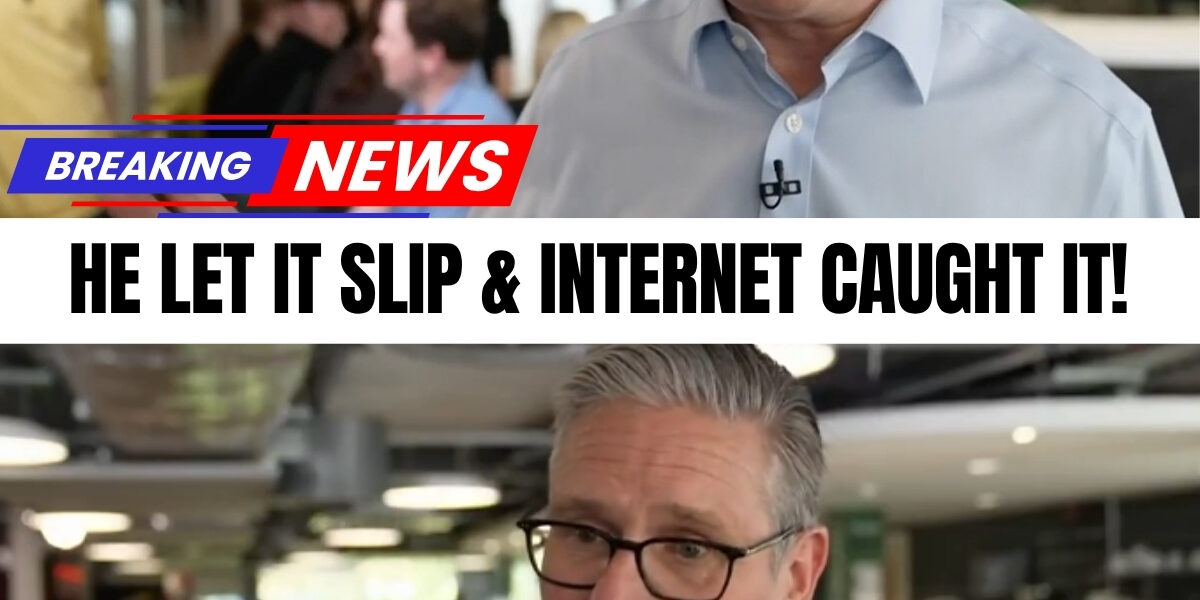
The British Prime Minister just went on live TV with a “bold” defense of his government, claiming the economy is booming and inflation is under control!


Embattled Prime Minister Keir Starmer has launched a vigorous defense of his government’s economic and social record during a highly scrutinized morning television interview. Despite facing a looming leadership challenge, catastrophic local election results, and a barrage of online criticism, Starmer insisted his administration is successfully stabilizing the UK economy and delivering for the public.
However, his optimistic framing has instantly triggered intense backlash from political commentators and the public, who accuse the Prime Minister of “gaslighting” a nation still grappling with the cost-of-living crisis.
Starmer’s Defense: Touting Economic Stabilization
During the interview, Starmer projected absolute confidence, attributing recent positive economic indicators directly to his government’s policies. “The fact that inflation dropped didn’t drop out the sky, that’s because of the decisions the government took,” Starmer asserted.
He outlined several key metrics to prove his “plan is working”:
-
Economic Growth: Starmer highlighted that UK economic growth is currently higher than predicted and the highest in the G7, which he claims will inject more money into the economy and public services.
-
Cost of Living Relief: Addressing public anxieties exacerbated by the ongoing conflict in Iran, Starmer pointed to measures extending energy bill support, holding fuel duty rates, and a significant temporary cut in VAT (from 20% to 5%) for hospitality to help families afford summer outings.
-
Public Services and Migration: The Prime Minister claimed NHS waiting lists are falling at the sharpest rate in 17 years. Furthermore, he highlighted new statistics showing net migration has dropped to roughly a fifth of the near-million peak seen under the previous government.
When pressed on the internal Labour Party turmoil—specifically the rumors surrounding potential successors like Andy Burnham or Wes Streeting—Starmer deflected. He emphasized unity and stated his intent to campaign personally in the upcoming, highly contested Makerfield by-election, framing it as a “straight fight between Labour and Reform.”
The Backlash: “Working for Who Exactly?”
Starmer’s attempt to paint a picture of national recovery has been met with fierce resistance online and in right-leaning media circles. Commentators on platforms like British Stand immediately dissected the interview, accusing the Prime Minister of being detached from reality.
The core critique centers on the lived experience of the British electorate. “Working for who exactly?” the British Stand host asked, arguing that millions of people feel financially worse off than they did before the 2024 general election.
Critics point to systemic issues that contradict Starmer’s optimistic narrative:
-
Persistent Struggles: Despite macro-economic growth, families continue to struggle with daily expenses, and young people remain locked out of the housing market.
-
Migration Nuance: While Starmer touted the drop in net migration, critics highlight that illegal immigration (particularly small boat crossings) remains a highly visible and politically toxic issue.
-
Political Reality: The commentary highlighted the jarring contrast between Starmer’s “sunshine and roses” demeanor and the political reality that he is “clinging on by a thread,” with ministers resigning and an impending leadership contest threatening to oust him.
A Critical Disconnect
The morning interview exposes a severe disconnect between Downing Street’s statistical victories and the public’s emotional and financial reality. Starmer is attempting to use macro-economic data (G7 growth rates, falling NHS lists) to soothe micro-economic pain (the cost of groceries and summer holidays).
By claiming the “plan is working” while his own party plots his removal and the public expresses deep disillusionment, Starmer risks appearing arrogant or profoundly out of touch. As the Makerfield by-election approaches—a race he accurately identified as a crucial battle of values between Labour and Reform—the Prime Minister’s ability to convince voters that his statistical successes translate into tangible improvements in their lives will determine whether he survives the summer.