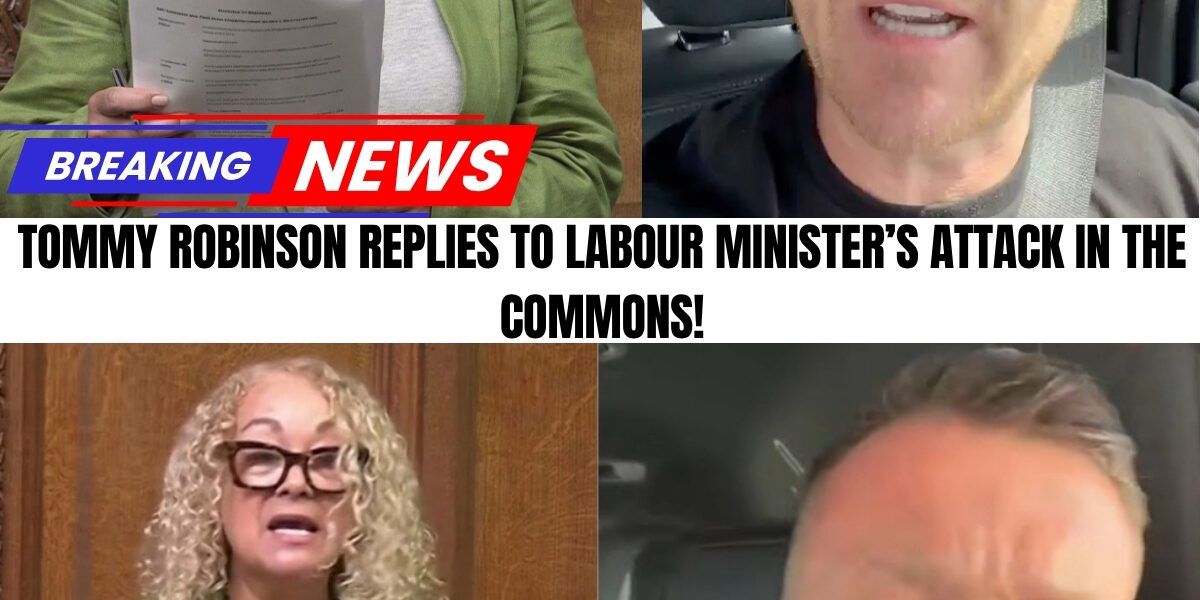
A “Political Earthquake” is coming! 😱 While a Labour minister slams the Met Police for “favoring fascists,” Tommy Robinson has just issued a chilling warning to his supporters.


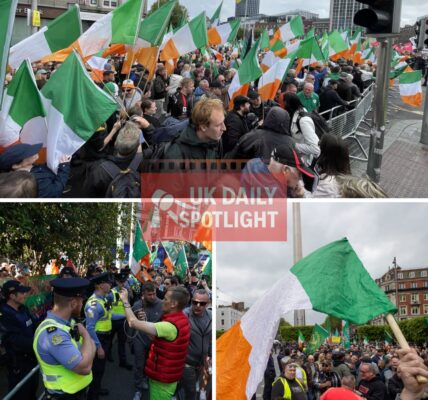
The political atmosphere in the United Kingdom is intensifying ahead of a major planned march titled “Unite the Kingdom,” set to take place on May 16. A public war of words has erupted between a Labour minister and controversial activist Tommy Robinson (real name Stephen Yaxley-Lennon), exposing deep divisions over the right to protest and allegations of bias within the Metropolitan Police.
Warning from Parliament
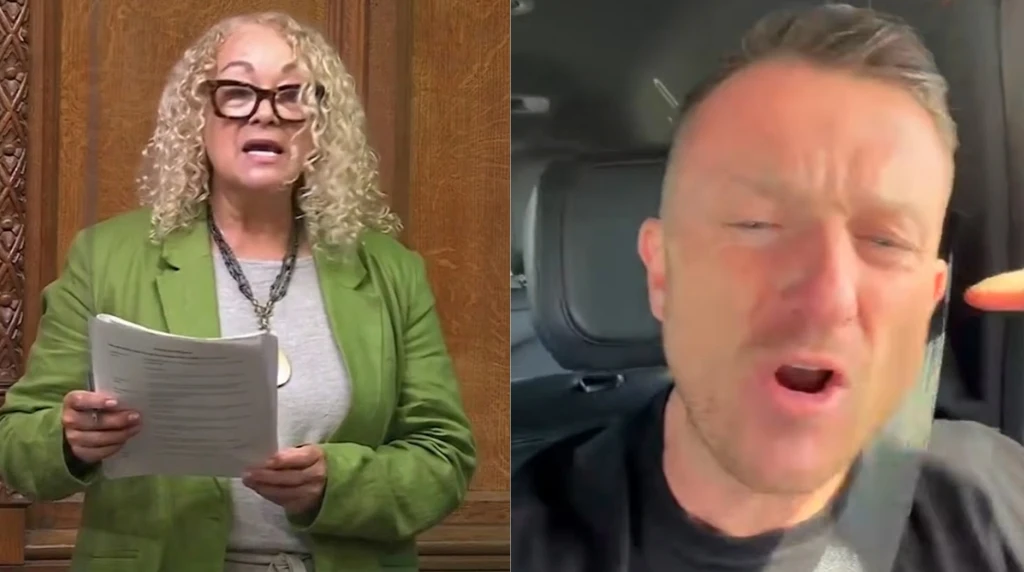
In the House of Commons, a female Labour MP/minister directly criticized both Robinson and the Metropolitan Police. She expressed serious concern over police approval for what she described as a march by “fascists” into central London.
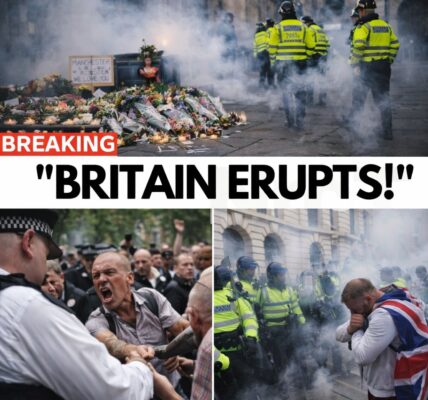
To underline her argument, she drew a comparison: while the “Unite the Kingdom” protest had been permitted, organizers of the annual Nakba Day march—who had submitted detailed plans as early as December—were still awaiting approval of their route. The minister claimed that previous Unite the Kingdom demonstrations had seen “unacceptable levels of violence,” contrasting them with pro-Palestinian protests she described as largely peaceful. She accused the Metropolitan Police of showing “clear and obvious bias” in how different groups are treated, and called for a debate on what she termed the “alarming rise of far-right activity on our streets.”
The Leader of the House responded by defending the police, stating that regardless of political affiliation, public safety remains the top priority and Parliament maintains confidence in the Met’s handling of such events.
Tommy Robinson’s Response
In response, Tommy Robinson released a video strongly rejecting the “fascist” label, insisting that participants are simply “ordinary British people—citizens, taxpayers, and patriots.”
A central theme of his message was a call for strict non-violence and adherence to the law. He argued that for over a decade, politicians have fostered a form of “political policing” that pits patriots against law enforcement. However, he claimed a “complete shift” is now underway, with police beginning to recognize the group’s legal right to protest.
Robinson explicitly warned his supporters not to engage in any violence or confrontation with frontline police officers. He cited a recent protest in Epsom, organized by activist Danny Tommo, where demonstrators maintained discipline and avoided clashes. As a result, they secured an official meeting with authorities. According to Robinson, any violence would only “add fuel to the fire,” giving media and political opponents justification to label them as “thugs.”
He also imposed a strict ban on face coverings at the May 16 event and emphasized that the march is intended to be family-friendly, welcoming women and children.
Call for a “Political Earthquake”
Strategically, Robinson explained that the May 16 date was chosen deliberately—just after local elections. He urged supporters to vote in order to remove both the Labour Party and the Green Party, aiming to trigger what he described as a “political earthquake” before converging on London to demand an early general election.
The planned mid-May demonstration is expected to be a major test of public order in London, placing the Metropolitan Police in a difficult position—caught between political pressure from the government and the obligation to uphold the right to protest for conservative and right-leaning groups.