
The sun is out in the UK, but a massive storm is brewing at the English Channel! 🌊 Authorities just confirmed a sudden, overwhelming surge of small boats hitting British waters the moment the weather cleared up.


A sudden spell of sunny weather has triggered a significant surge in small boat crossings across the English Channel, reigniting intense political debate over the effectiveness of the UK government’s border security policies and its reliance on French cooperation.
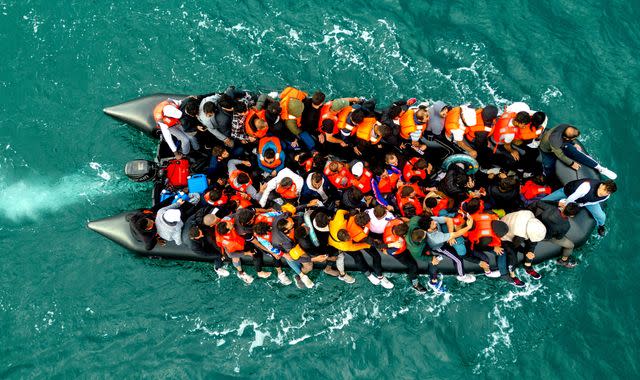
As of this morning, authorities reported three small boats actively making their way across the Channel, following the arrival of 130 individuals on the illegal crossing route yesterday. Since last Friday, there has only been a single day without migrant boats reaching British waters.
Shifting Smuggler Tactics and AI Implementation
The latest wave of crossings highlights how smuggling gangs are rapidly adapting their operational tactics. Security sources report that one of the boats that arrived yesterday launched from a beach near the French port of Dieppe—approximately 100 miles south of the traditional launch zones around Dunkirk.
Border experts suggest this geographical shift indicates that the £662 million in funding provided by the UK to French authorities is causing disruption at primary launch sites. However, rather than deterring the crossings, the enforcement has simply pushed smugglers to utilize different coastlines, forcing migrants to endure longer and potentially more dangerous journeys in larger vessels.
Simultaneously, the Home Office has announced preparations to deploy artificial intelligence (AI) technology to assist in determining the age of migrants arriving via the Channel, aiming to close loopholes regarding asylum claims. The government continues to spend an estimated £1.2 million annually on Channel rescue boats.

The Political Clash: Policy vs. Weather
The renewed crossings have sparked a fierce debate over whether the current Labour government’s border strategy is succeeding or failing.
Appearing on GB News, former Labour councillor Simon Greaves defended the administration’s record, pointing out that crossing numbers for the first five months of the year are down 37% compared to the same period last year. Greaves attributed this drop to increased international cooperation, the utilization of drones and AI, and the deployment of anti-terrorism legislation to dismantle smuggling networks at their source.
He firmly rejected calls to implement a third-country deportation scheme—such as the scrapped Rwanda plan—arguing that the government’s current incremental measures are working.
However, media commentators and conservative critics immediately challenged this narrative. They argued that the 37% reduction earlier in the year was exclusively due to unusually wet and windy weather conditions, not government policy. Critics highlighted that once the weather improved over the last week, approximately 1,500 migrants immediately crossed the Channel.
Opponents of the current strategy argue that smuggling operations are highly professional and adapt significantly faster than government bureaucracies. With several European nations now exploring third-country deportation models, pressure is mounting on the UK government to abandon its current approach and establish a hard deterrent, as critics warn that relying on bad weather is an unsustainable border policy.