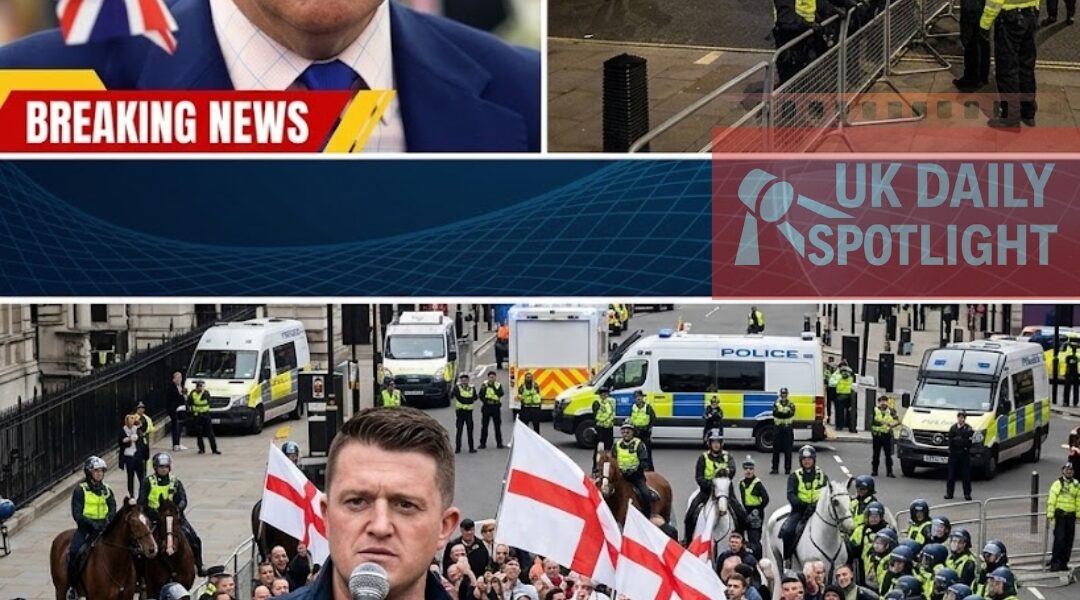
UK Police Step Up Security as Far-Right Anti-Muslim Protests Raise Public Order and Community Safety Concern .

UK Police Step Up Security as Far-Right Anti-Muslim Protests Raise Public Order and Community Safety Concerns
London — Police forces in several parts of the United Kingdom have increased security measures following demonstrations linked to far-right groups that included anti-Muslim messaging, prompting renewed debate over public order, free expression, and community protection.
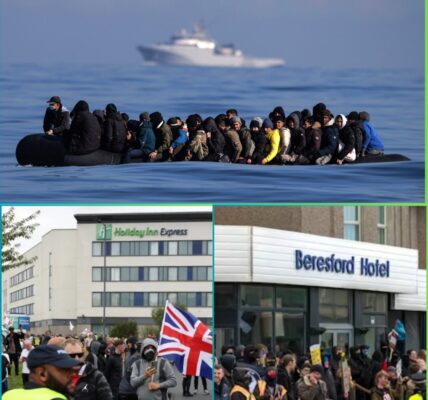
Authorities say the demonstrations, while legal in many cases, have raised concerns due to inflammatory slogans and the potential for intimidation. Several gatherings have also attracted counter-protests, heightening the risk of clashes and requiring significant police deployment to prevent disorder.
The protests come at a time when the UK is experiencing heightened political tension around immigration, cultural integration, and economic pressure. Analysts say these issues have created conditions where extremist groups can gain visibility by framing complex policy debates through identity-based narratives.
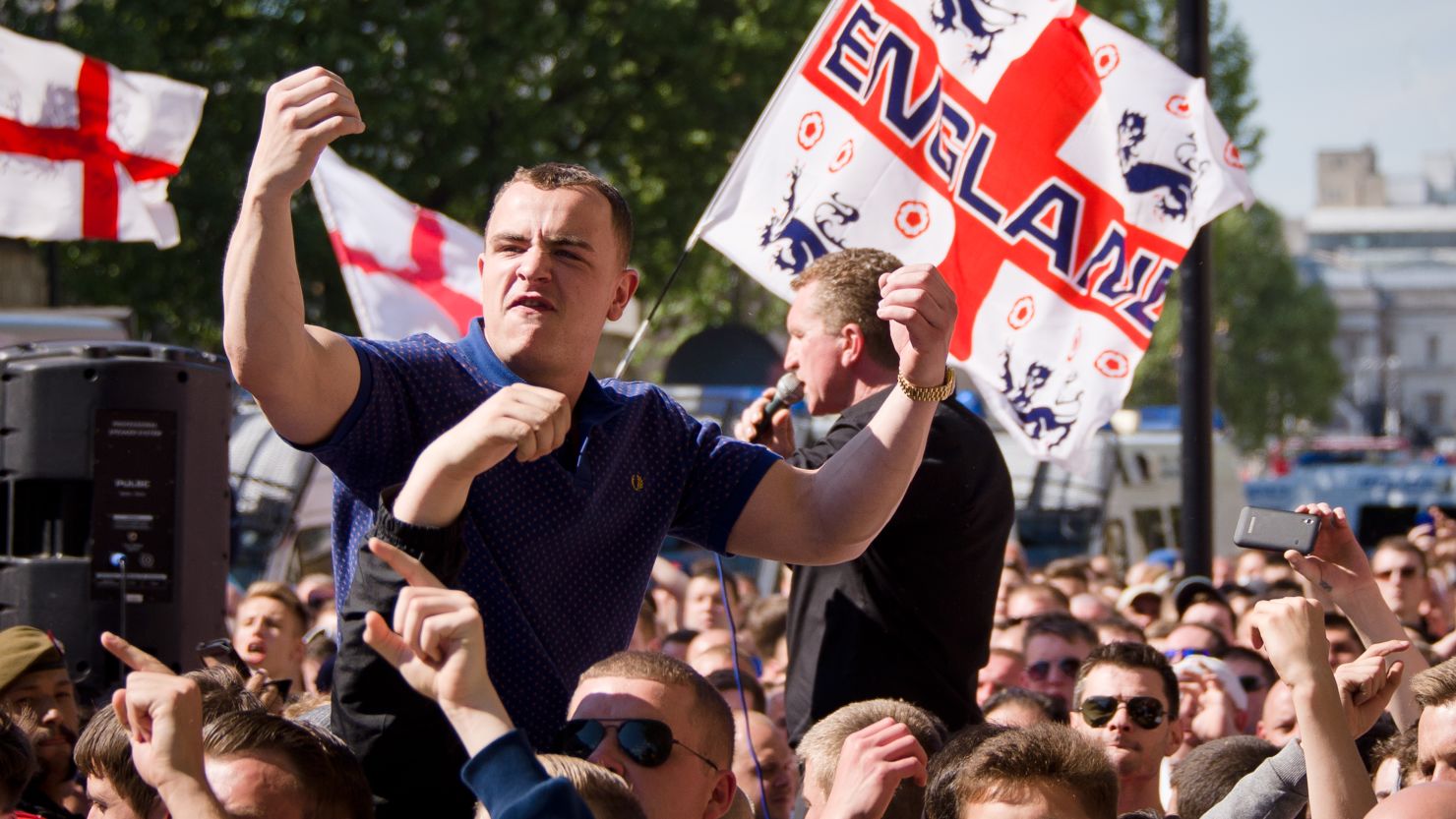
Background Context
The UK has a long history of political protest, with strong legal protections for freedom of expression and assembly. At the same time, British law places limits on incitement to hatred, harassment, and public disorder, creating a legal framework intended to balance protest rights with the safety of targeted communities.
Far-right activism has periodically resurfaced in the UK, often intensifying during periods of economic strain or heightened political debate on migration and national security. In recent years, police and intelligence services have also warned about online radicalisation contributing to street-level mobilisation.
Muslim communities in Britain have repeatedly raised concerns that hostile rhetoric can increase threats, harassment, and discrimination, particularly when protests adopt broad anti-religious slogans rather than specific policy demands.