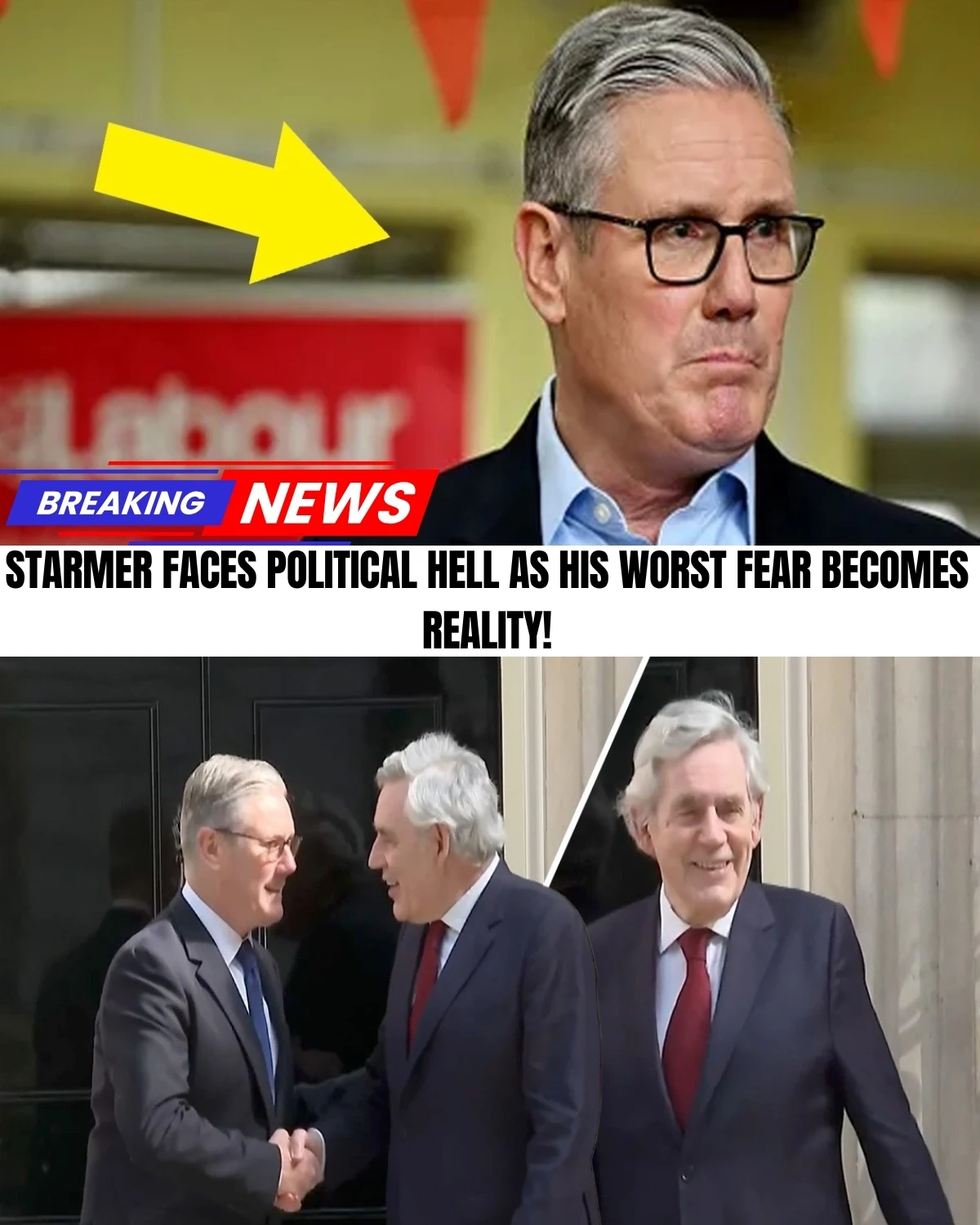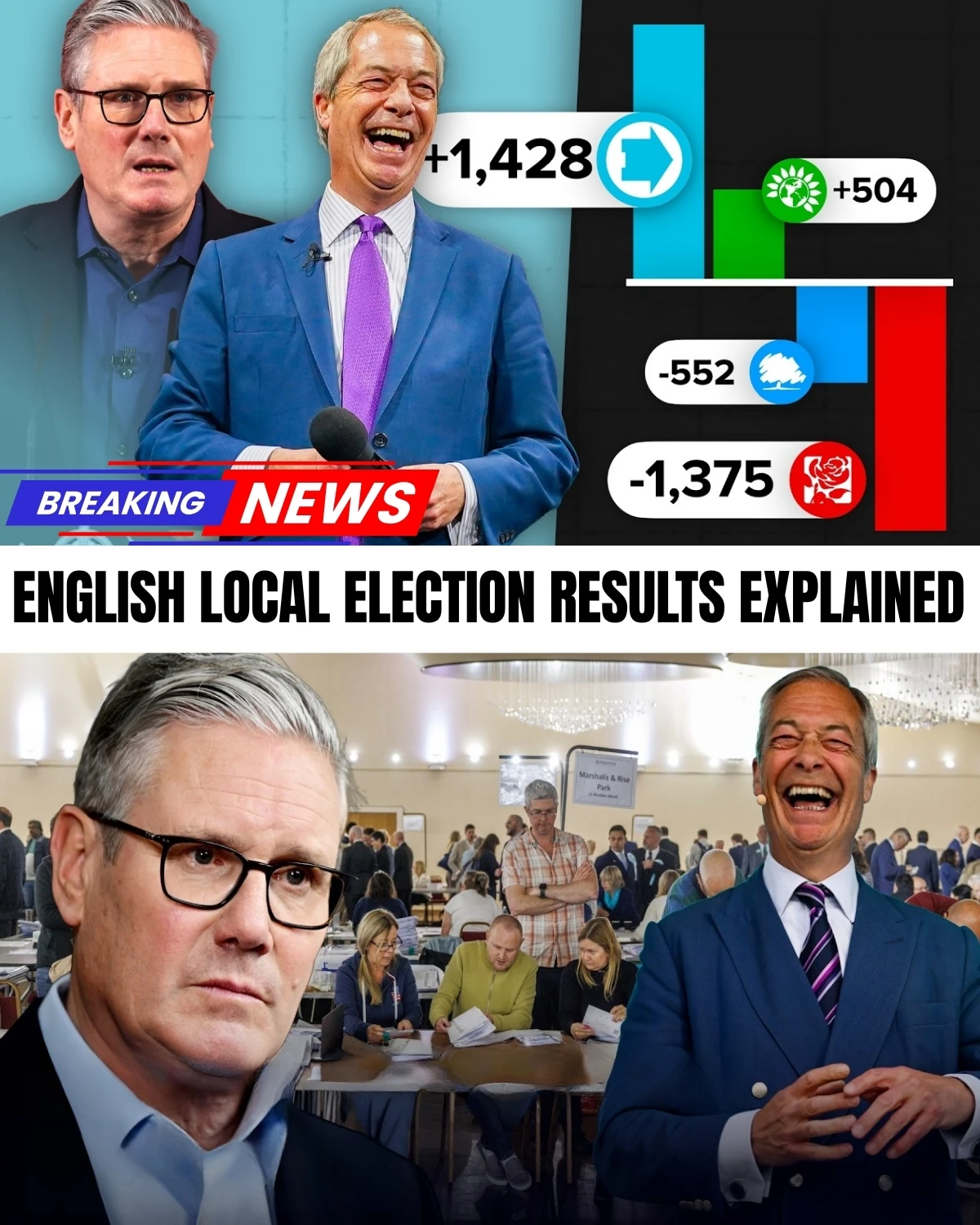
Keir Starmer’s government has hit a historic “dead end” in a 2026 election bloodbath that NO ONE saw coming! 📉 The legendary Red Wall hasn’t just cracked—it has been completely WIPED OUT.

The results of the May 2026 local elections in the United Kingdom have sent a seismic shock through the political establishment, signaling a historic crisis for Prime Minister Keir Starmer’s government. Beyond mere seat counts, the election has unmasked a deep-seated crisis of identity and a radical shift in the British political landscape.
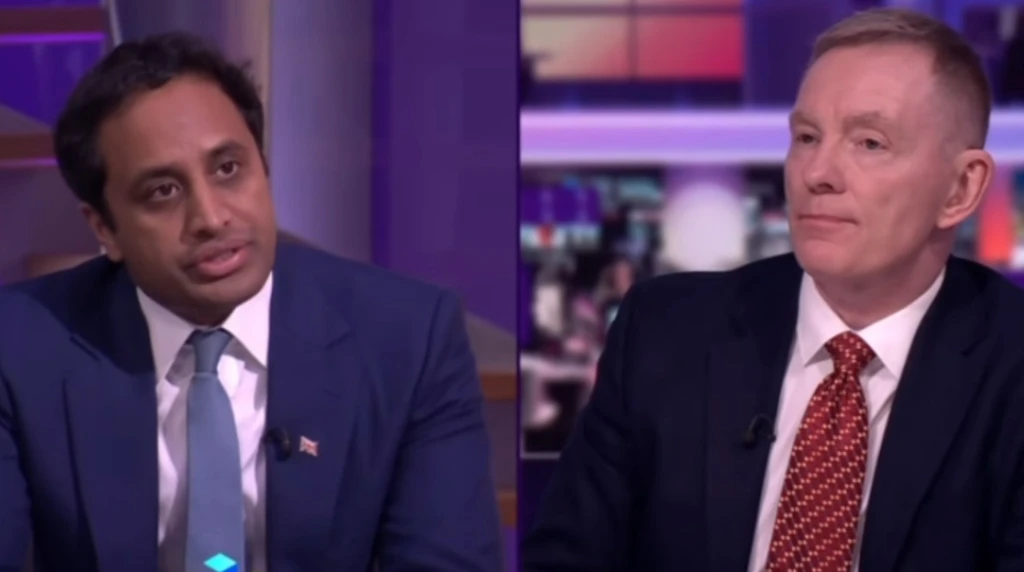
1. A Historic “Wipeout” for the Labour Party
The governing Labour Party has suffered what analysts are calling a “catastrophic” defeat. In traditional heartlands once considered untouchable, the party’s “Red Wall” has not just cracked; it has crumbled.
-
The Scale of Loss: Labour lost over 1,100 councillors and surrendered control of 28 councils. In symbolic strongholds like Sunderland, Reform UK achieved a dramatic victory, gaining 46 seats while Labour lost 37.
-
Voter Alienation: Critics argue that the leadership has become “dangerously out of touch.” Working-class voters expressed anger over a perceived decline in living standards, rising taxes, and the government’s handling of illegal immigration.
-
The “Far-Right” Label: The government’s tendency to dismiss dissenting voices as “far-right” appears to have backfired, driving traditional supporters into the arms of Reform UK.
2. The Rise of “Sectarian” Politics and Social Fragmentation
A startling feature of this election was the surge of independent and faith-based candidates in multicultural hubs like Birmingham.
-
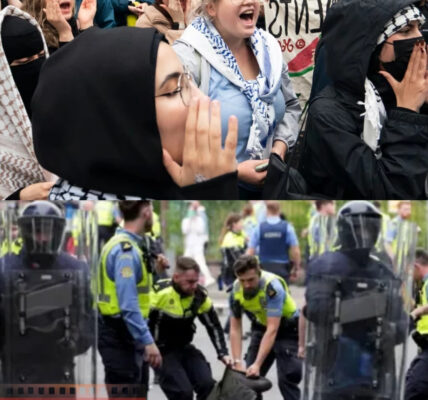
International Issues, Local Votes: In many areas, local issues like waste collection and council tax were sidelined by international conflicts. Candidates campaigning on Gaza and Palestinian activism won numerous seats.
-
The Demise of Localism: Observers warn that the “importation” of global religious conflicts into UK local governance is a dangerous sign of fragmentation. Even Reform UK has been accused of tactical “sectarian” maneuvers, reportedly courting specific communities (such as the Hindu community in certain regions) to counter the Green/Labour influence among others.
3. The “Toxic” Duel: Farage vs. Starmer
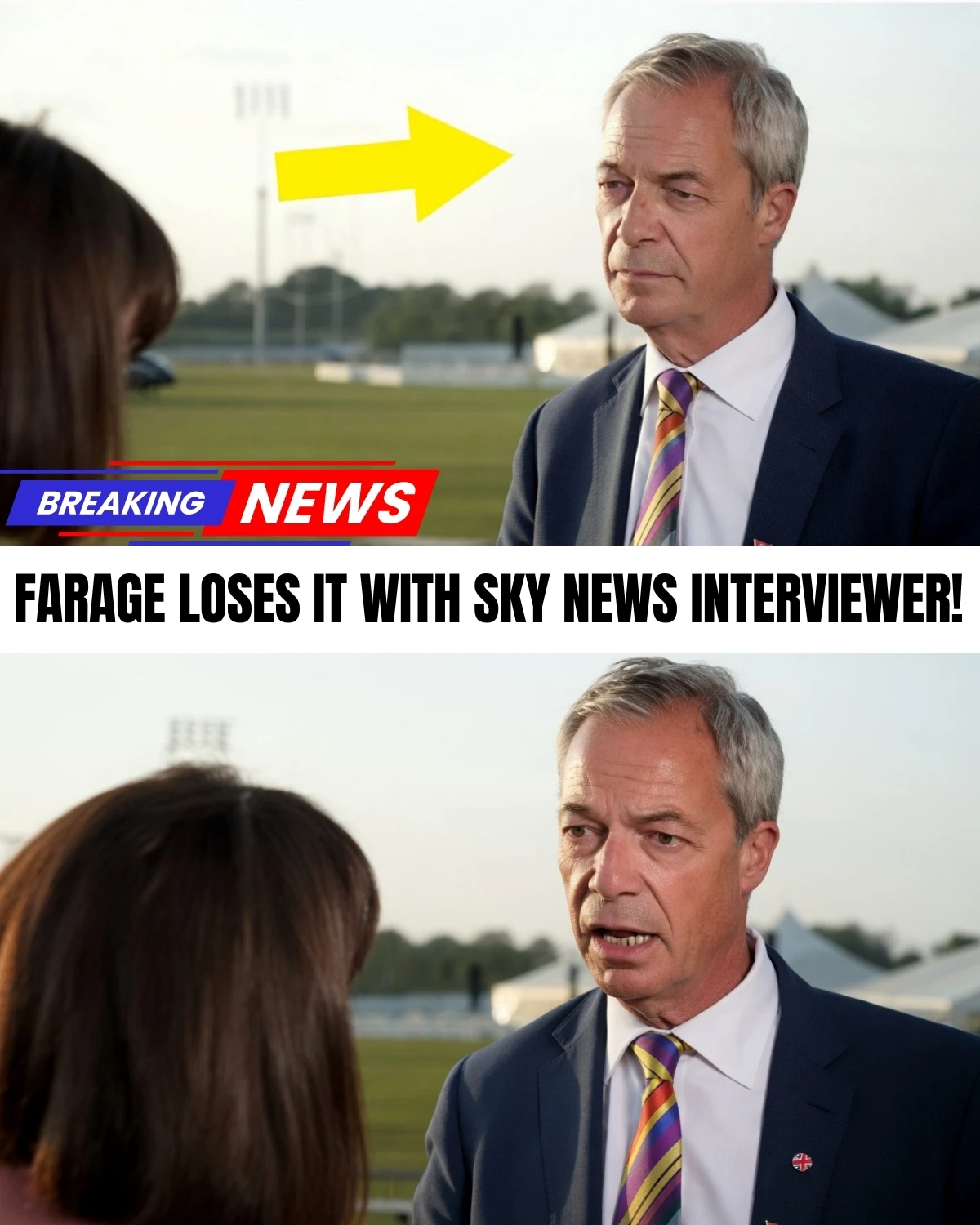
The campaign was marked by an exceptionally hostile atmosphere, specifically between Downing Street and Nigel Farage.
-
Security Controversies: Reform UK accused the Starmer government of “political malice” by allegedly orchestrating a 75% cut in Farage’s taxpayer-funded security detail, despite past physical attacks on the Reform leader.
-
Character Assassination: The rhetoric reached a fever pitch when senior Labour figures, including David Lammy, were accused of using “Nazi-era” smears against Farage. Lammy was forced to backtrack after suggesting Farage had “flirted with Hitler Youth” in his school days—a claim Farage’s biographer dismissed as reckless and absurd.
-
Backfire Effect: Rather than diminishing Farage, these attacks appear to have galvanized his base, positioning him as a martyr against a “globalist elite.”
4. The New Voter Landscape: “Rural Reformers”
The shift in the electorate reveals a new motivation for supporting Reform UK.
-
Rural Conservation: Interestingly, many rural voters chose Reform not solely for immigration policies, but for their pledge to protect the countryside from mass housing developments.
-
The “New Greens”: In some regions, Reform UK has effectively replaced the Green Party for those who wish to preserve traditional living spaces against the pressures of rapid demographic change and urban sprawl.
Conclusion
The 2026 local elections are a clarion call for Keir Starmer. They mark the potential end of the traditional two-party monopoly and the birth of a more volatile, fragmented political era. With approval ratings for the Prime Minister hitting a record low of -53, the “storm” of Reform UK and the rise of sectarian independents suggest that the political structure of the United Kingdom is undergoing its most radical transformation in a century.