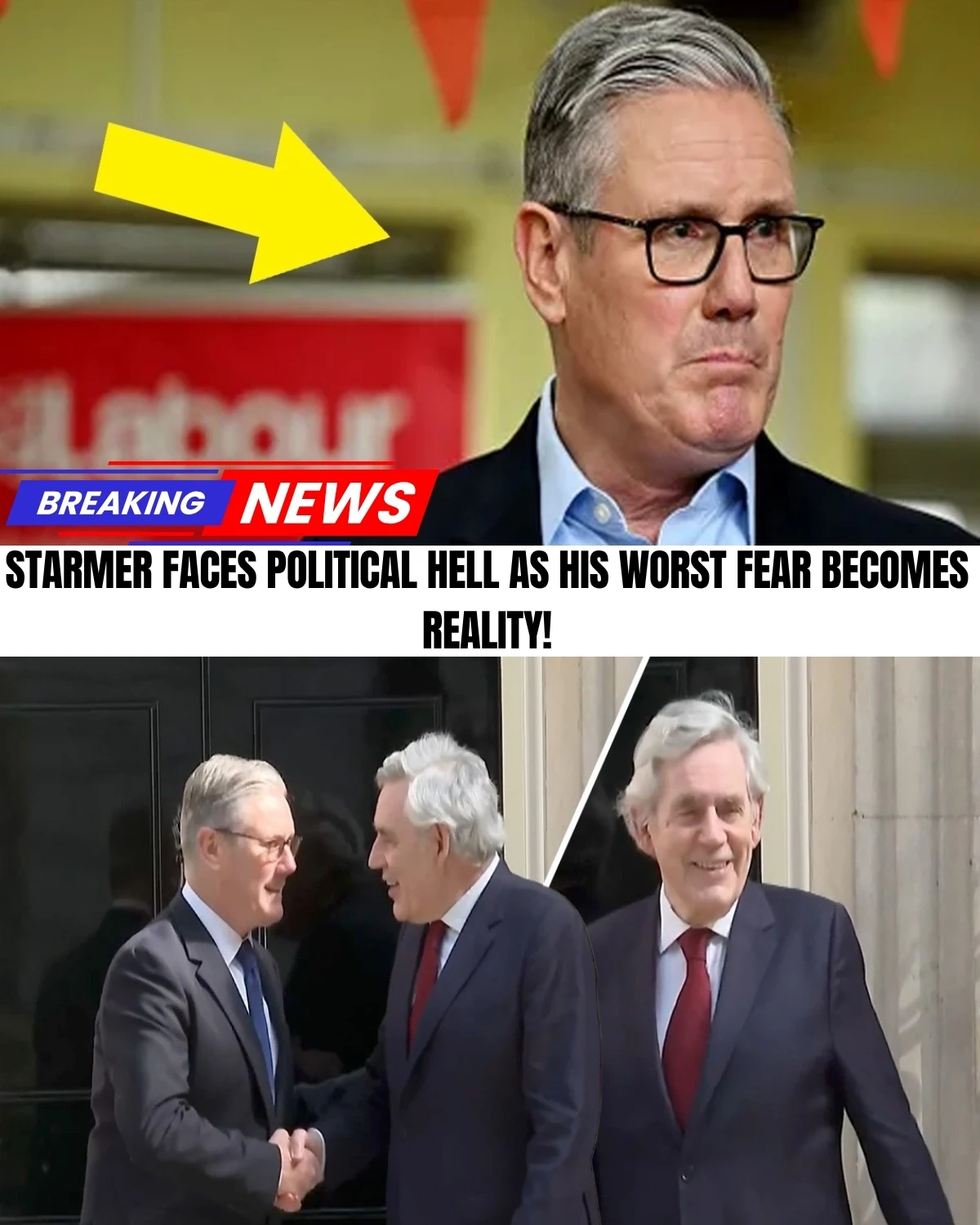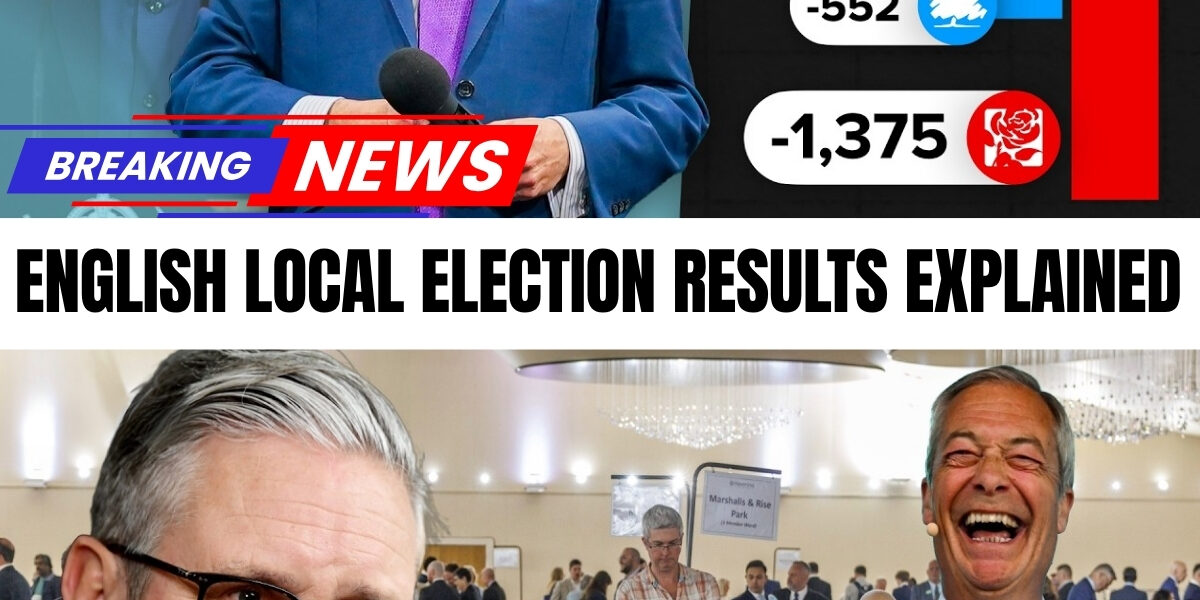
The results are IN and it’s absolute CARNAGE! 😱 After 47 years of power, Labour has been WIPED OUT in its own fortresses. 🏚️ From Tameside to Hartlepool, the “Red Wall” is gone!

Preliminary results from the UK local elections are painting a seismic picture for British politics. Initial data reveals heavy losses for the two traditional giants, Labour and the Conservatives, while Reform UK and the Green Party have recorded landmark breakthroughs. This trend reinforces the narrative of a collapsing two-party system, ushering in an era of genuine power for third parties.
Historical Losses for the Labour Party
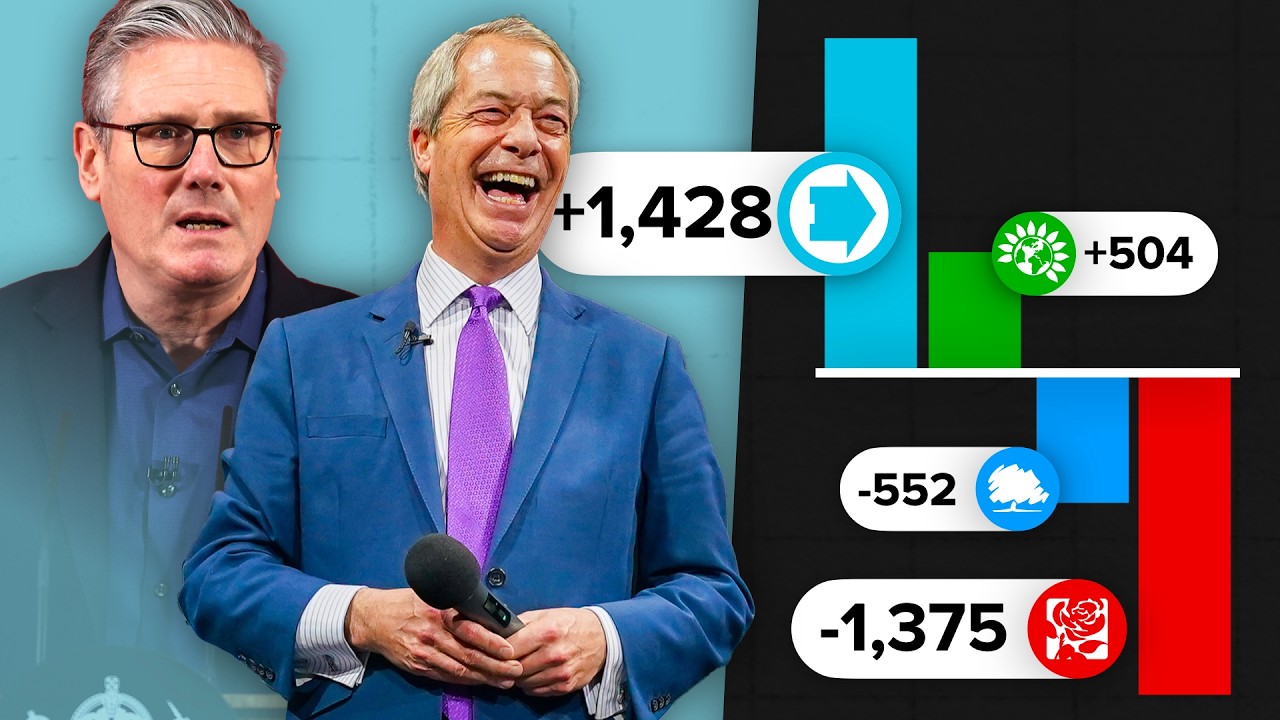
Although only about a third of councils (approximately 1,200 seats) had declared results by early Friday morning, Labour has already suffered significant blows in its traditional strongholds. Projections suggest Labour is at risk of losing around 1,200 council seats nationwide.
The biggest shocks occurred in Tameside, where Labour lost 16 of the 17 seats it was defending to Reform UK, losing control of the council for the first time in 47 years and forcing a search for a coalition. In Hartlepool, Labour lost all 12 seats up for election to Reform. Similarly, in Wigan—considered a Labour fortress and the constituency of senior figure Lisa Nandy—the party lost all 22 seats it was defending, though they mathematically maintain control because the majority of other seats were not up for election this cycle.
Historic Breakthroughs for Reform and the Greens
In contrast to the grim outlook for the governing party, Reform UK is creating an earthquake. The highlight was in Newcastle-under-Lyme, where Reform won 27 out of 44 seats, officially taking a majority and seizing control from the Conservatives. Overall, Reform is projected to gain up to 1,400 council seats nationwide, far exceeding the initial expectation of 800.
The Green Party has also seen explosive growth, with projections suggesting a gain of about 600 seats. While they have not officially taken control of any councils in the early results, the Greens are expected to make significant gains in target areas across London (such as Lambeth, Lewisham, Hackney, and Waltham Forest) and Norwich as the counting concludes.
As for the Conservatives, despite an expected loss of around 500 seats, they found small victories by winning the Westminster council and becoming the largest party in Wandsworth. The Liberal Democrats also recorded modest growth, gaining approximately 170 seats.
Immense Pressure on Prime Minister Keir Starmer
This severe decline stems from Labour’s national approval rating plummeting from 40% in 2022 to below 20% currently. This situation is placing immense pressure on Prime Minister Keir Starmer.
Even before the election, Starmer faced skepticism regarding his leadership, a decline in personal popularity, and various political scandals (notably the Mandelson affair). The loss of hundreds of council seats and control over local authorities will undoubtedly ignite a wave of internal criticism. Prominent figures such as Angela Rayner, Wes Streeting, and Andy Burnham are reportedly poised to use this momentum to challenge Starmer’s leadership in the near future.
The future of Starmer and the British political landscape now hinges largely on the remaining results, particularly those from Scotland and Wales. Whatever the final tally, this local election has become a milestone marking a deep fracture in the old political order of the United Kingdom.