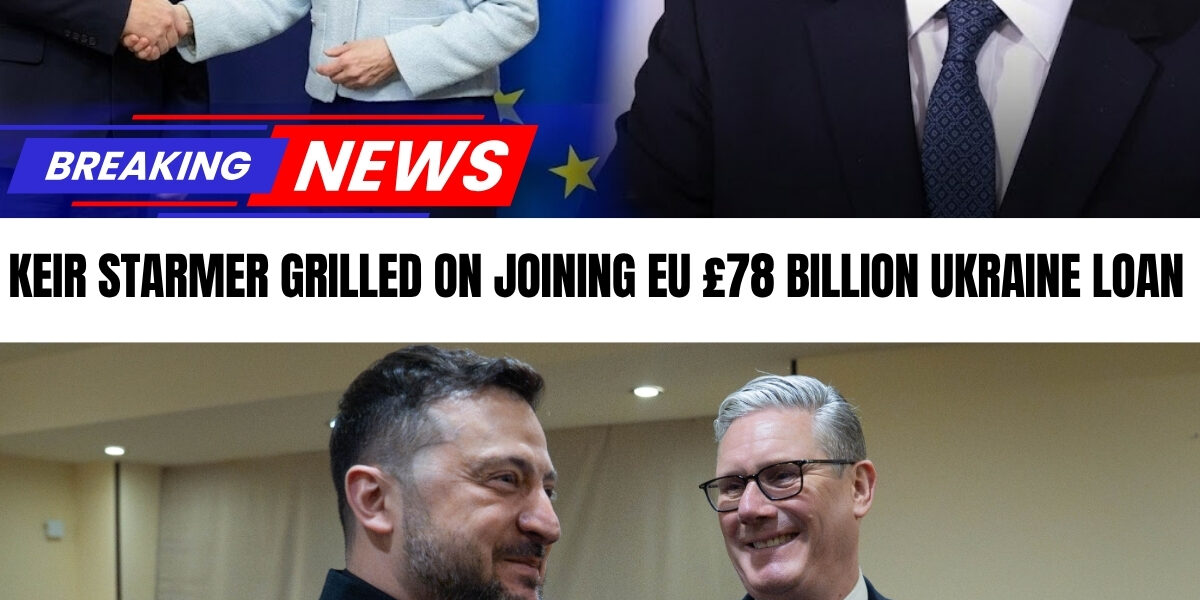
The UK is diving back into the EU’s pockets—but at what cost? 🧨 While the PM is in Armenia signing away billions for Ukraine, a terrifying “RED ALERT” has just been issued for the British Army!

The British government has announced its intention to launch negotiations to participate in the European Union’s (EU) joint loan package worth €90 billion (approximately £78 billion) for Ukraine. This decision comes as Prime Minister Keir Starmer attends the European Political Community summit in Armenia, aiming to bolster aid for Kyiv and deepen defense ties with the EU bloc.
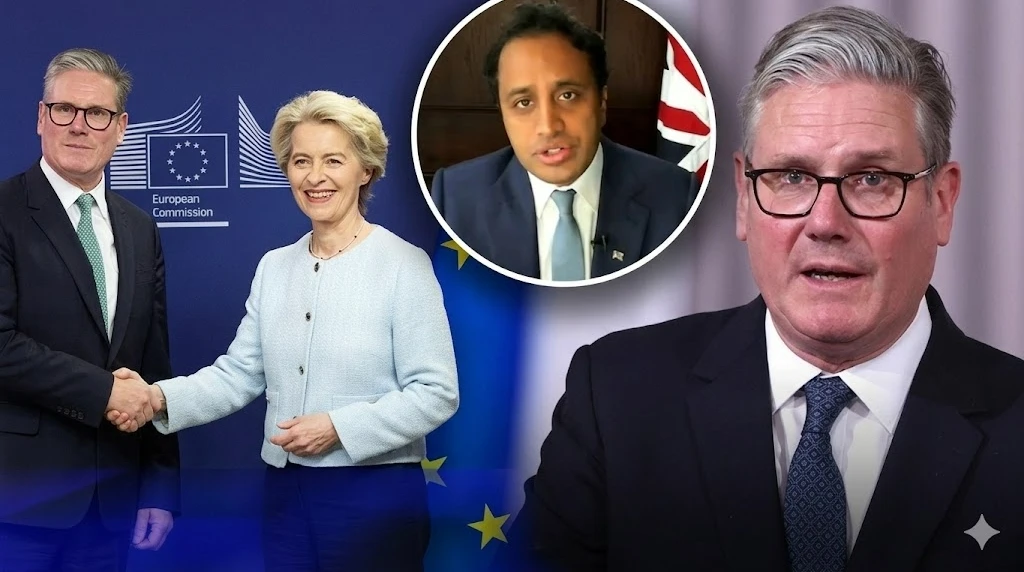
A Historic Loan and the Chance to “Reset” UK-EU Relations
The UK’s push to join this relief mechanism coincides with signs of waning U.S. support for Ukraine. Initially hindered by opposition from Hungary, the loan package has now been cleared for progress.
Speaking to the press at the summit, Prime Minister Starmer emphasized the dual benefits of the agreement: the loan will provide essential defensive capabilities for Ukraine as the conflict enters its fifth year, while simultaneously creating jobs for British citizens through defense manufacturing contracts.
However, many analysts argue this move is part of a broader effort to “reset” the relationship with the EU. Diplomatic sources suggest that if London seeks deeper integration and access to the Single Market, it must accept a “pay to play” mechanism, with contributions potentially reaching £1 billion per year.
Red Alert over Domestic Armed Capabilities
Following the announcement of the foreign financial support plan, the government faced stern warnings regarding the depleted state of the national military. General Sir Richard Barrons, a former military leader and co-author of a strategic defense review, revealed that the British Armed Forces currently lack the budget to procure new weaponry until 2030. The existing budget is deemed barely sufficient to maintain aging platforms, such as tanks and helicopters.
This shortfall has raised deep concerns about the UK’s ability to respond to other global flashpoints. Aside from Ukraine, Starmer is expected to discuss the Middle East with European partners, particularly options for ensuring maritime security in the Strait of Hormuz against threats from Iran. Experts, however, remain skeptical of Britain’s ability to project “hard power” given the severe limitations currently facing the Royal Navy.
Downing Street’s Domestic Challenges
The disparity between international commitments and actual resources has triggered a wave of criticism from the opposition. Critics argue that the government is prioritizing foreign financial flows over core domestic crises, such as the economic downturn and immigration issues.
While the stance of supporting Ukraine against Russia still enjoys high consensus, the public has begun to question the burden-sharing of finances while strategic defense gaps at home remain unfilled.
Summary: Prime Minister Keir Starmer’s visit to Armenia marks a significant shift for post-Brexit Britain. However, the balancing act between restoring influence in Europe and resolving the domestic defense budget crisis remains the most daunting hurdle for the government in the near future.