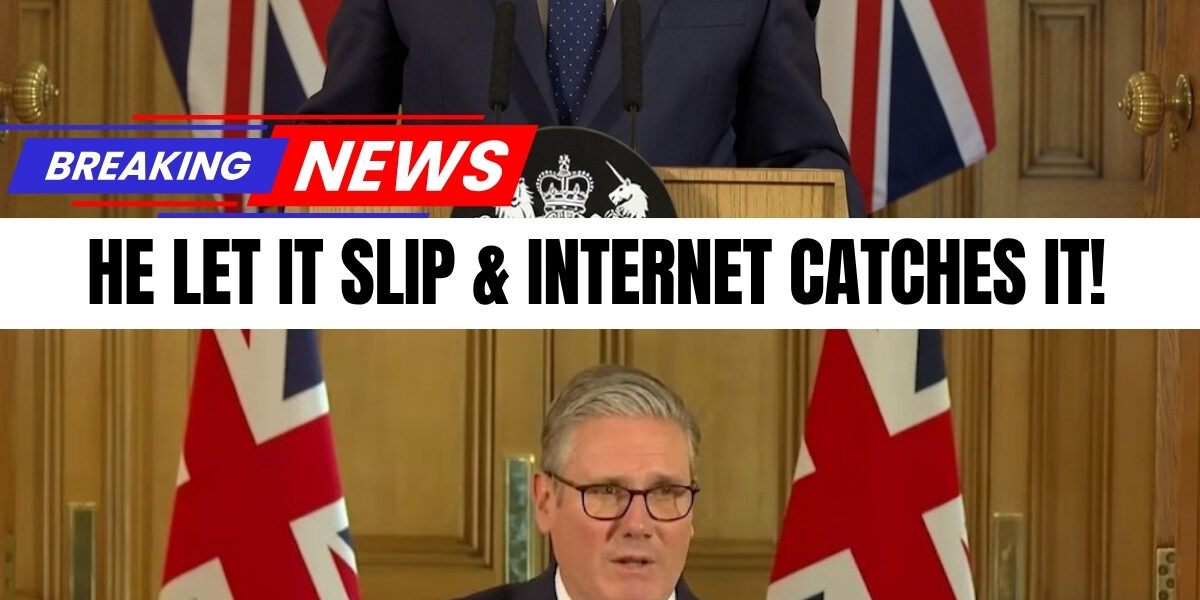
The Golders Green stabbing was NO accident—it was a systemic FAILURE that has left the nation in SHOCK! 🧨 A suspect with a violent 2008 history, already on the “Prevent” radar, and linked to foreign proxies… how was he allowed to strike?

The United Kingdom’s terrorism threat level has been thrust into the spotlight following a targeted stabbing attack in Golders Green, a prominent Jewish neighborhood in London. The incident has sent shockwaves through the capital, exposing deep political fault lines and triggering intense public backlash against Prime Minister Keir Starmer’s administration.

The Incident and Security Failures The attack, which left two innocent people wounded, has raised immediate national security alarms. According to emerging reports, the suspect—identified as a Somalian national—was allegedly known to counter-terrorism authorities. Sources circulating in the political sphere suggest the individual had previously been referred to the government’s Prevent program and was involved in a violent 2008 altercation that resulted in the stabbing of two police officers and a police dog.
The assault in Golders Green is reportedly linked by security analysts to a broader network of Iranian-backed proxy violence, raising urgent questions about the effectiveness of current border controls and the domestic surveillance of known extremists.
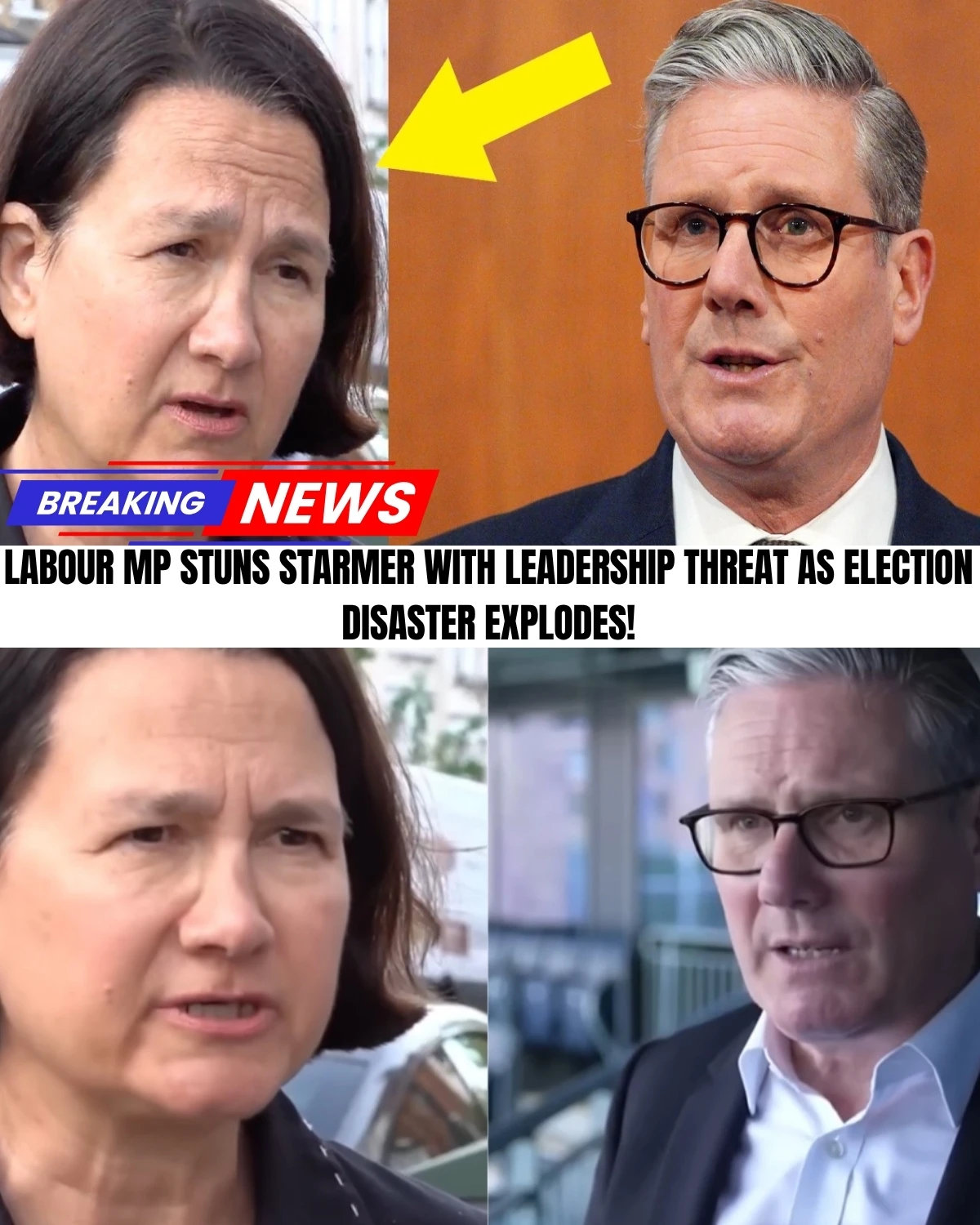
Prime Minister’s Visit Met With Fury In the aftermath of the attack, Prime Minister Keir Starmer visited Golders Green to address the community and survey the scene. However, his presence was met with fierce hostility. Video footage from the area showed the Prime Minister being widely mocked, heckled, and confronted by a furious crowd.
Residents and community leaders expressed profound betrayal, accusing the government of offering “empty rhetoric” while failing to secure their neighborhoods. Critics have pointed out that Starmer’s official statements—which condemned the violence but allegedly avoided naming specific ideological drivers—mirrored previous responses to similar tragedies, such as the Manchester incidents.
“The public feels abandoned,” noted one local observer. “There is a growing fear over the rising antisemitic attacks, online radicalisation, and the dangerous blurring of lines between political rhetoric and real-world violence.”
Accusations of Appeasement The political fallout has been swift and unforgiving. Street activists and right-wing political commentators, most notably Tommy Robinson, have launched blistering attacks on the Prime Minister. Robinson accused Starmer of “appeasement,” claiming the administration is deliberately avoiding strict counter-terrorism measures out of fear of sparking civil unrest or alienating specific voter bases.
“They’ve surrendered the safety of the public to appease hostile groups,” Robinson stated in a widely circulated public address. He argued that the current leadership is too cowardly to confront Islamic extremism and the infiltration of foreign terror proxies, warning that the nation is heading toward “one almighty collision” if definitive action is not taken.
Mass Mobilization: The May 16th Rally Capitalizing on the growing public outrage, Robinson has announced a mass demonstration scheduled for May 16th under the banner of “Unite the Kingdom.” The activist has called on citizens of all backgrounds—explicitly inviting the Jewish, Christian, and Hindu communities—to march in peaceful defiance of the government’s handling of national security.
In a bid to maintain order and control the movement’s optics, organizers have established strict rules for the upcoming rally:
-
No Face Coverings: Implemented to prevent infiltration by masked agitators.
-
Strictly Peaceful: Explicit bans on neo-Nazis, racists, and far-right extremists.
Organizers aim to replicate the sheer scale of the previous “Unite the Kingdom” march, which saw massive crowds flood the capital in defense of free speech and border security.
A Divided Nation As the investigation into the Golders Green attack continues, the Starmer administration faces a severe crisis of public confidence. The government must now navigate a highly volatile atmosphere, balancing the immediate need to reassure targeted communities with the looming political pressure of massive civil demonstrations planned for mid-May. All eyes remain on Downing Street to see whether the administration will shift its security strategy or continue to face the wrath of a deeply divided electorate.