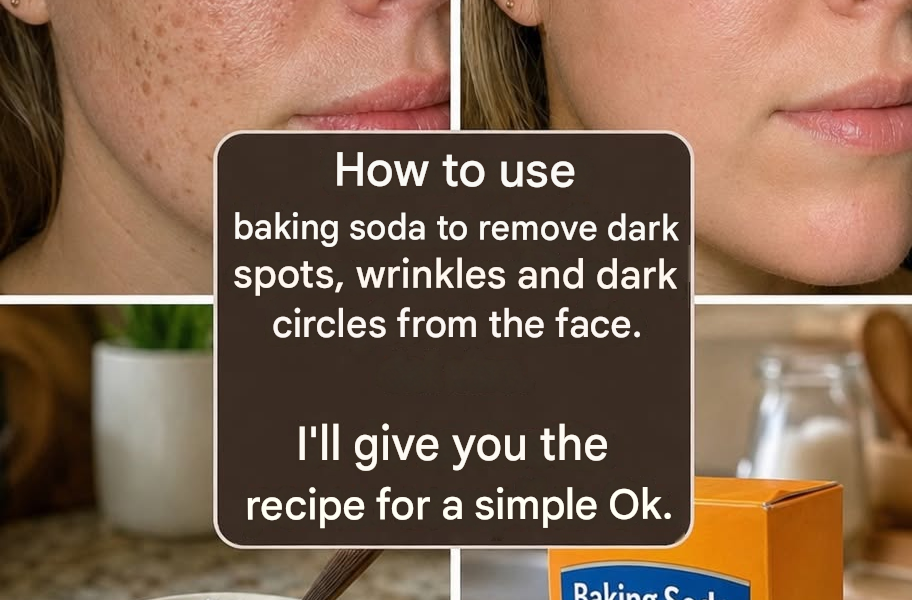
Baking soda on the face: benefits, risks, and safe ways to use it for healthier-looking skin. HYN

Baking soda on the face: benefits, risks, and safe ways to use it for healthier-looking skin
Dealing with dull skin, persistent blackheads, or a rough texture that keeps you avoiding mirrors and social media photos can be extremely stressful and affect your self-esteem every day. You try countless products hoping to achieve that natural glow, but nothing seems to work without costing a fortune or causing even more frustration. This is where the idea of using baking soda on your face comes in, an inexpensive ingredient found in almost every kitchen and one that many people are curious to try. But before you reach for that box, there’s important information that could make a difference in protecting your skin’s natural barrier.
In this guide, you’ll discover not only the potential benefits of baking soda on your face, but also the risks and the correct way to use it safely without damaging your skin.
 Why more and more people are using baking soda on their faces
The quest for glowing skin leads many people to try natural ingredients like baking soda when expensive creams fail. If you’ve spent hours researching skincare tips or battling blemishes that affect your confidence, baking soda may seem like a simple and inexpensive solution.
However, not all DIY trends are safe. Baking soda requires caution because it can cause more harm than good if used incorrectly.
The Science Behind Baking Soda on Your Face
Baking soda has an alkaline pH between 8 and 9, while the skin’s natural pH is slightly acidic, generally between 4.5 and 5.5. This balance helps maintain the skin’s protective barrier.
When you apply baking soda to your face, it can temporarily alter your skin’s pH, potentially causing problems if used excessively. Additionally, its slightly grainy texture acts as a physical exfoliant, helping to remove dead skin cells.
This explains why baking soda can give an immediate sensation of smooth skin, but cause problems in the long run if used too often.
Possible benefits of baking soda on the face
Some people report that baking soda helps:
• gently exfoliate the skin
• make the face brighter
• absorb excess sebum
• unclog clogged pores
• give an immediate sensation of freshness
Baking soda also has mild antibacterial properties, which is why some use it in the hope of achieving clearer skin.
However, these benefits can vary from person to person and are not without risks.
Risks to Know Before Using Baking Soda on Your Face
Although it may seem harmless because it is a common household product, bicarbonate can alter the delicate balance of the skin and cause:
• dryness
• redness
• irritation
• increased sensitivity
• micro-lesions due to the abrasive action
For this reason, many dermatologists advise caution and suggest using it only occasionally and always well diluted.
3 safe baking soda recipes for your face
- Classic baking soda paste
Mix:
• 1 teaspoon baking soda
• 2-3 teaspoons water or mild detergent
Apply with gentle circular motions for about a minute, avoiding the eye contour.
- Mix with honey for a calming effect
Mix:
• 1 teaspoon of baking soda
• 1 tablespoon of natural honey
Leave it on for 3 minutes and rinse with warm water.
- Oil Mix for Dry Skin
Mix:
• 1 teaspoon baking soda
• 1 teaspoon coconut or almond oil
Massage gently and rinse well.
Baking soda vs. chemical exfoliants
Baking soda:
• very low cost
• physical exfoliation
• greater risk of irritation
• occasional use
AHA/BHA:
• medium-high cost
• more delicate chemical exfoliation
• lower risk if chosen correctly
• use 2-3 times a week
Golden rules for using baking soda safely
 Always do a patch test
Use sunscreen every day
Stop immediately if you feel burning or redness
Do not use more than once a week
How to use baking soda correctly on your face
- Wash your face with a gentle cleanser
- Make the mix fresh every time
- Apply with light movements
- Rinse well with warm or cool water
- Apply a moisturizer after treatment
Conclusion
Baking soda on your face can be an interesting addition to your skincare routine when used correctly and in moderation. Understanding the benefits and risks helps you make more informed choices for your skin’s health.
Remember that gentle skincare and pH-balanced products often offer better long-term results than harsh DIY remedies.
FAQ
How often can I use baking soda on my face?
Most experts recommend no more than once a week.
Does baking soda help with acne?
It may help temporarily, but it may irritate acne-prone skin.
Can it replace a regular exfoliant?
Generally, no, because its alkaline pH can be too harsh.
Disclaimer:
This article is for informational purposes only and does not replace medical advice. Always consult a dermatologist or qualified healthcare professional before trying new skincare ingredients, especially if you have sensitive skin or specific skin conditions.