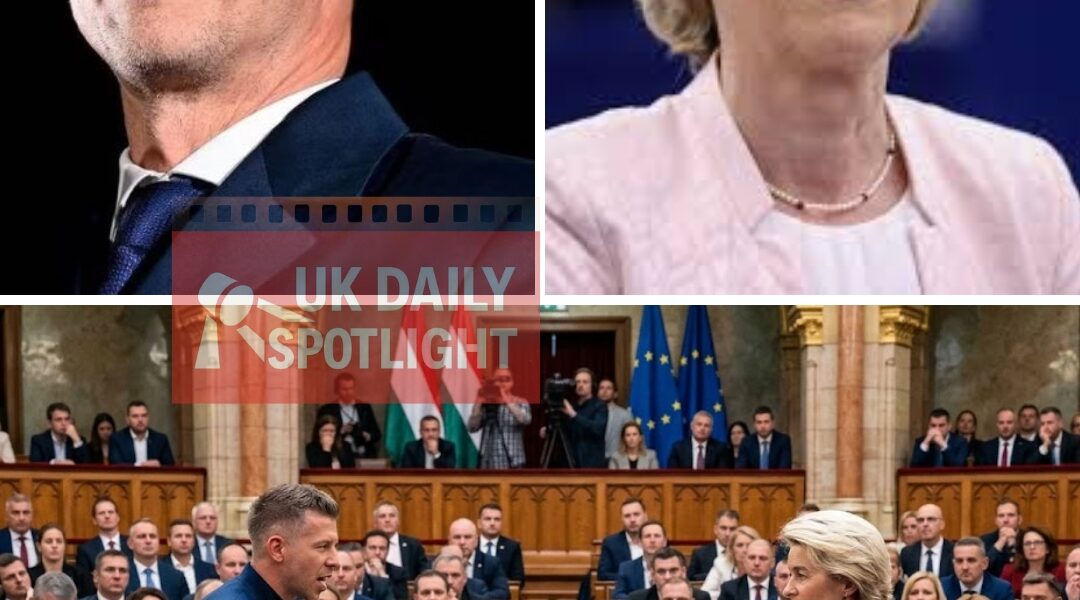
HUNGARY SIGNALS ESCALATION IN STANDOFF WITH EU OVER POLICY DIRECTION AND SOVEREIGNTY DEBATE

Hungarian leadership has expressed deep dissatisfaction with certain EU policy frameworks, particularly those related to migration governance and supranational decision-making authority.
According to official statements, Hungary is calling for immediate changes to existing EU approaches, arguing that current policies place excessive pressure on national sovereignty.
The tone of recent communications has been notably firm, reflecting growing frustration over long-standing disagreements between Budapest and Brussels.
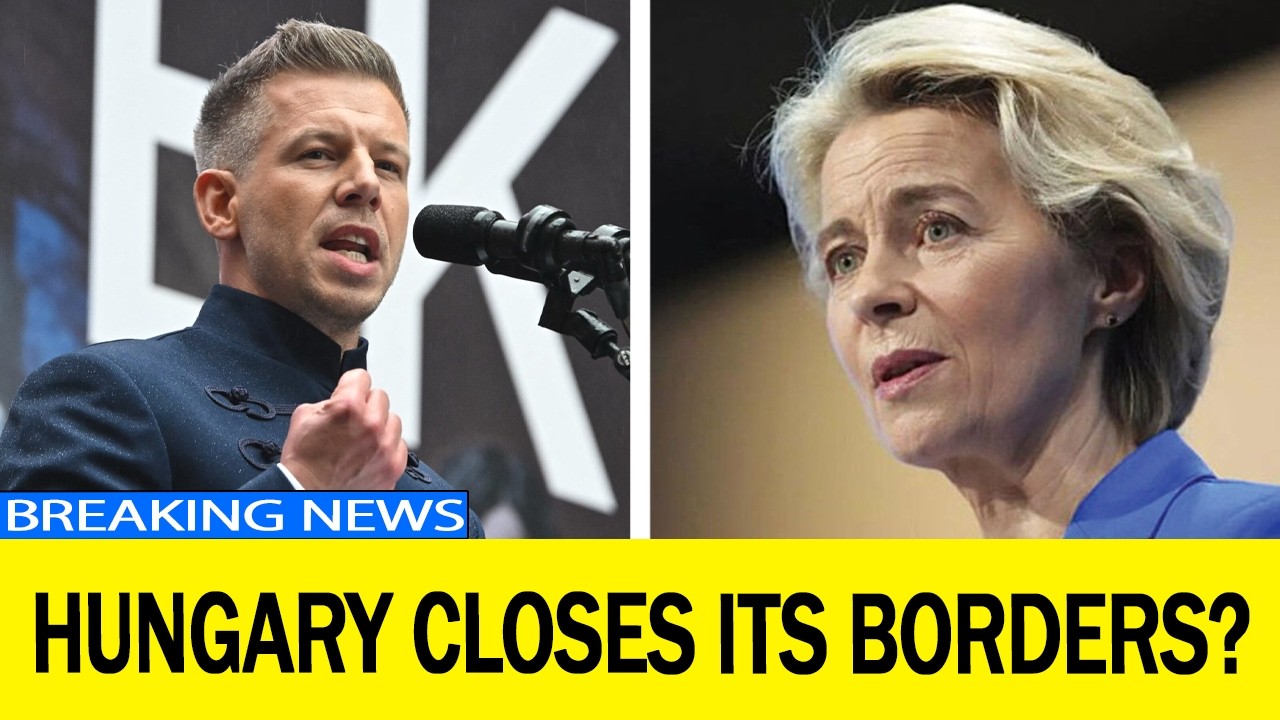
The European Union, for its part, has maintained that its policies are designed to ensure coordination among member states and uphold shared legal and institutional standards. EU representatives have reiterated the importance of unity and collective decision-making in addressing cross-border challenges.
At the heart of the dispute lies a broader debate over the balance between national autonomy and EU-wide regulatory alignment. Hungary has consistently advocated for stronger control over domestic policy areas, while EU institutions emphasize compliance with agreed frameworks as a condition of membership.
Observers note that the latest escalation marks a significant increase in rhetorical pressure, with language suggesting that Hungary may consider more drastic steps if its concerns are not addressed. However, no formal procedures regarding withdrawal from the EU have been initiated.

Political analysts caution that such standoffs are not uncommon within the European Union, where differing national interests often lead to periods of negotiation and tension. Nevertheless, the current situation is being closely monitored due to its potential implications for EU cohesion.
Migration policy remains one of the most contentious issues, with Hungary taking a particularly restrictive stance compared to several Western European states. This divergence has repeatedly placed Budapest at odds with EU-level proposals and initiatives.
Economic considerations also play a significant role in the dispute, as Hungary continues to benefit from EU membership while simultaneously challenging certain policy directives. This dual dynamic adds complexity to ongoing negotiations between the two sides.

EU officials have emphasized that dialogue remains the preferred path forward, urging continued engagement rather than escalation. Behind the scenes, diplomatic channels are reportedly active as both sides seek to manage the disagreement without further institutional strain.
As the situation develops, attention is focused on whether compromise can be reached or whether the rhetoric will translate into more concrete political steps. For now, the standoff underscores persistent divisions within the European project and the ongoing challenge of balancing unity with national sovereignty.