Inside the Budapest Shockwave: JD Vance’s Speech That Put the EU on the Defensive and Reignited Europe’s Sovereignty Battle

The political atmosphere in Europe was shaken after a highly charged speech delivered in Budapest by US Vice President JD Vance, where he made direct and controversial accusations against the European Union.
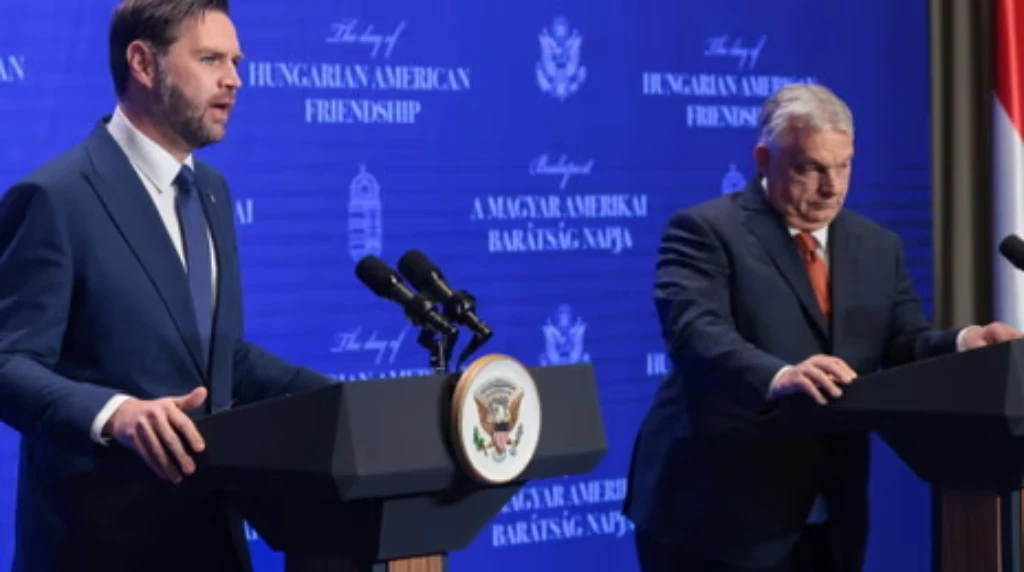
Speaking alongside Hungarian Prime Minister Viktor Orbán, Vance framed his remarks as a defense of national sovereignty, warning that EU institutions were overstepping their role in member states’ domestic affairs.
At the center of his speech was the claim that Brussels is deliberately undermining Hungary’s economy. He argued that EU policy decisions have contributed to rising energy costs and economic pressure within Hungary, particularly under Orbán’s leadership.
Vance also accused EU officials of political interference, suggesting that actions taken from Brussels amount to indirect influence over democratic processes in member states. He specifically criticized what he described as external pressure shaping information flows and public debate.
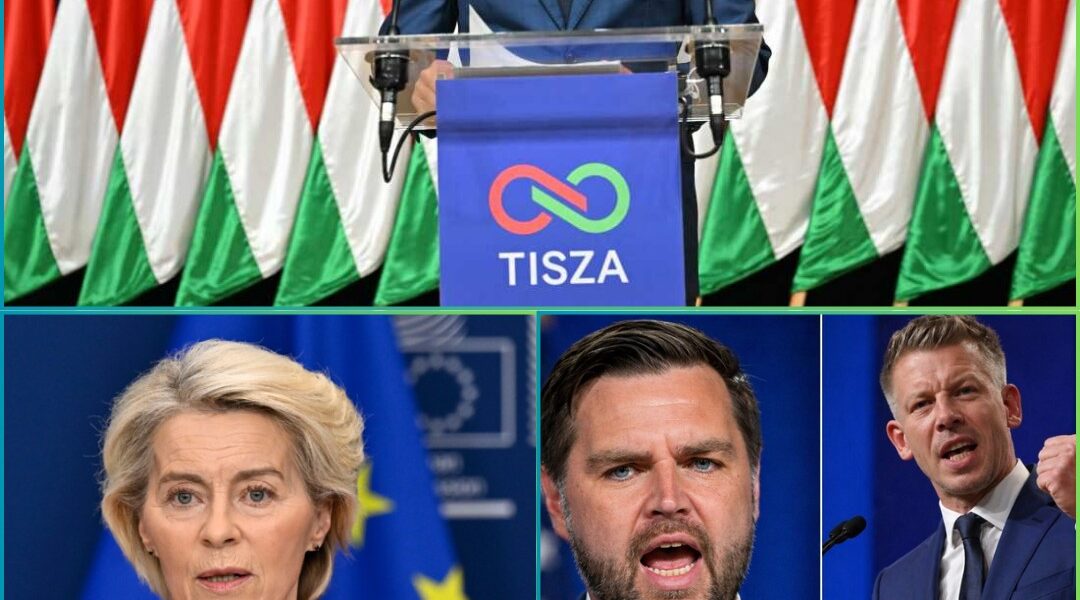
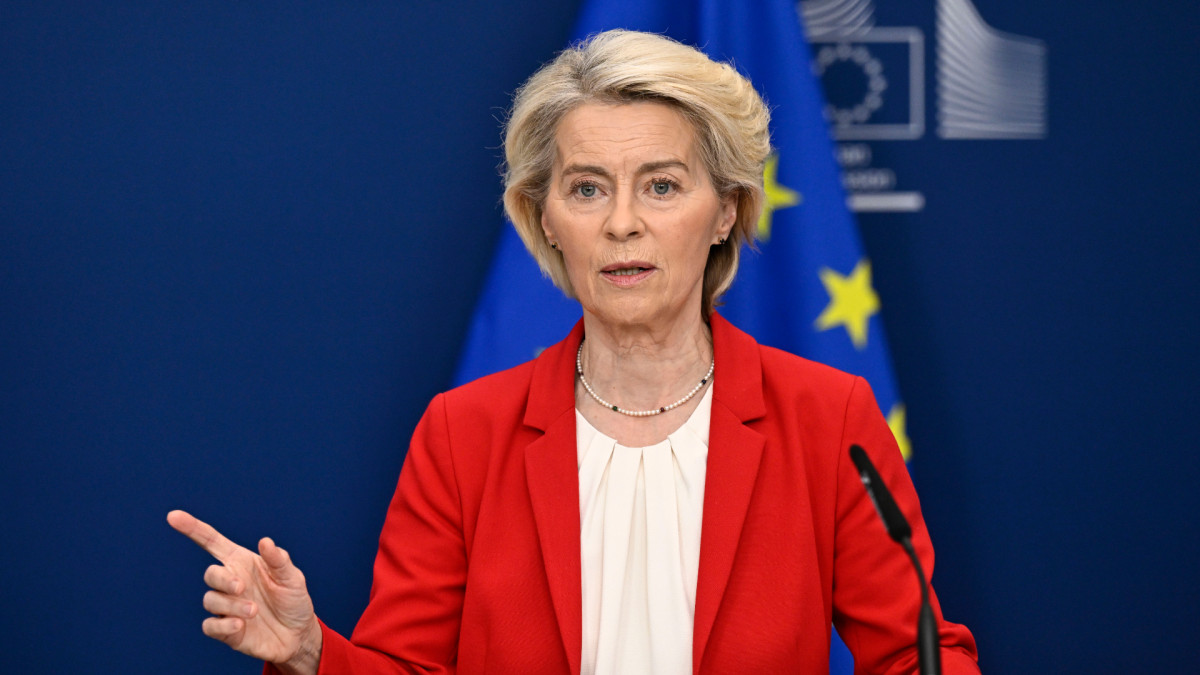
A major point of contention in his remarks was the alleged targeting of Hungarian policies by EU leadership, including European Commission President Ursula von der Leyen. Vance claimed these tensions stem from ideological disagreements over migration, energy policy, and national autonomy.
The Vice President’s comments were delivered in strong terms, calling the situation in Hungary an example of broader resistance against what he described as centralized bureaucratic influence from Brussels.
He emphasized that Hungary remains a sovereign nation and argued that its citizens should determine their own political and economic direction without external pressure or influence from supranational institutions.
The speech also highlighted growing divisions within Europe itself, referencing leaders such as Italian Prime Minister Giorgia Meloni, who have increasingly challenged EU policy direction on sovereignty and national priorities.
Observers noted that Vance’s remarks align with a broader geopolitical shift in which the United States, under Donald Trump, has taken a more explicit stance in support of nationalist governments within Europe.
Supporters of the speech argue that it reflects legitimate concerns about democratic accountability and the balance of power between Brussels and member states. Critics, however, view it as an escalation in transatlantic political interference.
The EU has not formally responded in detail to the specific accusations, but officials in Brussels have consistently rejected claims of economic sabotage or election interference, maintaining that EU policy is based on collective agreement among member states.

Meanwhile, the speech has already intensified political debate across Europe, with supporters of stronger national sovereignty praising Vance’s remarks and pro-EU voices warning that such rhetoric risks deepening divisions within the bloc.
As reactions continue to unfold, the Budapest speech is being widely interpreted as more than just a diplomatic statement. It is increasingly seen as part of a larger ideological struggle over the future structure of Europe itself.
Whether it becomes a turning point in EU–US relations or simply another flashpoint in ongoing political tensions, the message from Budapest has already achieved one clear outcome: it has forced a difficult conversation about power, sovereignty, and the future of the European project.