Labour Chair asks FCA to investigate whether Farage’s crypto advocacy broke financial promotion rules.H

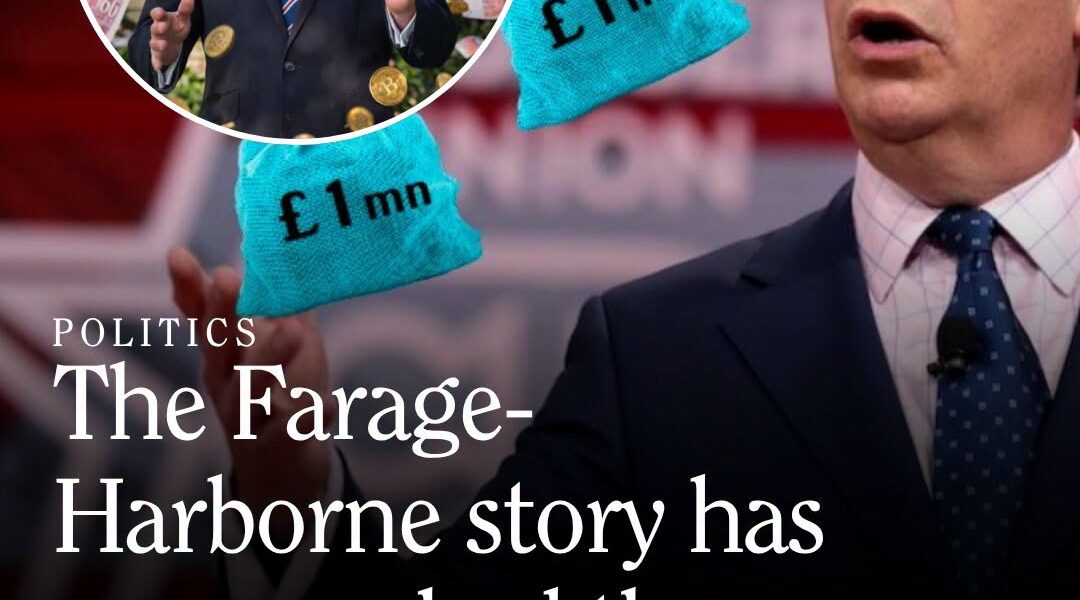
The Farage-Harborne story has now reached the Financial Conduct Authority. Labour Party Chair Anna Turley has written to FCA chief executive Nikhil Rathi calling for an investigation into whether Nigel Farage’s public advocacy for cryptocurrency and stablecoins – conducted while receiving millions from a man with significant financial interests in exactly those assets – amounts to a regulated financial promotion without proper disclosure.
The letter, published on 24 June, is being released to the media simultaneously. Its central argument is precise: Farage lobbied the Bank of England against the digital pound and directly namechecked Tether – the stablecoin in which Christopher Harborne holds a significant stake – while publicly praising it and calling for policies that would directly benefit its growth. He did this in the weeks that Tether was pursuing a fundraising round.
What the letter says
Turley sets out the timeline in detail. In September 2025, the day before a meeting with Bank of England Governor Andrew Bailey, Farage gave an LBC interview in which he namechecked Tether directly, described it as “about to be valued as a $500 billion company,” attacked Bailey’s proposal to limit stablecoin holdings to £10,000 per person, and said Britain should “get with the 21st century” on crypto. He called for the UK to become a global centre for cryptoasset activity.
At that meeting, Farage told Bailey he regarded the Bank’s plans for a digital pound – “Britcoin” – with “total and utter horror” and urged him to scrap it. A Bank of England digital currency would directly compete with private stablecoins like Tether, reducing demand for them. Harborne, the Thailand-based billionaire who gave Farage £5m personally and has donated more than £25m to Reform, is a major Tether shareholder. Killing Britcoin is worth billions to him.
Turley’s letter asks the FCA to consider four specific questions: whether any of Farage’s stablecoin communications amount to an invitation or inducement to engage in investment activity; whether the cryptoasset financial promotion regime applies; whether sufficient disclosure was made of his material financial interests; and whether wider consumer protection or market integrity concerns arise.
Farage’s defence – and its limits
When Nick Robinson pressed Farage on BBC Radio 4 Today on 23 June about the connection between the gift and his crypto advocacy, Farage said: “I want government and the Bank of England to change their policy on cryptocurrency. I have done for years. I’ve been saying this consistently since 2019.”
Turley addresses this directly in the letter, noting that the argument actually reinforces rather than deflects the concern: “Mr Farage and Mr Harborne have had a relationship since at least 2019. In that year, Mr Harborne first started donating to The Brexit Party; in that year Mr Harborne reportedly had a desk in Brexit Party HQ; and that year Mr Harborne reportedly became concerned about Mr Farage’s security after campaigning with him.”

In other words, the longer the relationship goes back, the more relevant the question of whether the £5m gift – and the subsequent policy advocacy – formed part of a connected arrangement becomes. Farage has consistently maintained the gift was personal, unconditional and unconnected to politics. He has refused to say how much he has spent on security, calling questions about it “none of your business.”
The regulatory landscape
The FCA referral adds a new dimension to a story that already involves a formal Parliamentary Standards investigation, 17 disclosure rule breaches already recorded by the parliamentary watchdog, and a contempt of court referral to the Attorney General over separate matters. The Bribery Act question – whether the £5m gift, followed by lobbying that benefited the donor, constitutes a corrupt arrangement – remains open. No criminal charges have been brought and Farage denies any wrongdoing.
What the FCA referral specifically addresses is whether Farage’s public statements about Tether – made during a period when the company was raising funds, while he was receiving money from one of its major shareholders – meet the threshold for regulated financial promotions under UK law. Under the Financial Services and Markets Act 2000, communicating an invitation or inducement to engage in investment activity is a regulated activity requiring either FCA authorisation or appropriate exemption. If such an exemption does not apply, and proper disclosure was not made, the consequences can include criminal liability.
The political context
The letter lands as the full timeline of the Farage-Harborne relationship is receiving sustained scrutiny. The sequence – gift, parliamentary candidacy, election, property purchase, Bank of England lobbying, public praise for Tether during its fundraising round – is now a matter of public record. James O’Brien noted this week that Farage was the owner of Reform UK when he received the £5m, making his claim that he “wasn’t in politics” at the time extremely difficult to sustain. Kemi Badenoch has written that “nobody gets £5m in their pocket for nothing.”
The FCA will now make its own assessment of whether the regulatory question Turley has raised has merit. Farage has not yet responded to the specific allegations in the letter. The FCA has not commented publicly on whether it intends to investigate.
-
Jordon Scott is a digital media specialist and editor at The Daily Britain. He focuses on political coverage, platform strategy, and ensuring journalism remains accessible without compromising editorial standards.
He oversees publication structure, reach, and transparency across the site.