The Primal Scream in London: How Urban Design, Social Pressure, and Hidden Systems of Power Shape the Architecture of Manufactured Rage on Modern City Streets.

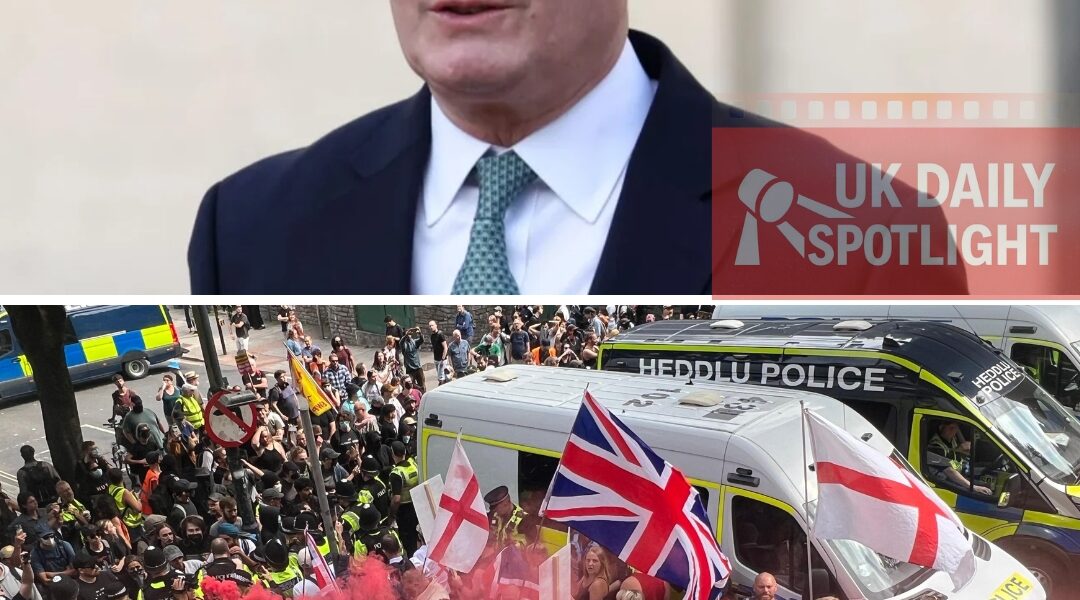
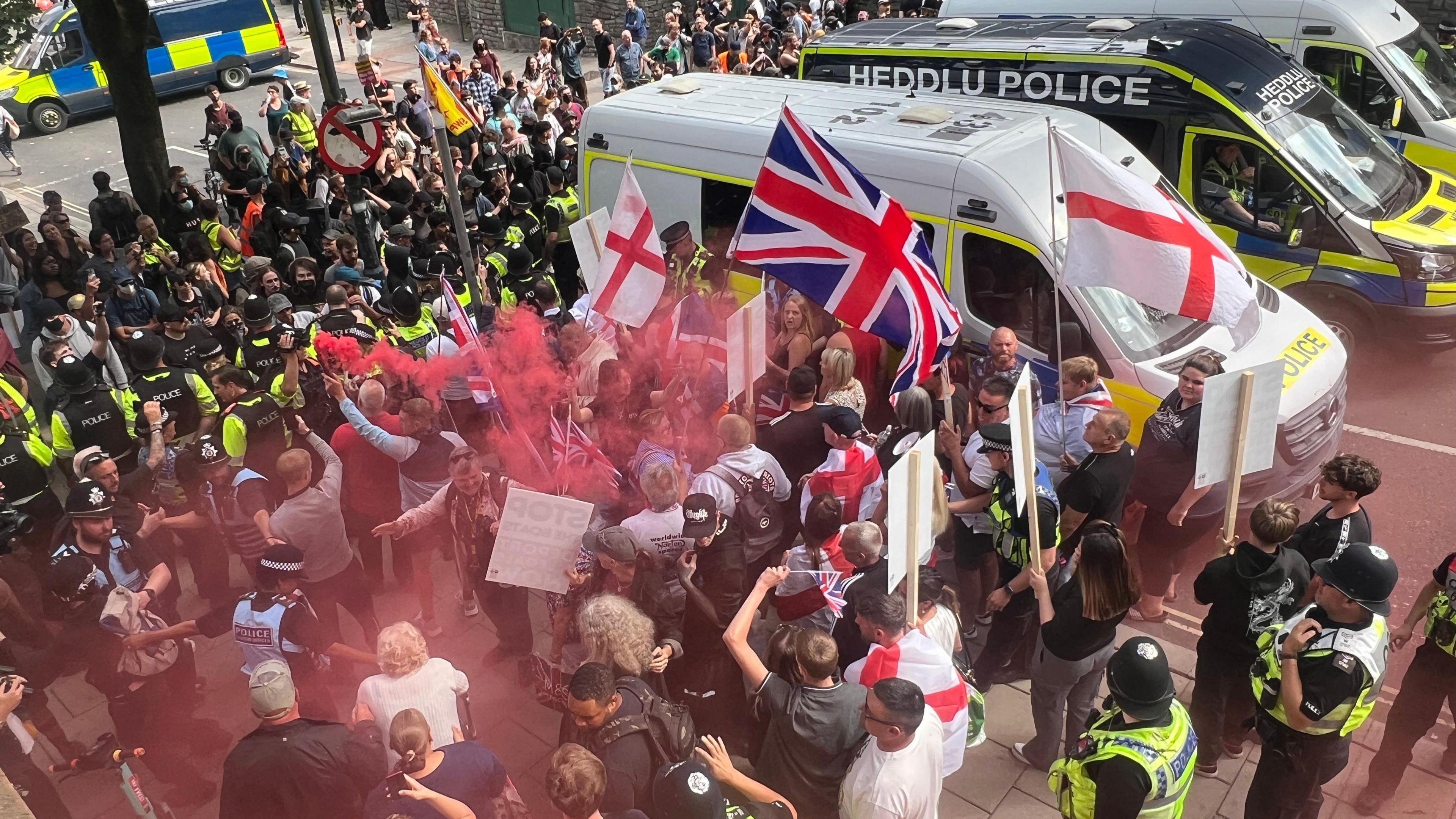
The scene at a recent public appearance by Prime Minister Keir Starmer and London Mayor Sadiq Khan was not merely a political engagement gone wrong; it was a visceral manifestation of a social contract in freefall. Captured in a series of shaky, high-definition videos that have since been weaponized by digital algorithms, the encounter saw a chorus of “British lads” erupting in what observers described as “uncontrollable rage.” For those on the pavement, the shouting was a demand for accountability; for those on the stage, it was a terrifying glimpse into a fractured electorate that no longer speaks the language of the Westminster consensus.
The grievances leveled at the two leaders are as varied as they are intense. For Mayor Khan, the anger centers on a perceived prioritization of environmental optics—most notably the ULEZ expansion—over the grit of daily survival. Critics argue that his focus on “green” initiatives has left the working class feeling financially targeted while more visceral threats, like the surge in street crime and “feral” youth gangs, go unchecked. Meanwhile, Prime Minister Starmer faces a different kind of crisis: a perceived void of conviction. Once hailed as a steady hand for the Labour Party, he is now frequently caricatured as a leader governed by focus groups rather than vision, a politician whose identity shifts with the prevailing winds of political convenience.
The Economy of Dominance
However, to view this “primal scream” purely as an organic political protest is to miss the machinery behind it. We are currently witnessing the rise of a “street debate” economy—a digital marketplace where truth is secondary to the manufacture of dominance. In this genre of political theater, a two-minute clip of a leader being heckled isn’t just news; it is a proof of moral hierarchy. The goal is not to test ideas, but to test nerves, forcing complex social issues into a binary of “us versus them” that can be replayed, shared, and monetized across social media platforms.
The rhetoric of “peace vs. violence” often serves as a convenient shortcut in this landscape. It forces complicated cultural and faith traditions into a single, loaded question delivered under the pressure of a camera lens and a shouting crowd. This isn’t democratic engagement; it is a performance designed to provide a “permission slip” for distrust. By suggesting that the “BBC and Westminster are terrified,” creators of this content allow their audience to ignore any fact or nuance that might contradict the emotional high of the viral moment.
The Incentive of Conflict
The reality is that the current incentive structure of internet politics rewards certainty over nuance and humiliation over understanding. Algorithms are fine-tuned to detect spikes in conflict, pushing rage-inducing content to the top of the feed while quiet, structural discussions about housing or wages are buried. In this environment, the “peace narrative” hasn’t collapsed so much as the public’s attention span has been pushed off a cliff. When we are busy judging a two-minute shouting match, we are not asking harder questions about the systemic failures of healthcare or foreign policy.
Politicians, for their part, often find a quiet utility in this division. A public split into two screaming camps is a public that is too distracted to coordinate a meaningful challenge to the status quo. By allowing the “far-right” moniker to be applied to anyone with neighborhood safety concerns, or by dismissing valid criticisms as “phobias,” the political elite can retreat into their own echo chambers, insulated from the raw frustration of the people they serve. This cycle of labeling and deflection only ensures that the “boiling point” remains perpetually just below the surface.

The Mirror of the Margin
The scenes in London are a mirror of a broader civilizational awakening occurring across the West. Whether it is the “Returns Regulation” in Brussels or the “Carney Consolidation” in Canada, there is a mounting demand for leaders who are authentic, transparent, and—above all—present. The era where bureaucratic paralysis could be masked by carefully curated narratives is ending. The people are finding their voices again, and while those voices are often loud and unrefined, they represent a rejection of an elite condescension that has pathologized the concerns of ordinary citizens for too long.
As the political landscape shifts toward 2026, the question is no longer whether Starmer or Khan can survive a heckling. The question is whether the institutional structure of British politics can absorb this level of rage without breaking. If leaders continue to operate within their own ideological silos, the “clarioн call” for change will only grow more primal. The demand for accountability is not a fleeting moment of anger; it is a systemic requirement for a healthy democracy, and it cannot be addressed through £30 million pledges for youth clubs or sophisticated rhetorical maneuvers.

Conclusion: Beyond the Two-Minute Clip
Ultimately, the events of this week signal that the public is tired of being treated as jurors in a manufactured digital trial. They are looking to be treated as citizens of a nation that values their safety, their culture, and their economic security. The “uncontrollable rage” seen on the streets is the sound of a social contract being renegotiated in real-time, often without the consent of the people sitting in the grand offices of Whitehall.
History does not reward those who hide behind labels or wait for the “noise” to die down. It rewards those who recognize the moment and act with genuine vision. If the current leadership fails to listen to the chorus of discontent, they may find that the future of British politics is being written not in the halls of Parliament, but on the very streets they are currently afraid to walk. The strongest closing line for this era of politics isn’t about who “won” the debate; it’s about whether we have any common ground left upon which to build a future.
How can political leaders regain the trust of a public that has become habituated to a digital ecosystem that prioritizes emotional outrage and “gotcha” moments over substantive policy discussion?