Three MPs Raise Points of Order Challenging Conduct of Prime Minister Keir Starmer at PMQs.

London, 12 April 2026 – During Prime Minister’s Questions in the House of Commons, three Conservative MPs raised successive points of order criticising the manner in which Prime Minister Keir Starmer responds to questions. The exchange, which occurred towards the end of the session when the chamber was beginning to empty, highlighted ongoing concerns about accountability and the purpose of the weekly scrutiny mechanism.
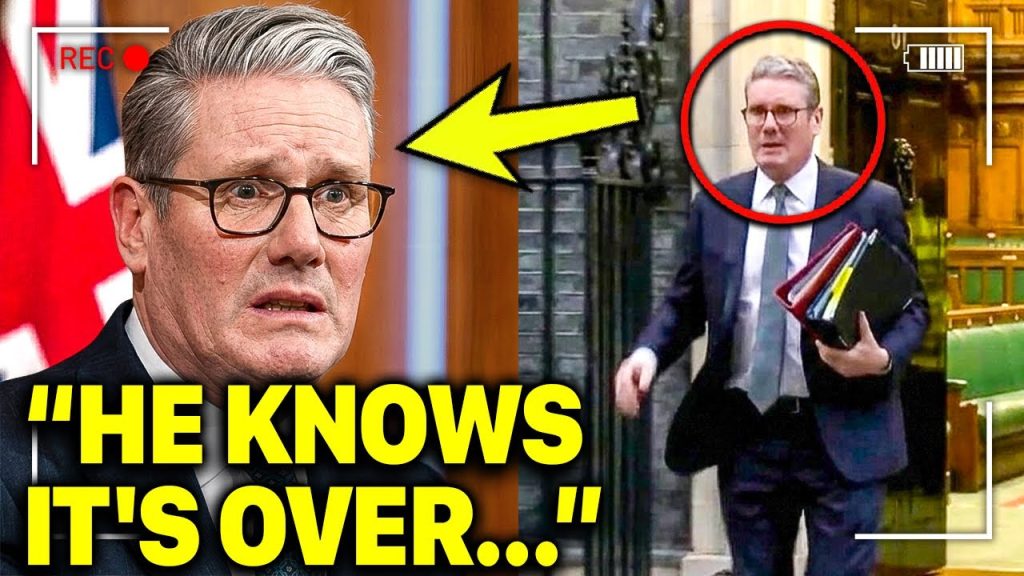
Sir Julian Lewis, a long-serving MP who entered Parliament in 1997, opened the discussion by asking the Speaker to clarify, for the benefit of the House and the public, the fundamental purpose of Prime Minister’s Questions. He stated that it is intended to allow the opposition and other honourable members to ask the Prime Minister a question on a subject of their choice. Sir Julian argued that it is not for the Prime Minister to berate members for failing to ask about a different subject that he would have preferred.
The Speaker interjected briefly, noting that this was not a valid point of order. Undeterred, Paul Holmes rose on a further point of order. While acknowledging the Speaker’s previous rulings as “always perfect and completely right,” he suggested that Parliament appeared to be entering a new period in which the Prime Minister answers questions on topics that were not asked and then redirects criticism towards the opposition front bench.
Mr Holmes inquired about available parliamentary mechanisms and the appropriate channels to pursue potential reform of the Standing Orders. He asked whether changes could be made to grant the Speaker greater authority to determine what constitutes a proper answer and what amounts to an irrelevant response. He described the current situation as revealing “a real weakness” because it assumes the respondent always understands the question put to them.
Sir John Hayes then intervened, citing Erskine May, the authoritative guide to parliamentary practice. He noted that ministers attend the House to answer questions and argued that, while the Standing Orders may need refining, their existing purpose — for daily sessions and especially the Prime Minister’s weekly appearance — is already clearly defined.

The Speaker responded by stating that the members were continuing a debate to which he had already provided answers, and concluded the discussion with the words: “I think we’ll leave it at that.”
The points of order reflected a broader frustration among some MPs that Prime Minister Starmer frequently evades direct answers or shifts the focus of questions. The three MPs emphasised the importance of genuine representation and accountability in the chamber, arguing that repeated evasion undermines the core function of Prime Minister’s Questions.
The Speaker maintained throughout that he bears no responsibility for the quality or relevance of ministerial or prime ministerial answers, a position he has reiterated on previous occasions. However, the MPs’ interventions highlighted a perceived gap between the formal rules and the practical expectations of parliamentary scrutiny.
The episode has drawn attention to the procedural limitations faced by the Speaker in enforcing relevance during high-profile sessions. While the Speaker can rule on points of order, he does not have explicit power under current Standing Orders to compel a direct response to every question.
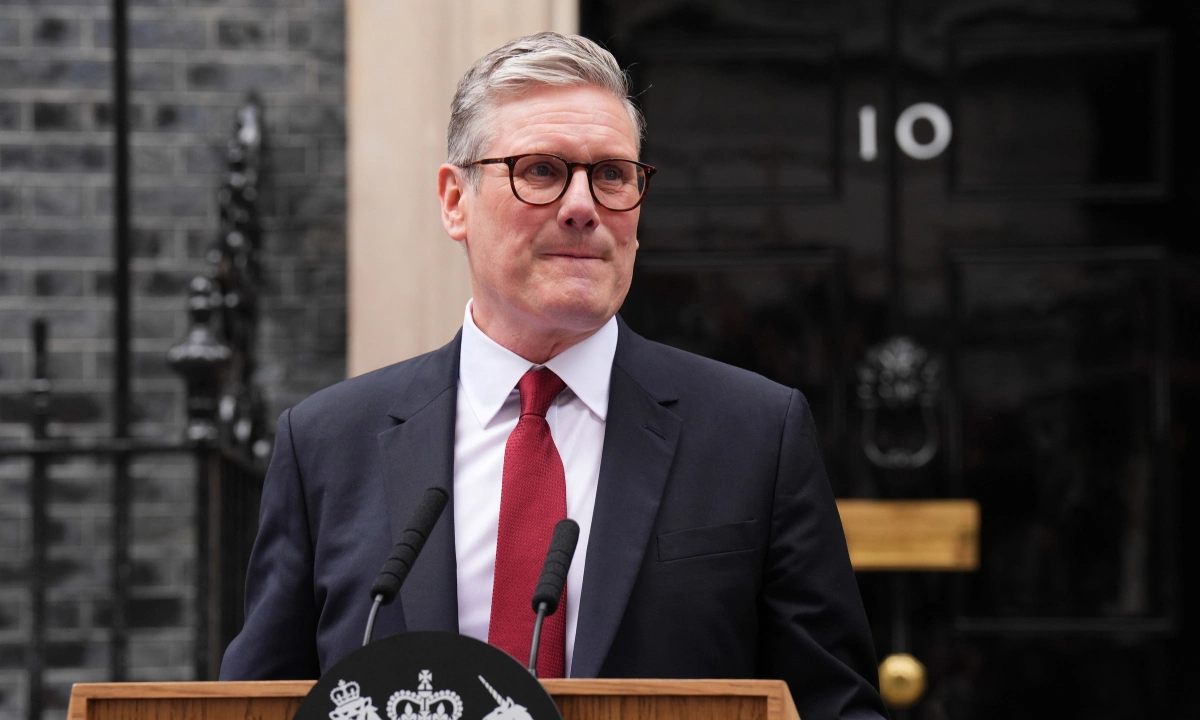
Critics of the government’s approach argue that consistent deflection damages public trust in the democratic process and leaves constituents feeling unrepresented. Supporters of the Prime Minister maintain that robust exchanges are a normal feature of adversarial politics and that policy substance should take precedence over procedural complaints.
The discussion also touched on the evolving nature of parliamentary debate, with some members suggesting that Prime Minister’s Questions has increasingly become a platform for prepared attack lines rather than genuine question-and-answer scrutiny.
As the session concluded, the three points of order underscored a deeper unease about the effectiveness of one of Parliament’s most visible accountability mechanisms. The Speaker’s decision to bring the matter to a close without further elaboration left several procedural and substantive questions unaddressed.
The incident has once again placed the conduct of Prime Minister’s Questions under examination. Whether it prompts any formal review of Standing Orders or remains an isolated expression of discontent is not yet clear.

The broader issue of governmental accountability at the dispatch box continues to generate debate within Westminster. At present, the tensions highlighted during the session remain unresolved, and the matter is likely to fuel ongoing discussion about the balance between robust political exchange and meaningful parliamentary scrutiny.