Westminster is in total MELTDOWN as the small boats crisis hits a terrifying new peak! Reform UK just dropped a NUCLEAR proposal to stop the influx—withdraw from the ECHR and start mass deportations NOW!

A heated debate recently unfolded on British television, highlighting profound disagreements between the Labour Party, the Conservative Party, and Reform UK regarding the illegal immigration crisis in the English Channel. The confrontation centered on the effectiveness of cooperation agreements with France, proposals for mass deportations, and the potential withdrawal from the European Convention on Human Rights (ECHR).

1. Sharp Criticism from Reform UK
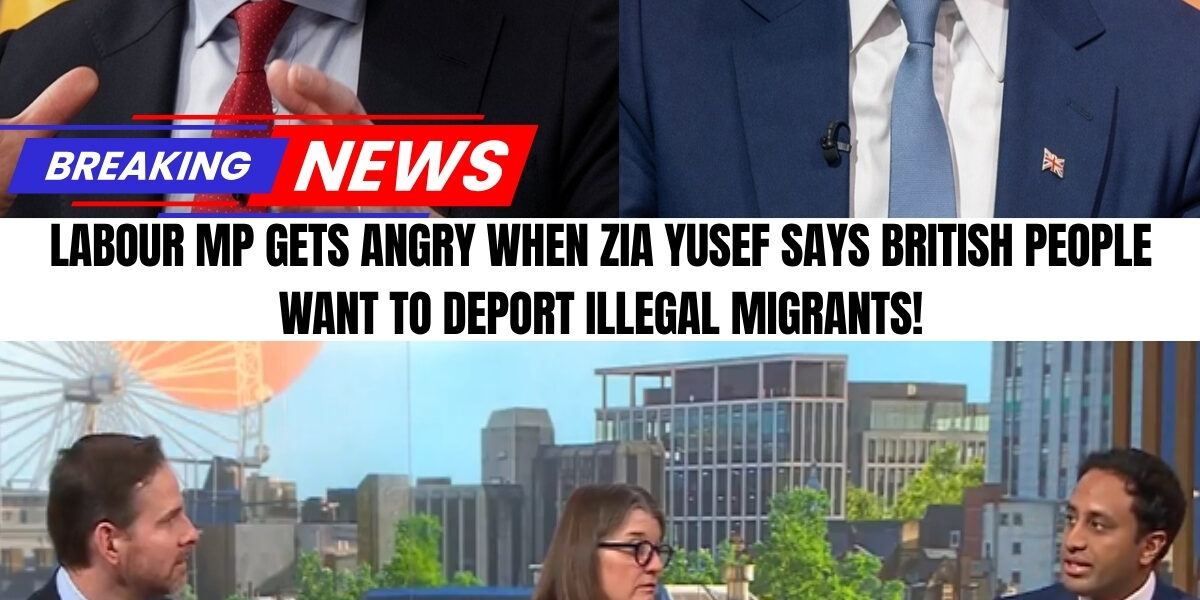
Representing Reform UK, Zia Yusuf issued a scathing critique of both the ruling Labour Party and the Conservatives for failing to implement tough measures to secure the borders. Yusuf pointed out that despite Prime Minister Keir Starmer’s promises to “smash the gangs,” the number of illegal arrivals via small boats has reached record levels under the current government.
Reform UK called for an immediate halt to the hundreds of millions of pounds in financial aid sent to the French government, arguing that these funds have yielded no practical results as nearly 200,000 people have arrived illegally. Yusuf argued that instead of relying on negotiations with France, the UK must act unilaterally:
-
Withdraw from the ECHR.
-
Exit the 1951 Refugee Convention.
-
Implement a policy of immediate detention and deportation for anyone entering illegally.
-
Review all asylum claims from the past five years and revoke the residency rights of those who entered the country unlawfully.
2. The Labour Response: Defending International Cooperation
Responding to the attacks, a Labour MP defended the government’s strategy, asserting that there is no “silver bullet” to resolve the immigration issue instantly. He emphasized that cooperation with France is producing progress, citing that 42,000 crossings have been prevented thanks to existing agreements.
The Labour representative dismissed Reform UK’s plan as “completely unrealistic,” particularly the suggestion of ICE-style mass deportation campaigns. He questioned the feasibility of negotiating the return of refugees to countries like Afghanistan or Iran, which are under the control of the Taliban and the Ayatollah, respectively. Furthermore, he warned that withdrawing from the ECHR and abandoning European judicial cooperation mechanisms would only worsen border control, similar to the barriers that emerged post-Brexit.
3. The Conservative Stance: Reviving the Rwanda Plan
From the Conservative side, representatives rejected Reform UK’s simplified solutions, maintaining that the asylum process is far more complex. The Conservatives reaffirmed their position: stopping the influx at the source by reviving the Rwanda Plan, which was scrapped by the Labour government. They also highlighted that they had amended laws before leaving office to ensure that those arriving illegally would not be granted asylum in the future, though they rejected the idea of retrospectively stripping rights from those who had already been legally processed.
Analysis and Implications
This debate reflects the immense political pressure facing Prime Minister Keir Starmer’s government ahead of upcoming local elections. Border control remains one of the most divisive subjects in the UK. While Labour strives to maintain a moderate approach based on international law and bilateral cooperation, the rise of hardline views from Reform UK reflects growing voter impatience with uncontrolled immigration. These deep-seated disagreements suggest that the UK is still far from finding a consensus on how to resolve the small boats crisis in the English Channel.