The Golders Green attack just triggered a total political WAR! 🧨 Two victims down, and a suspect with a terrifying criminal past… but the real chaos is just beginning.

The terrorist stabbing in Golders Green two days ago has not only shocked the British public but has also ignited a profound political debate. The core issues now revolve around the limits of the right to protest, the methodology of police counter-terrorism tactics, and the interference of politicians in law enforcement operations.
The Attack and the Police Decision to Use Force
According to scene reports, a suspect used a knife to critically wound two civilians on the street. Disclosed information reveals the suspect is a repeat offender with a criminal record that includes stabbing a police officer and a service dog.
During the apprehension, security forces faced a high-risk scenario. Even after being brought to the ground, the attacker refused to drop his knife or cooperate. Notably, the suspect was carrying a backpack and wearing a puffer jacket, sparking immediate fears among officers that he might be concealing an explosive device. In this urgent situation, police were forced to employ “extreme force”—including kicking the suspect in the head—to disarm him and ensure the absolute safety of the surrounding area.
Conflicting Political Views and the Right to Protest
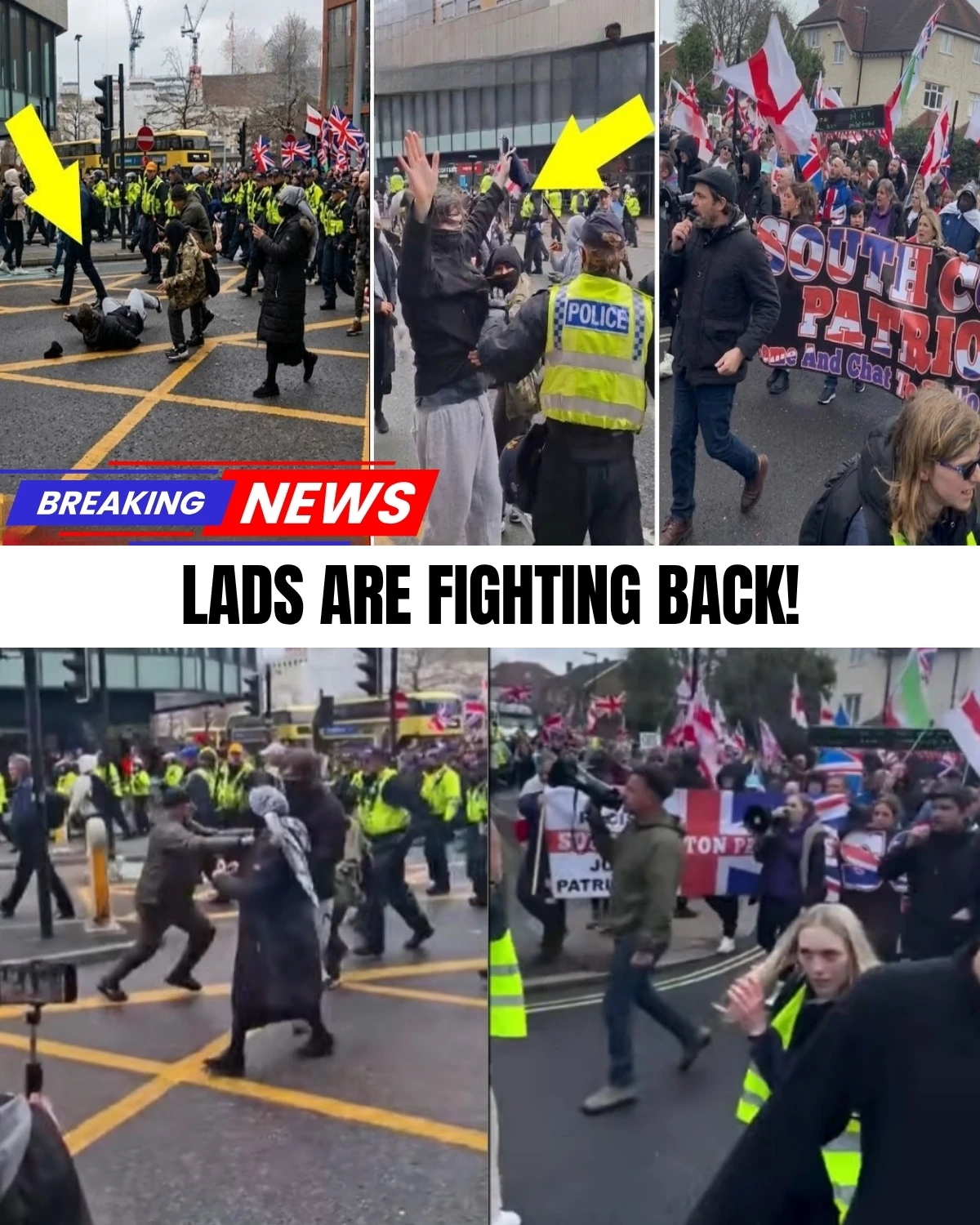
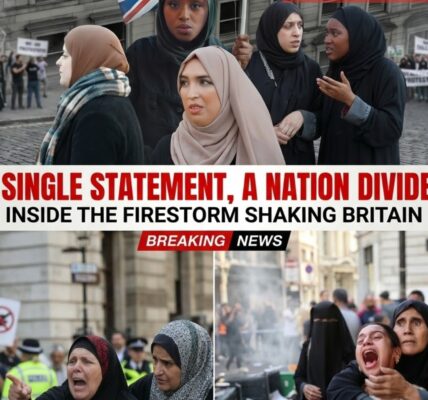
Beyond security concerns, the aftermath of the attack has exposed deep rifts in British politics. Shabana Mahmood, a senior Labour Party politician, expressed frustration that pro-Palestine protests continued on the streets immediately following a night of anti-Semitic violence. She argued that such actions were disrespectful and called for protest groups to step back for a day or two to allow the community time to mourn and process the shock.
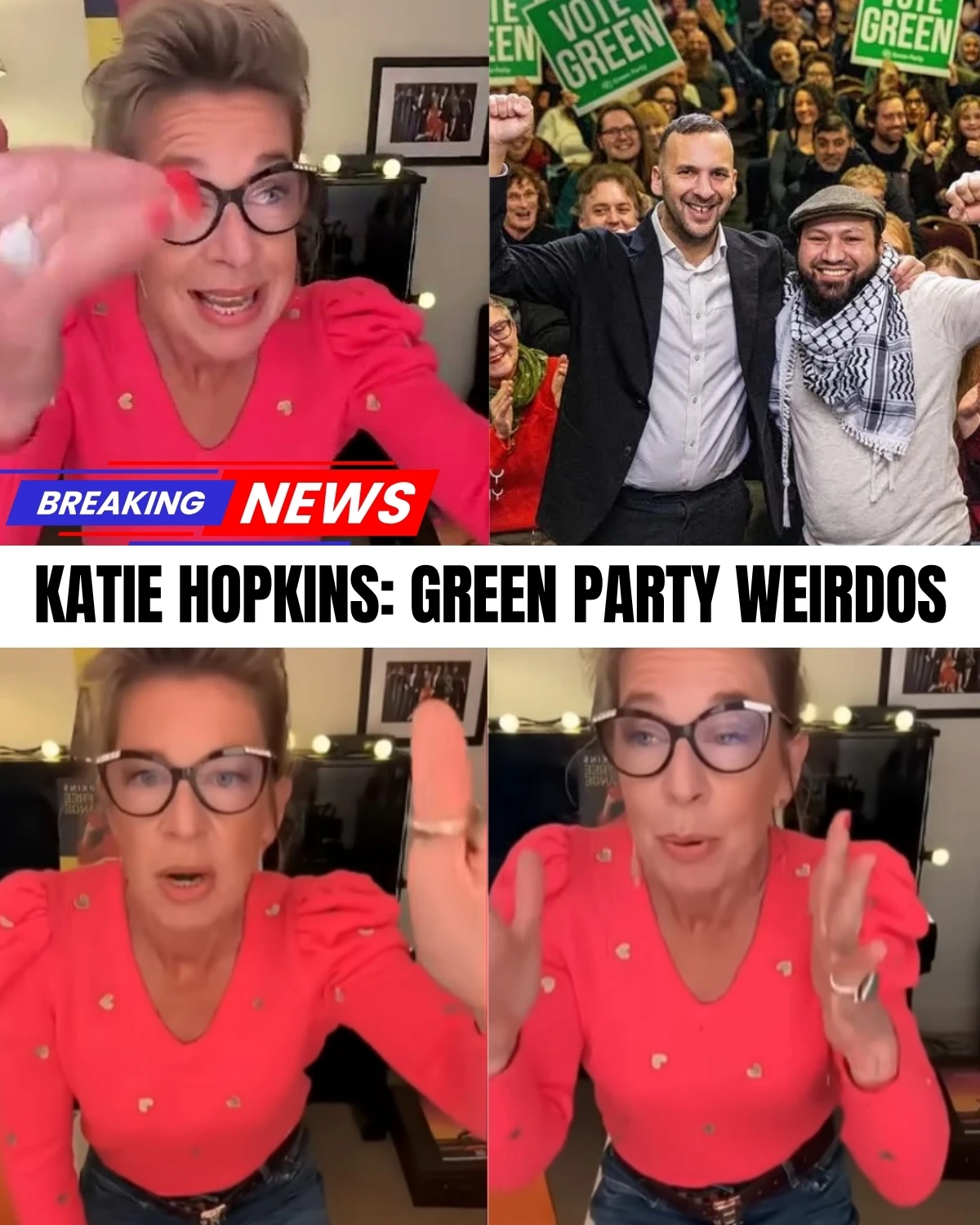
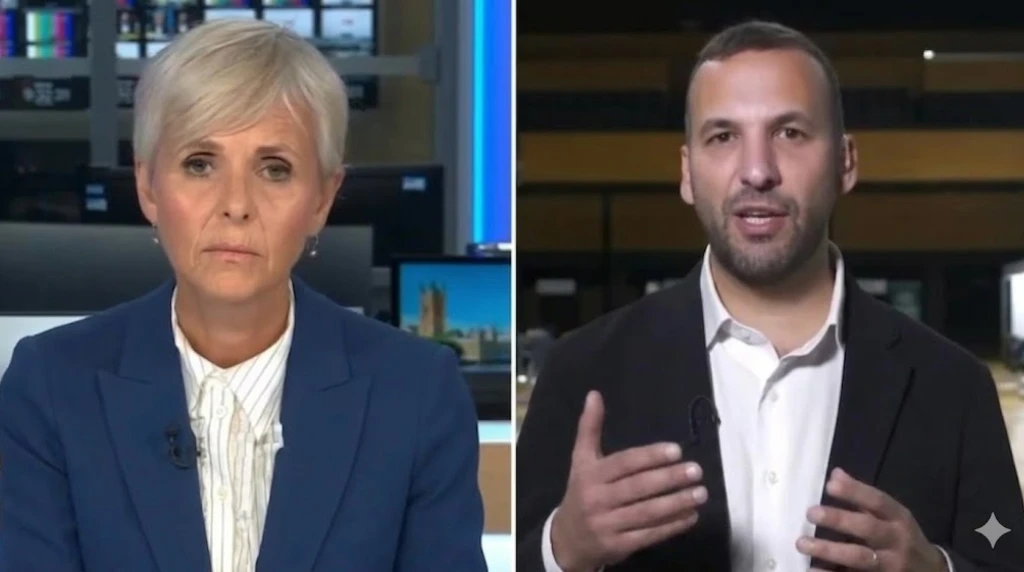
However, Zack Polanski, Deputy Leader of the Green Party, appeared on Sky News to strongly rebut this view. Polanski labeled Mahmood’s statement “deeply irresponsible.” He argued that conflating a terrorist, anti-Semitic attack with the movement protesting the war in Gaza was a deliberate misinterpretation. Polanski warned that the government is utilizing this tragedy to stifle dissent and the right to peaceful protest, which he described as the bedrock of democracy.
Metropolitan Police Commissioner Hits Back
The tension escalated further as Zack Polanski continued to post social media comments criticizing the police’s use of force against the suspect, implying that officers had been heavy-handed with an individual suffering from “mental health issues.”
This move met with fierce opposition from the head of the Metropolitan Police, Sir Mark Rowley. In a recently published open letter, Rowley blunty rejected the criticisms aimed at his force.
“Politics is for politicians, not for me,” Commissioner Rowley emphasized. “But when an influential figure interferes in professional policing and offers criticism that undermines the confidence of officers working to protect citizens, I must speak out. That is unacceptable.”
The Commissioner explained that the officers at the scene faced a man they believed to be a terrorist, who was armed and potentially carrying a bomb. In that life-or-death moment, the use of “extreme force” was an entirely reasonable decision. At the conclusion of his letter, Rowley expressed gratitude for the overwhelming wave of public support on social media for the police officers involved.
Conclusion
The Golders Green incident presents a complex dilemma for the United Kingdom. While law enforcement demands trust and backing to deal with immediate terrorism, political activists fear the erosion of civil liberties. With the suspect in custody and the investigation ongoing, the political aftershocks of this event are likely to dominate the British agenda for weeks to come.