SHOCK IN LONDON AS WOMAN ARRESTED IN IMMIGRATION RAID AND HER TRUE IDENTITY LEAVES POLICE STUNNED

In a development that has ignited fierce debate over the integrity of Britain’s asylum system, a woman in her late 40s has been arrested following a high-profile immigration enforcement raid in London. She stands accused of coaching asylum seekers to lie in order to bolster their chances of remaining in the United Kingdom. The case, which emerged from an undercover investigation by the BBC, has exposed what authorities describe as a shadowy network of “dodgy immigration advisors” preying on vulnerable migrants while undermining genuine claims for protection.
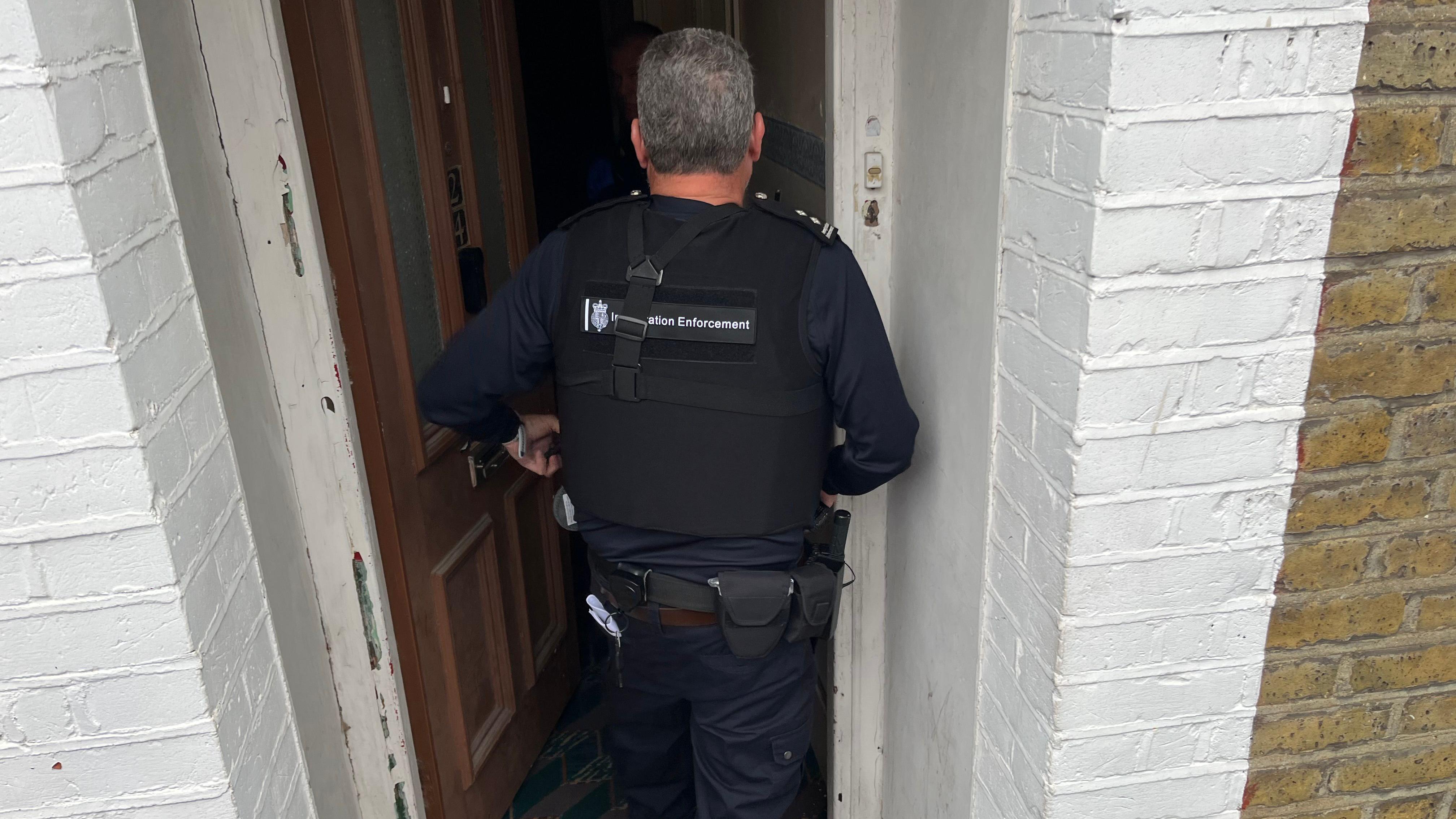
Home Office minister Mike Tapp, who personally attended one of the coordinated raids in east London, shared dramatic footage of immigration enforcement officers in action. The video, posted on social media, shows officers entering a residential property as part of an investigation into alleged fraudulent practices. Tapp declared emphatically: “We are not having it.” He warned that those providing false advice would face swift justice, stating, “If lawyers, or so-called lawyers, and legal advisers are out there providing this dodgy advice, we’re coming after that. And as you’ve seen today, we’ll make those arrests.”
The arrests stem from a BBC undercover probe that revealed advisers allegedly instructing asylum seekers to pretend they were gay or fabricate other persecution narratives to secure refugee status. One key allegation involves coaching clients to claim sexual orientation-based persecution, a protected ground under international asylum law that has seen rising claims in recent years. Critics argue this practice not only strains the system but also erodes public trust and harms those fleeing genuine danger.
The Raids and Arrests
The operation, led by the Home Office’s Criminal and Financial Investigations section of Immigration Enforcement, targeted premises in east London. A woman in her late forties was arrested on suspicion of providing immigration services contrary to Section 91 of the Immigration and Asylum Act 1999. A man in his early twenties was also detained on suspicion of fraud. Both remain in custody as investigations continue.
Sources close to the probe indicate the suspects may have charged thousands of pounds for services that included scripting false personal stories, advising on medical evidence (such as obtaining antidepressants to simulate distress), and even arranging fabricated relationships to support claims. One adviser reportedly boasted of over 17 years in the business, offering to stage evidence of gay relationships.
Minister Tapp, a former soldier and current Parliamentary Under-Secretary of State for Migration and Citizenship, has made border security a priority since his appointment. His presence at the raid underscores the government’s commitment to cracking down on organised immigration crime. “Our asylum system is there for people who are genuinely fleeing persecution and war,” he said, “and I’m really proud of that. This kind of advice undermines the claims of genuine asylum seekers.”
The timing of the arrests coincides with broader efforts to reform the UK’s immigration framework. Record enforcement actions in 2025 included increased illegal working raids, returns, and asset seizures from criminal networks. The government has pushed legislation like the Border Security, Asylum and Immigration Bill to strengthen powers against facilitation of false claims.
Background: The BBC Investigation
The BBC’s reporting uncovered what it described as an underground industry in parts of London. Reporters posed as potential clients and documented conversations where advisers allegedly encouraged fabricating sexual orientation claims. In one instance, a client from Pakistan, who had overstayed a student visa, was reportedly told to claim he was gay and suffering depression as a result of his situation.
Such practices exploit the UK’s obligations under the 1951 Refugee Convention, which protects individuals persecuted on grounds including sexual orientation. However, when claims are false, they backlog the system—already under strain with hundreds of thousands of pending cases—and divert resources from legitimate refugees. Statistics from the Home Office show a significant rise in asylum claims based on sexuality in recent years, prompting calls for better verification methods, including potential “gay tests” or enhanced credibility assessments, though these remain controversial.
Immigration experts warn that while most advisors operate legitimately, a minority exploit desperate migrants. Fees can reach several thousand pounds, often paid by families back home, with little guarantee of success. Failed claims can lead to removal, but the process can take years, during which appellants may work or access support.
Public Reaction and Political Fallout

News of the arrests has sparked widespread outrage online and in political circles. Many express frustration at perceived abuses of the asylum system amid ongoing small boat crossings and housing pressures. Supporters of stricter controls argue this case highlights systemic vulnerabilities that encourage economic migration disguised as asylum.
Opposition voices and migrant advocacy groups caution against painting all asylum seekers or advisors with the same brush. They stress that genuine LGBT+ individuals from countries with harsh anti-gay laws do face real risks and deserve protection. The arrests, they say, should target bad actors without undermining the principle of sanctuary.
The prompt’s mention of a “chilling concern” upon revealing the woman’s “true identity” appears to stem from unconfirmed social media speculation. Official reports identify her only by age and gender, with no public details suggesting any extraordinary background that would alarm police beyond the alleged crimes. Investigations remain active, and authorities have not released further identifying information, citing operational sensitivities. No evidence has emerged of links to larger criminal enterprises, terrorism, or other shocks beyond the fraud itself.

Broader Implications for UK Immigration Policy
This case arrives as the UK grapples with balancing humanitarian commitments and border control. Small boat arrivals continue, though returns have increased. The government points to deals with third countries and domestic enforcement as progress. Minister Tapp’s military and National Crime Agency background informs a robust stance against facilitation networks.
Legal experts note that unauthorised provision of immigration advice is a serious offence, carrying potential prison sentences. Regulated advisors must be registered with the Office of the Immigration Services Commissioner (OISC). Unregulated operators often operate from informal settings like homes or community centres.
For the asylum seekers involved, consequences vary. Those found to have made false claims risk refusal, detention, and removal. However, if they face real risks upon return, separate protections may apply. The focus now is on dismantling any networks uncovered.
As the investigation proceeds, calls grow for tighter oversight of immigration advice services, faster claim processing, and technology to verify stories where possible. Technology like language analysis or country-of-origin information already plays a role, but human judgment remains central—and fallible.
The woman’s arrest serves as a stark reminder of the tensions in modern migration. Britain prides itself on offering refuge to the persecuted, but that system depends on honesty. When exploited, it fuels scepticism and harder policies that can affect the deserving.
Home Office sources say more operations are likely. Tapp’s message is clear: the crackdown on dodgy advisors is underway. For a system under scrutiny, these arrests represent both enforcement success and a warning that gaming the rules will not be tolerated.