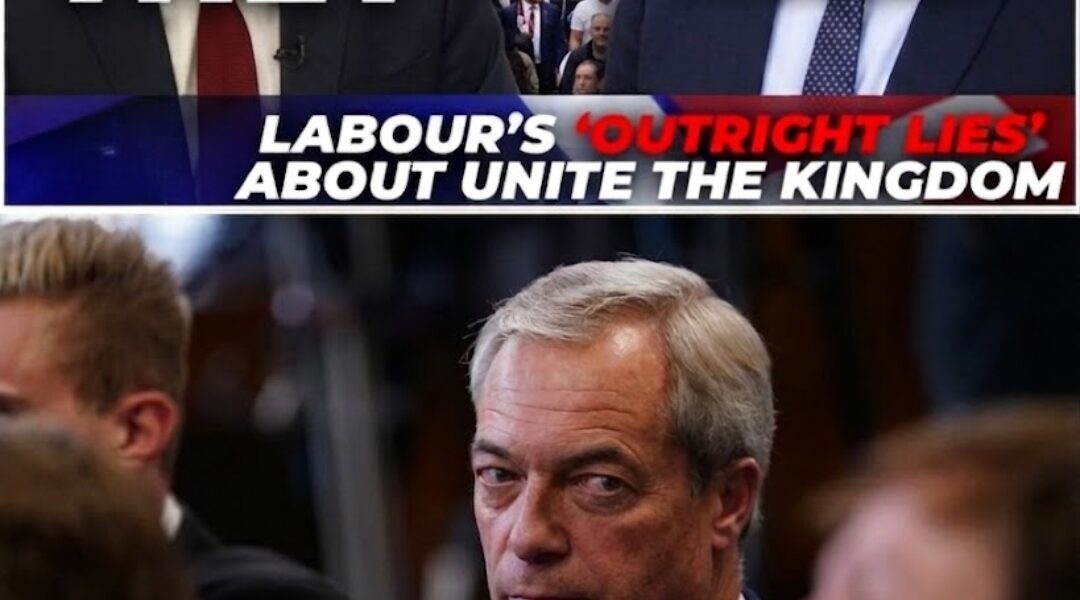
Starmer and Lammy accused of “gaslighting” Britain after Unite the Kingdom march as critics call government narrative a political smear!

Starmer and Lammy accused of “gaslighting” Britain after Unite the Kingdom march as critics call government narrative a political smear
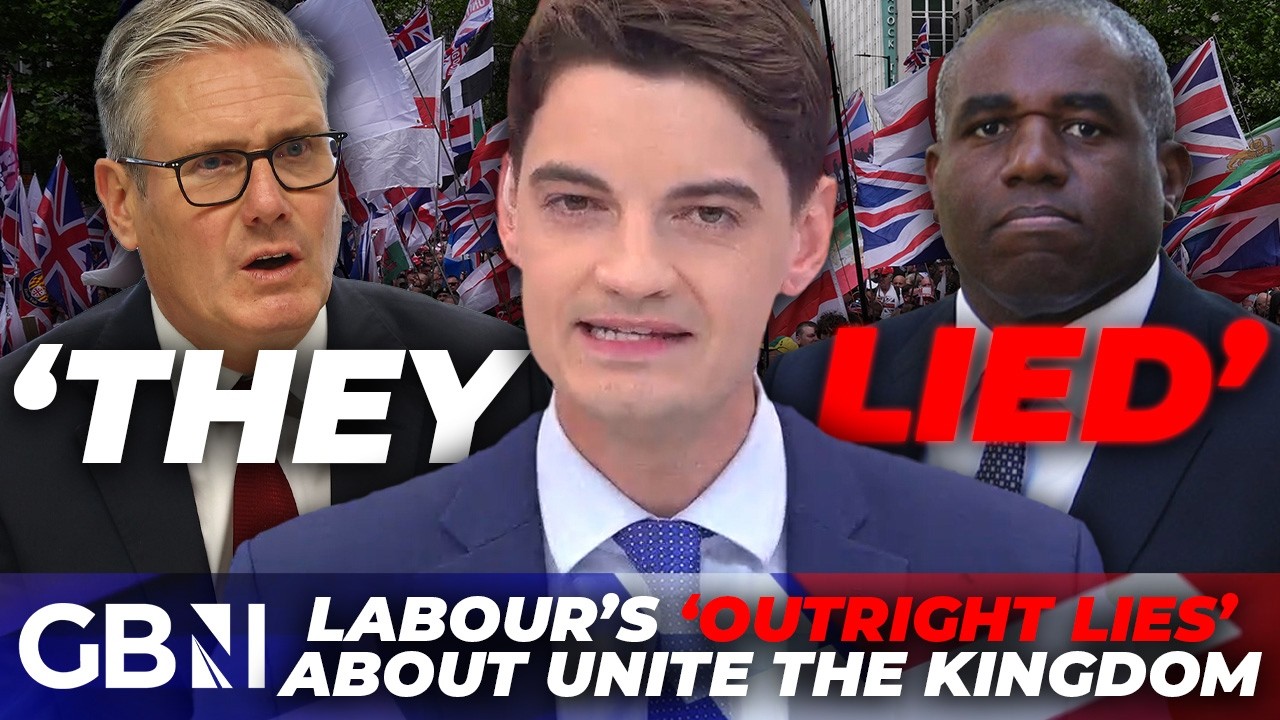
The controversy follows Labour’s disastrous local election performance, which has intensified internal pressure and growing public anger over immigration, policing, national identity, and declining trust in government.
Hours before the rally began, David Lammy posted on X that the march organizers were “spreading hatred and division” and claimed they “do not reflect the Britain I’m proud of.”
Keir Starmer also intervened publicly, warning that “many people across the country will understandably be frightened by what they may see today,” referencing concerns from Muslim and ethnic minority communities.
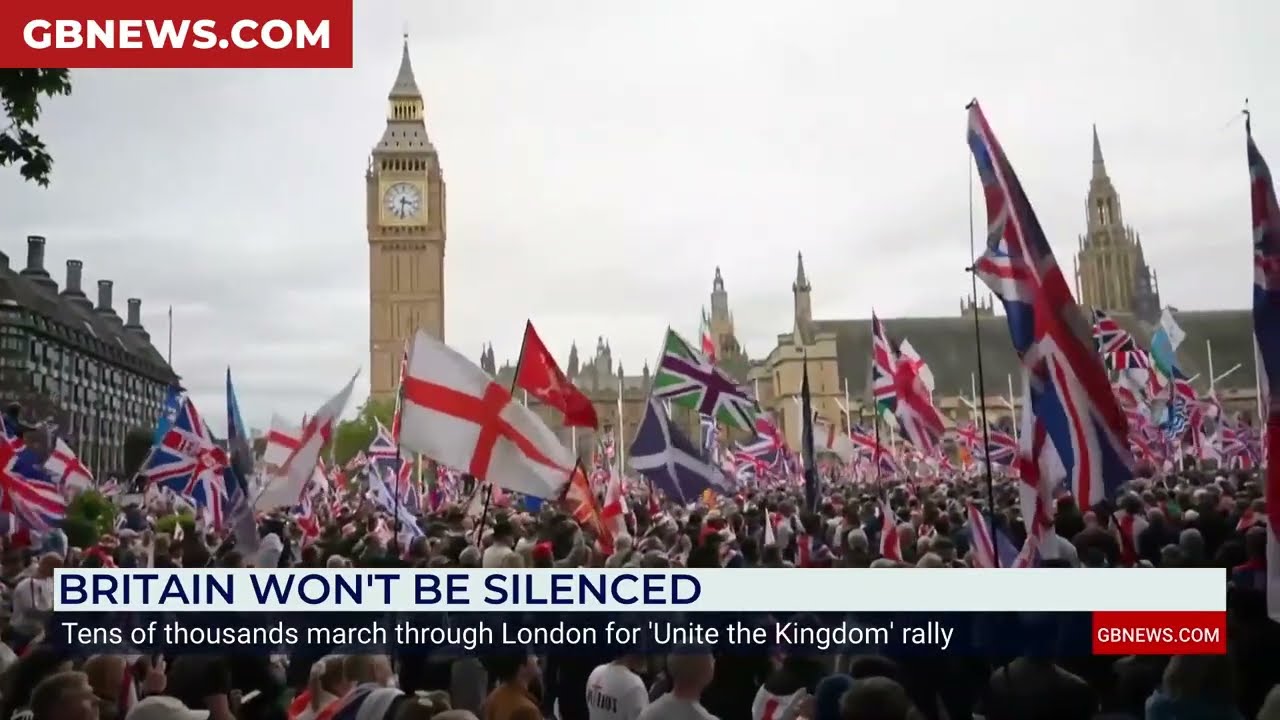
However, the rally itself was widely described by attendees and commentators as overwhelmingly peaceful and patriotic.
Former military attendee rejects government framing
One of the most viral clips from the march featured a former Royal Air Force serviceman expressing anger at being branded an extremist.
“I served my country. I’m very proud of my flag,” he said.
“I wear my flag proudly because I was born here in this country and my parents came over in the 60s and worked hard.”
For many watching, the moment captured a growing resentment: that patriotic demonstrations are now routinely treated as suspect, while other political movements are treated more sympathetically by establishment figures.
Social media backlash erupts over “Christofascism” claims
Online commentators intensified the debate, with one viral post claiming the rally displayed “white supremacy” and questioning “since when did the UK get infected with Christofascism?”
Critics responded that the use of such language reflects a political culture where Christianity, national pride, and traditional values are increasingly framed as extremist threats.
A protester from Nottingham was filmed declaring:
“I stand for Christianity. I stand for togetherness. I stand for British values because I’m British.”
The clip has since been widely shared as evidence, supporters argue, that Labour’s narrative is detached from reality.
Counter-protest footage fuels accusations of double standards
At the same time as Unite the Kingdom marched, a separate pro-Palestinian rally took place in London. Video footage circulating online showed individuals calling for Tommy Robinson to be executed.
One demonstrator was recorded saying:
“Should we shoot Tommy Robinson in the neck?”
Others reportedly shouted:
“Shoot him in the neck like Charlie Kirk.”
The footage has become central to the argument that political violence is being tolerated or downplayed when it comes from certain ideological directions.
Arrest figures become central to the debate
Critics also pointed to arrest numbers released by police.
According to figures circulating after the event, there were reportedly just 11 arrests at Unite the Kingdom despite tens of thousands attending.
Supporters of the march contrasted this with previous events such as the Notting Hill Carnival and large-scale protests, where arrests have reached into the hundreds.
This comparison has fueled claims that Labour’s messaging is not based on public safety, but on political branding.
Sadiq Khan’s “love is louder” message sparks backlash
London Mayor Sadiq Khan posted on X:
“Hate is loud. Love is louder. We will never be divided.”
However, critics argue that the message ignored the reality of what was unfolding on the streets, claiming that inflammatory rhetoric was far more visible at the counter-protest than among Unite the Kingdom demonstrators.
Some commentators accused Khan, Starmer, and Lammy of contributing directly to division by portraying large crowds of ordinary citizens as extremists.
Trevor Phillips warning resurfaces: “The most alarming aspect was how normal they were”
The debate has also revived remarks from former Equality and Human Rights Commission chair Trevor Phillips, who attended an earlier Unite the Kingdom rally and described it as politically significant precisely because of how mainstream the crowd appeared.
“The most alarming aspect of the event was just how normal the vast majority of the marchers were,” Phillips said.
He described them as people you would meet in a country pub or at a football match, with “a sprinkling of black and brown faces.”
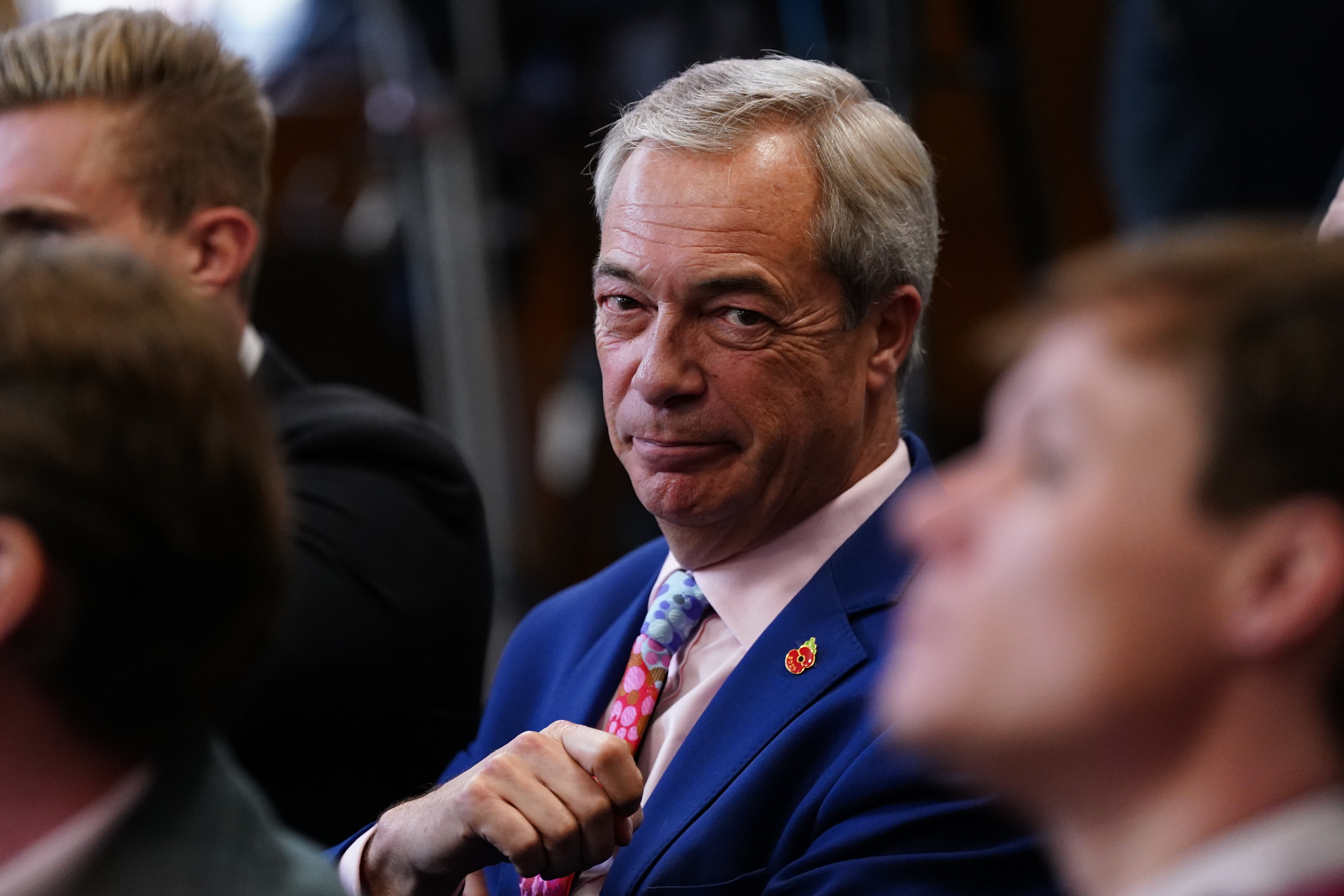
Phillips warned that mainstream parties should be concerned not because of extremism, but because they are losing support to Reform and other outsider movements while failing to understand the public mood.
Panel debate: “Labour is appealing to a shrinking base”
Political commentators argued the government’s aggressive messaging is a tactical move aimed at Labour’s activist base, rather than the general electorate.
One analyst suggested Labour is “trying to appeal to a very small sect of the electorate,” despite having been “wiped out” in local elections by Reform UK and other challengers.
Another argued that branding Reform voters and patriotic demonstrators as “far right” is no longer credible and only accelerates Labour’s decline.
Intelligence services cited as counterpoint to government messaging
Some voices in the discussion referenced broader national security assessments, claiming that the UK’s most severe ideological threats are not always where the government says they are.
The argument being made is blunt: while Labour focuses heavily on “far-right extremism,” antisemitic incidents and radical activism have surged in other spaces, yet receive less direct condemnation from senior officials.
Whether this is due to political caution or ideological bias remains fiercely contested.
The deeper question: is Labour learning anything?
Beyond the marches themselves, the bigger issue is political.
After losing heavily in local elections, Labour’s leadership has been accused of refusing to ask why public frustration has reached such levels.
Instead of reflecting, critics argue the government has doubled down on moral messaging and labels.
“No curiosity. No self-reflection. Just name calling,” one commentator said.
For those who attended Unite the Kingdom, the march was not an expression of hatred — it was a protest against a political class that appears unwilling to listen.
Conclusion: a nation arguing over what “extremism” even means
The Unite the Kingdom rally has become a symbol of Britain’s political fracture.
One side argues it is a legitimate protest against immigration, insecurity, and cultural decline.
The other argues it provides cover for dangerous extremist movements.
But what is becoming clear is that Britain can no longer agree on basic definitions: patriotism, protest, and extremism are now contested terms — weaponized by both sides in a struggle for political power.
As Labour’s internal leadership drama intensifies and public anger grows, the government’s messaging strategy may no longer be sustainable.
Because if tens of thousands of ordinary citizens can be branded as “far right” with no consequence, then the label itself eventually loses meaning — and the public stops believing anything the government says.