“We Have the Lowest of the Low”: Dr. Philip Kiszely Launches Scathing Attack on Britain’s Political Class!

“We Have the Lowest of the Low”: Dr. Philip Kiszely Launches Scathing Attack on Britain’s Political Class
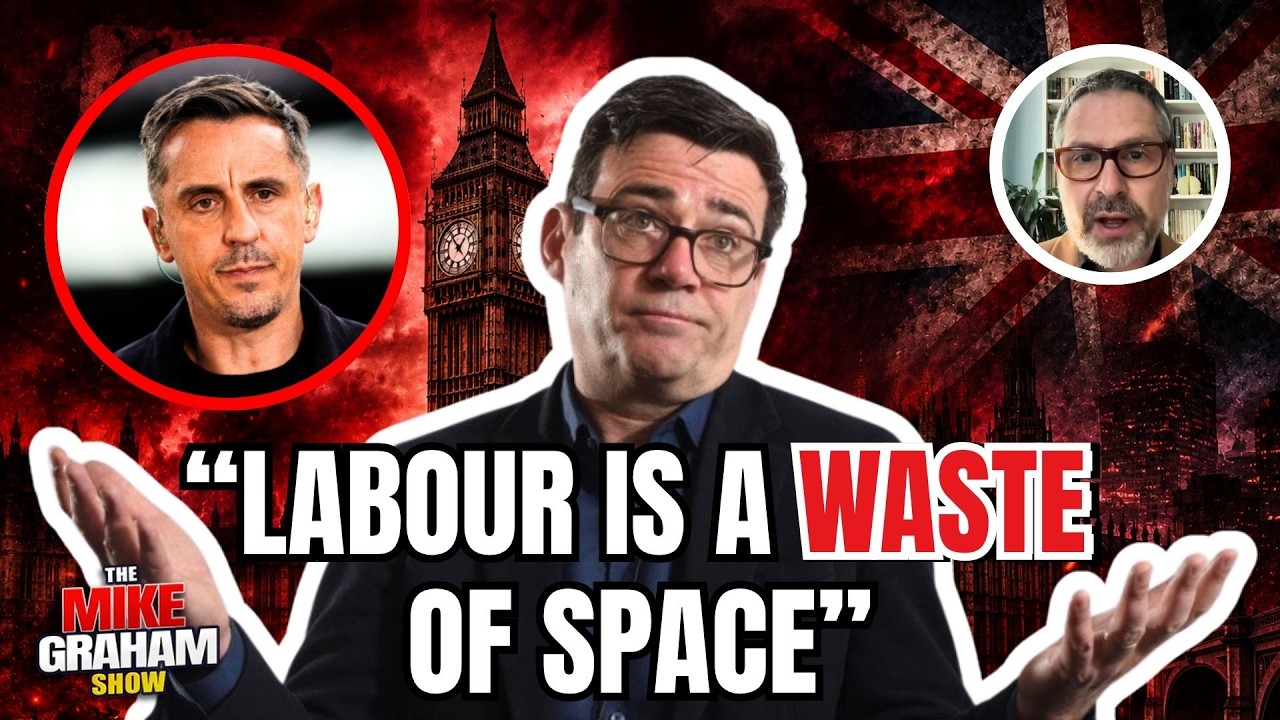
The interview — conducted amid broader public dissatisfaction with national politics — reflects deep frustration felt by many voters who believe mainstream politicians have lost touch with the realities of work, security, and daily life in Britain.
Kiszely began his critique by highlighting what he sees as a profound disconnect between political elites and ordinary citizens. He pointed to recent appointments within government — notably the individual now leading the NHS — as emblematic of a leadership class that lacks practical experience and basic understanding of pressing issues.
“What’s he going to say to senior doctors plotting strikes? What’s he going to say to nurses? What’s he going to say to unions?” Kiszely challenged, emphasizing that political leaders often seem to live in a “bubble” divorced from the lived experience of working people.
Central to his argument is the belief that key figures in government fail to grasp fundamental realities, such as widely held public concerns over crime, immigration, and the economy.
ur’s Struggles and Electorate Disconnect
Kiszely was especially critical of the Labour Party, describing its recent performance and strategic choices as evidence of deep dysfunction. He argued that even leadership figures with regional prominence — such as Andy Burnham — are insufficient to reinvigorate a party that he believes has “lost its way.”
Using recent local election results as context, he described Labour as having been “obliterated” in key areas, while voters in other regions turn to alternative parties that appear to offer fresh voices or more relevant messaging.
The criticism extended beyond electoral performance. Kiszely accused Labour leaders of failing to connect with voters on issues that matter — from concerns about crime to economic priorities — instead becoming overly focused on identity politics, cultural debates, and agenda items that, in his view, do not resonate with many Britons.
A Deep Cultural Divide in British Politics
One of the central themes of Kiszely’s argument is the idea that Britain’s political class is detached not just from policy concerns but from the cultural pulse of the country. He invoked depictions of northern towns and cities, such as Manchester, as places where local realities do not align with the political narratives projected from London.
Describing scenes of crime, neglect, and social change in familiar urban landscapes, he suggested that political leaders have become oblivious to conditions that raise serious concern among ordinary citizens — from knife crime to urban decay.
“For me, this sums up the end of the Labour Party,” Kiszely stated, arguing that the party ceased to represent the interests and values of many working-class communities long ago.
Leadership Elites and a Deficit of Experience
A key element of the critique was directed at what Kiszely perceives as a broader crisis in political talent. He argued that the current generation of MPs and party leaders lack real-world experience, contrasting them unfavorably with past political figures known for their intellectual capability and leadership skills.
Referencing historical leaders and thinkers, Kiszely lamented what he sees as a decline in the quality of political representation, suggesting that many modern politicians are ill-equipped to address the challenges facing the nation.
“They live in a different world. They have no experience of real life,” he argued, calling for a new class of political actors — individuals rooted in small business, trade, and lived experience beyond Westminster corridors.
Policy and Identity Politics
Kiszely’s comments also touched on broader themes of national identity, immigration, and institutional capture. He identified what he sees as three core problems facing Britain: mass immigration, Islamist extremism, and identity politics. According to his perspective, politicians across the major parties — including Conservatives, Labour, Liberal Democrats, and Greens — are immersed in these issues without offering meaningful solutions.
He suggested that political elites have become part of the very problems they claim to address, failing to grasp how these dynamics affect communities across the UK.
Public Frustration Reflects Wider Political Realignment
Reaction to the interview has been mixed, but the intensity of Kiszely’s critique reflects larger patterns of public frustration that are evident in recent electoral shifts, changing voter allegiances, and the rise of new political movements.
His remarks resonated with some who feel disenfranchised by traditional parties, particularly in regions where voters have turned away from long-established political brands in favour of alternatives that they believe speak more directly to their concerns.
For many viewers and commentators, the interview taps into broader debates about representation, leadership quality, and the future direction of British politics.
Calls for New Political Voices
One of Kiszely’s central messages was a call for fresh leadership — figures grounded in real-world experience rather than political careerism. He stressed the importance of widening the pool of political participants to include small business owners, tradespeople, and community leaders with firsthand understanding of daily life in Britain.
“I want a generation of people with life experience and practical understanding,” he said, condemning what he views as the insular nature of current political elites.
The End of the Two-Party Era?
Kiszely also touched on the changing political landscape, citing the rise of other parties and electoral movements that challenge the traditional dominance of the Labour and Conservative parties. He referenced recent local election results and the increasing prominence of alternative choices as evidence that Britain’s two-party system may be waning.
This shift, he argued, reflects deeper dissatisfaction with the status quo and a desire for new political voices that can address issues perceived to be neglected by mainstream parties.
Conclusion: A Nation Frustrated with Its Leaders
Dr. Philip Kiszely’s forceful critique of Britain’s political class encapsulates a sentiment of frustration shared by many voters across different segments of society. Whether one agrees with his analysis or not, his comments highlight growing discontent with political leadership, the quality of representation, and the disconnect between elite decision-makers and everyday citizens.
The debate his interview has sparked points to broader tensions in British politics today — tensions that are likely to shape public discourse, electoral behaviour, and party strategies in the months and years ahead.