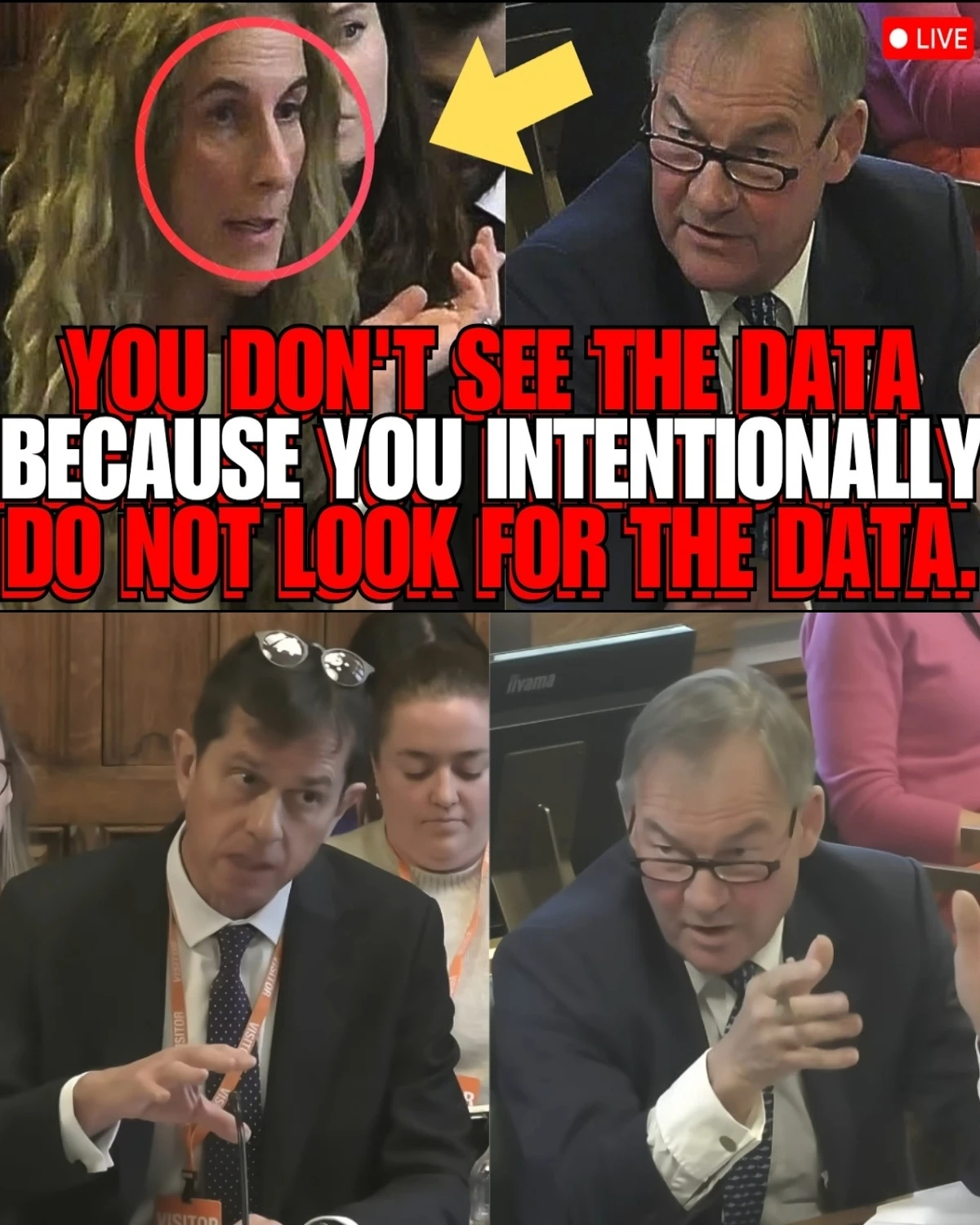
Think you know why young workers are struggling? 🛑 A fiery live interview with senior Labour Minister Pat McFadden just turned into an absolute political battleground!


A heated television interview with senior Labour Minister Pat McFadden has sparked intense political debate regarding the primary drivers of the UK’s growing youth unemployment crisis, highlighting a fierce dispute over the role of mass migration.
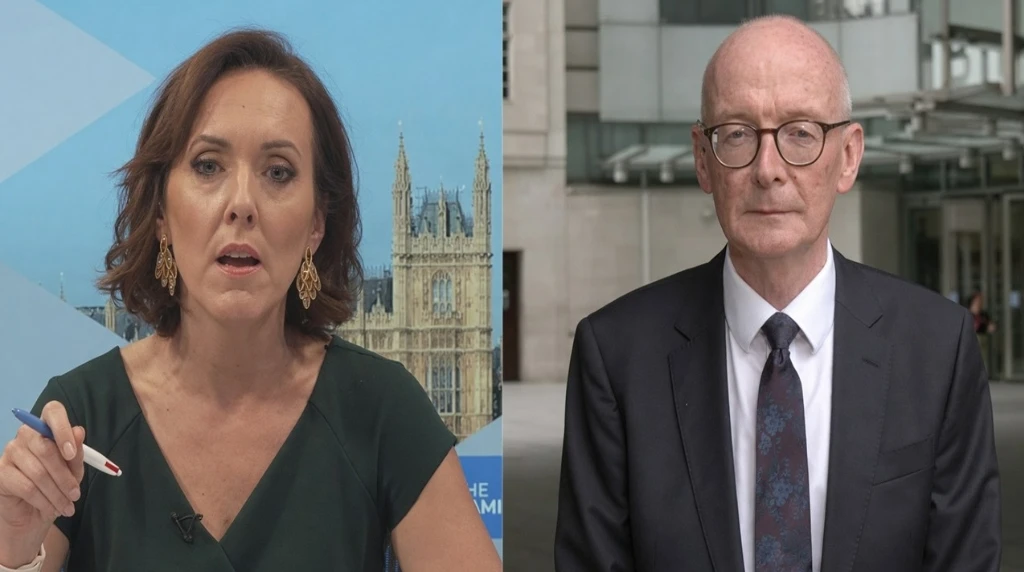
The clash occurred during a broadcast where McFadden was aggressively pressed on recent data suggesting that young British workers are being heavily displaced in the job market by non-EU migrants.
The Migration vs. Unemployment Debate
The confrontation centered on a recent report from the Centre for Social Justice (CSJ). The news host, citing the CSJ data, stated that since 2020, 27 non-EU migrants have found employment for every single British young worker hired. Furthermore, the data suggests that the number of non-EU workers under 25 has skyrocketed by 355%, while the number of employed British workers in the same demographic has increased by a mere 0.3%.
The host repeatedly demanded a definitive “yes or no” answer from McFadden regarding whether mass migration is directly fueling the youth unemployment crisis—which experts warn could soon reach 1.2 million individuals (NEETs: Not in Education, Employment, or Training).
McFadden refused to provide a binary answer. While he conceded that employers have historically “had it too easy” relying on the migration “lever,” he argued that the crisis is multi-faceted. McFadden pointed to systemic economic changes, such as the decade-long decline in physical retail jobs—traditionally the primary entry point for young workers—due to automation and self-service technology.
Furthermore, the Minister defended the current Labour government’s record, highlighting that net migration has plummeted by 82% since the record highs seen between 2020 and 2024. He argued this drop provides a crucial “opportunity” and “spur” for the country to urgently prioritize training its domestic workforce.
PIP Assessments and the “Blame Game”
The interview also addressed controversies surrounding the welfare system, specifically Personal Independence Payments (PIP). The host challenged the government’s policy of placing young people with mental health conditions on PIP without reassessment for up to four years.
McFadden defended the policy as a necessary triage of resources, arguing that 75% of reassessments result in no change to the claimant’s status. He then forcefully deflected blame onto the previous Conservative administration.
McFadden revealed that face-to-face PIP assessments collapsed from 83% in 2019 to just 5% last year. He accused the former Conservative Secretary of State of signing off on contracts shortly before the 2024 general election that allowed health assessors to work remotely. The Minister stated that Labour is currently attempting to claw face-to-face assessments back up to a 30% threshold.
Conservative Backlash
The interview was immediately seized upon by right-leaning political commentators, such as those on the British Stand network. Critics accused the Labour government of lacking accountability and continuously blaming the previous Conservative administration despite having been in power for two years.
Furthermore, conservative commentators dismissed McFadden’s boast regarding falling net migration. They argued that the “net” figure is artificially lowered by an ongoing mass exodus of wealthy British citizens fleeing high taxes, asserting that these individuals are simply being replaced by sustained immigration from developing nations.