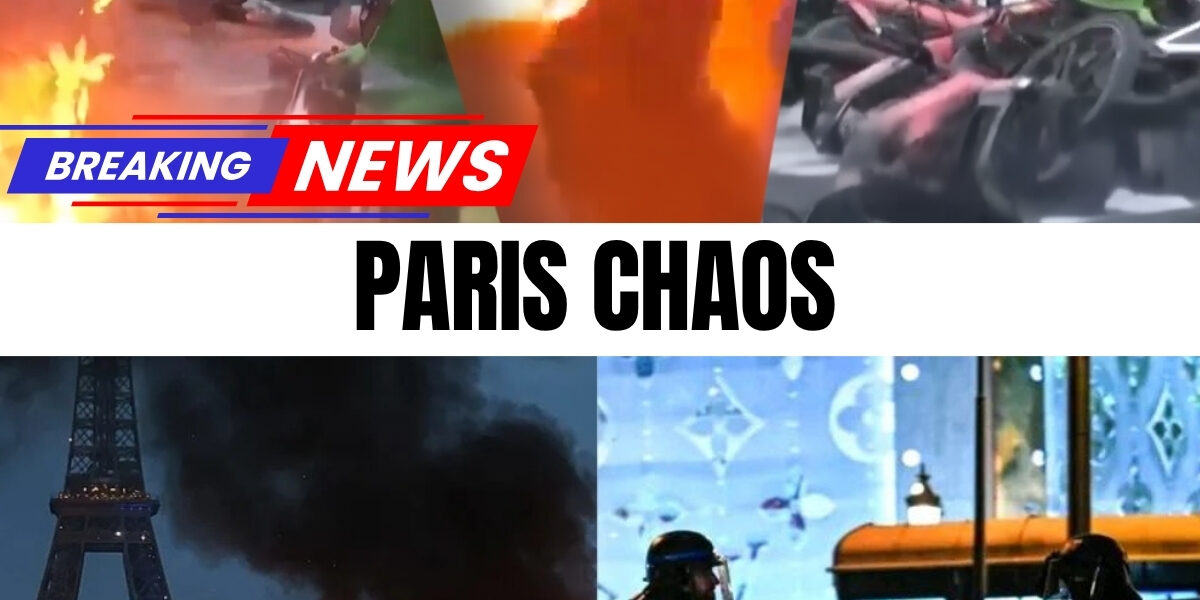
PSG creates history on the pitch, but what happened on the streets of Paris just moments ago has left the entire world in complete shock!


Violent clashes and widespread disorder have erupted on the streets of Paris tonight, prompting the deployment of riot police and the use of tear gas following Paris Saint-Germain’s (PSG) victory over Arsenal in the UEFA Champions League final.
Despite PSG securing back-to-back European Cup titles after a tense penalty shootout, scenes of destruction quickly overshadowed the sporting triumph, resulting in over 80 arrests near the Parc des Princes stadium.
The Match and the Spark
The unrest reportedly ignited not at the final whistle, but earlier in the match when Arsenal took a surprising lead. Arsenal’s Kai Havertz opened the scoring, putting the North London club ahead for 60 minutes.
PSG eventually equalized in the second half via a penalty following a tackle by Arsenal defender Mosquera. The match concluded in a penalty shootout, where despite a miss by PSG’s Nuno Mendes, wild efforts from Arsenal’s Gabriel Jesus and Gabriel Magalhães secured the trophy for the French capital.
However, the initial frustration of going behind appeared to trigger immediate disorder on the streets, which rapidly escalated into severe post-match rioting.
Fires, Tear Gas, and Mass Arrests
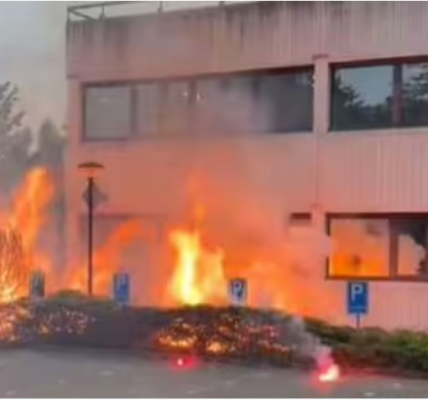
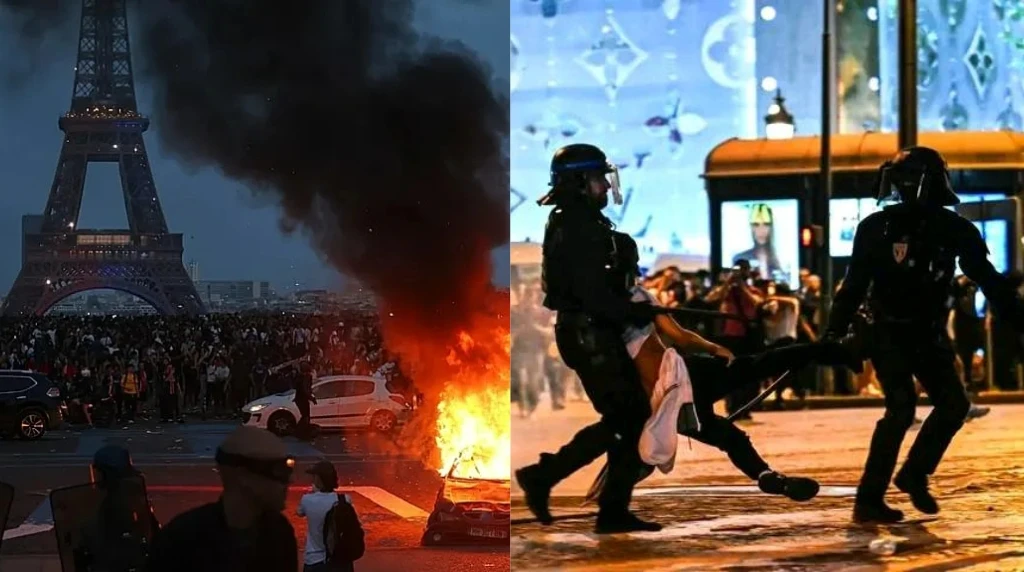
Footage emerging from Paris shows chaotic scenes, with large crowds running through the streets. Rioters were seen throwing chairs and bottles, launching fireworks and flares, and setting vehicles—including public rental bicycles—alight.
In response, heavy contingents of French riot police (CRS) were deployed to secure the areas surrounding the stadium and the Champs-Élysées. Authorities confirmed the use of tear gas to disperse the violent crowds, with over 80 individuals detained in the immediate aftermath.
A Recurring Issue in French Football
The violence has sparked intense scrutiny of French public order and football culture.
Speaking on a GB News broadcast covering the riots, sports broadcaster Chris Scutter attributed the chaos to groups from the Parisian suburbs utilizing the anonymity of mass celebrations to deliberately attack authorities. “Celebrations quickly turn into protests,” Scutter observed, noting that such mass unrest is a recurring issue in France, referencing similar destruction following the 1998 World Cup and recent domestic club incidents in Nice and Nantes.
Critics argue that while other European nations have successfully utilized surveillance and strict sentencing to crack down on football-related disorder, French authorities remain structurally behind in controlling mass urban violence triggered by sporting events.