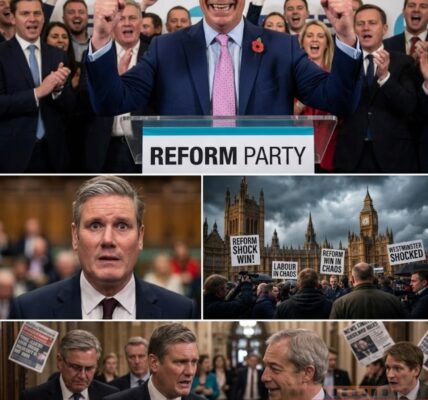
WESTMINSTER IN CHAOS: LANCASHIRE’S “BRITISH FIRST” POLICY SPARKS CONSTITUTIONAL OUTRAGE.

PRESTON, England — In a move that has sent shockwaves through the corridors of power in Westminster, Lancashire County Council is poised to become the first local authority in Britain to formally withdraw from the government’s refugee resettlement schemes, citing a mandate to prioritize “British people first.”
The decision marks a significant escalation in the ideological warfare currently defining British local governance. Following a landslide victory last May, Nigel Farage’s Reform UK now holds a commanding majority in Lancashire, controlling 53 of the 84 seats. They are now using that power to dismantle national humanitarian obligations.
Reform UK leadership argues that the UK Resettlement Scheme, ironically established by the Conservatives in 2021, creates a tiered system of support. They claim that newly arrived migrants receive immediate financial aid and administrative priority, while local residents, including homeless veterans, are left waiting in increasingly long queues.

The timing of this withdrawal is surgically precise, occurring as the nation grapples with a housing crisis and strained public services. By framing the issue as a zero-sum game between “the British public” and “foreign nationals,” Reform UK is testing the limits of local autonomy against national policy.
Downing Street has reacted with visible alarm, fearing a domino effect across other council chambers. If Lancashire successfully exits the scheme, it could trigger a collapse of the national resettlement infrastructure. Government officials warn that such “rogue” actions undermine the UK’s international standing and legal commitments to vulnerable people.
Joshua Roberts, Lancashire’s cabinet member for communities, remained defiant during a press briefing this week. He insisted that the move is simply about “putting Lancastrians at the front of the queue.” He called on the Labour government to cease placing refugees in the county entirely, sparking a major row.
The proposal, which targets both the UK Resettlement Scheme and the Afghan Resettlement Programme, notably exempts Ukrainian refugees. This distinction has drawn criticism from human rights groups, who accuse the council of “selective compassion” based on political optics rather than actual humanitarian need or international law.
Zia Yusuf, Reform UK’s Home Affairs spokesman, described the current resettlement policies as “shameful.” He argued that for too long, successive governments in London have deprioritized the needs of struggling locals. For Yusuf, Lancashire is the frontline of a national movement to reclaim local resources for citizens.
The political stakes are heightened by the looming local elections, where both Reform UK and the Green Party are expected to make massive gains. Polls suggest both insurgent parties could secure over 1,000 seats, potentially creating a fractured and ideologically polarized landscape across England’s town halls.
In an even more provocative move, Reform UK unveiled a plan to locate migrant detention centres exclusively in Green-controlled areas. Yusuf stated that since the Greens advocate for “open borders,” their constituencies should be the ones to host the infrastructure for the party’s proposed “Operation Restoring Justice.”
The Green Party’s Zack Polanski condemned the rhetoric as “cruel and abhorrent.” He argued that the proposal to target specific political constituencies for detention sites is a “deeply undemocratic” attempt to punish voters who disagree with Farage’s hardline stance on immigration and national identity.
Legal experts are now questioning whether a county council actually has the authority to opt out of a central government-mandated scheme. Constitutional scholars suggest this could lead to a protracted battle in the High Court, as the government attempts to reassert its authority over local administrative bodies.
Meanwhile, in the streets of Preston and Burnley, the move has polarized the electorate. Some residents expressed relief, citing the difficulty of securing GP appointments or social housing. Others expressed deep embarrassment, arguing that Lancashire has a long and proud history of welcoming those fleeing from persecution.
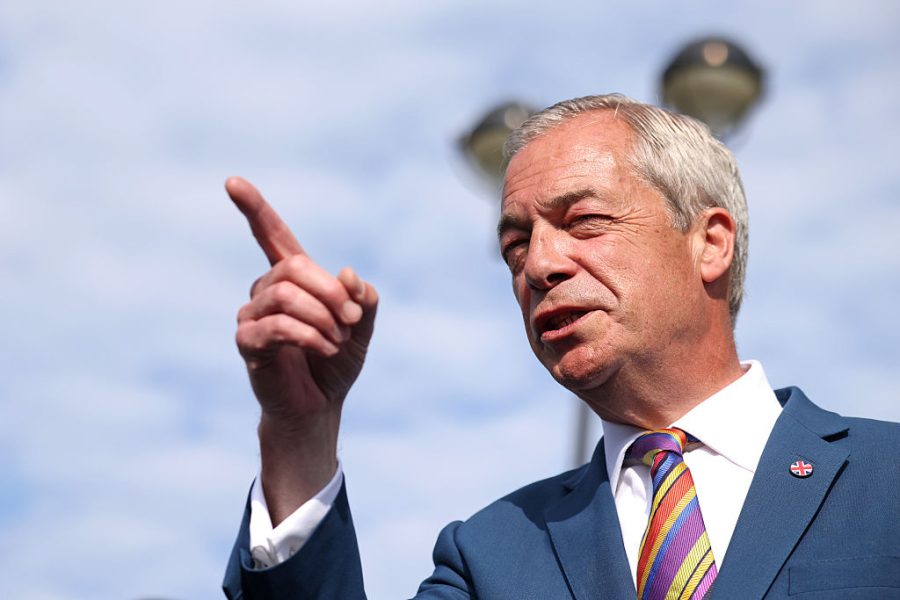
The “British People First” slogan has become a rallying cry for Reform UK supporters, who see the council’s move as a long-awaited act of defiance. They argue that the social contract has been broken and that local taxes should be spent exclusively on those with deep roots.
Economists warn that the withdrawal could actually cost the council more in the long run. The government provides specific funding for resettlement, and losing these grants while still dealing with the localized social pressures of migration could create a massive “black hole” in the Lancashire county budget.
The Afghan Resettlement Programme, which specifically helps those who assisted British forces, is a particularly sensitive point of contention. Critics argue that abandoning these individuals is a “betrayal of honor,” while Reform UK maintains that even these obligations must be secondary to domestic welfare concerns today.
For Nigel Farage, Lancashire is a “proving ground” for Reform UK’s ability to govern. If the party can demonstrate that it can successfully shift resources toward its core base, it will use this as a blueprint for the 2027 general election, promising a national “realignment.”
The Labour government is currently weighing its response. Using “step-in” powers to take over council functions is a drastic measure, but allowing a major authority to defy national refugee policy sets a dangerous precedent. It is a political “lose-lose” situation for Prime Minister Keir Starmer.
Humanitarian organizations have warned that the rhetoric surrounding the withdrawal is fueling xenophobia. They report a rise in “hostile environment” incidents in Lancashire, suggesting that the political debate in the council chamber is having real-world consequences for the safety of diverse communities across the region.
The summer Cabinet meeting in Lancashire will be the final hurdle for this policy. If approved, the formal withdrawal process will begin immediately. This would force the Home Office to scramble for alternative locations for hundreds of families currently slated for resettlement in the North West.
This local rebellion reflects a broader European trend of regional authorities challenging national migration pacts. From the Netherlands to Germany, localist parties are gaining ground by promising to insulate their communities from the complexities of global migration flows and the costs associated with them.
In Westminster, some Conservative MPs are quietly backing the Lancashire move, sensing the public mood. This creates a difficult dynamic for the Tory leadership, which must decide whether to tack further to the right or defend the very resettlement schemes they created three years ago.
The “queue” metaphor used by Reform UK is a powerful political tool in a country defined by its sense of fair play. By suggesting that migrants are “shoving” locals out of the way, the party is tapping into a visceral sense of injustice among the working class.
Observers note that the exclusion of Ukrainians from the ban is a calculated move to avoid being labeled as entirely heartless. However, this has led to accusations of “racialized policy-making,” as the council appears willing to help European refugees while rejecting those from the Middle East.
The debate also touches on the role of veterans. Reform UK has frequently linked refugee support to the plight of former soldiers. By claiming that veterans are “deprioritized,” they create a powerful emotional argument that is difficult for mainstream politicians to counter without appearing unpatriotic.
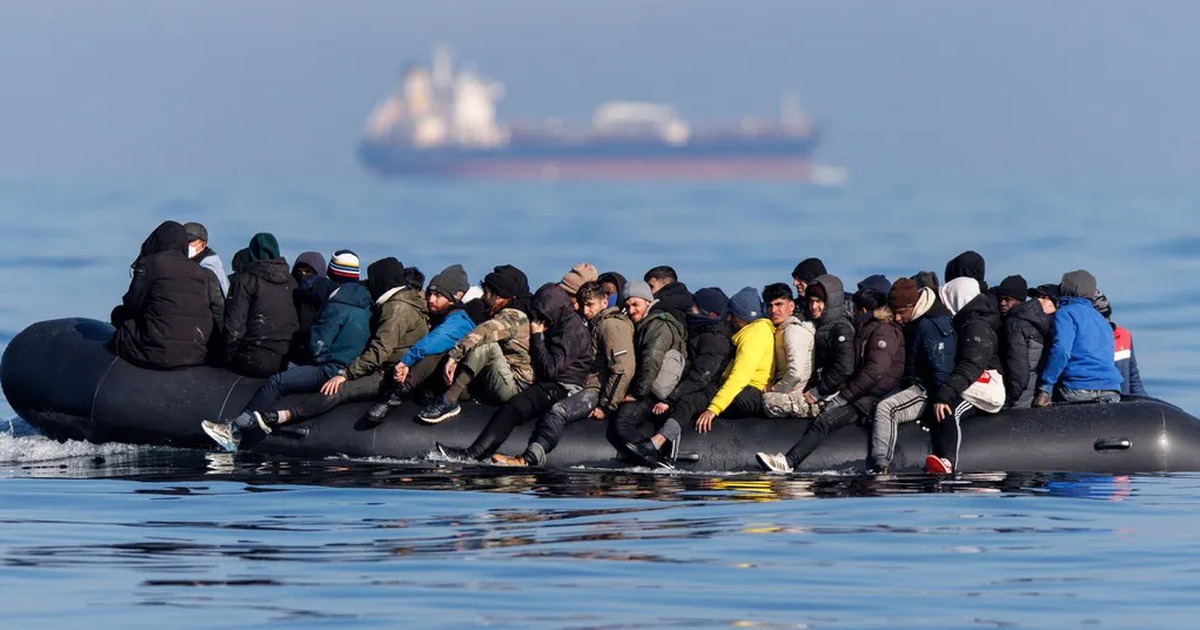
Lancashire’s move is essentially a “local Brexit,” an attempt to withdraw from a system perceived as bureaucratic and external. Just as the UK left the EU, Lancashire is trying to leave a national framework it views as detrimental to its specific, localized “national” interest.
As the 2027 election cycle begins to heat up, the “Lancashire Model” will be watched closely. If the council survives the legal challenges and manages to redirect funds, it will become the centerpiece of Reform UK’s national pitch to “Take Back Control” of local government.
The fallout from this outrage is just beginning. It has forced a national conversation on the limits of local power and the definition of a “resident.” In a fractured Britain, the question of who belongs at the “front of the queue” remains the most explosive.
Political analysts suggest that Farage is using Lancashire to “stress-test” the British constitution. By creating a conflict between local democratic consent and national statutory duty, he is forcing a crisis that he hopes will ultimately lead to a fundamental weakening of the Westminster establishment.
As the sun sets over the Lancashire fells, the quiet towns are now the center of a national storm. Whether this move is a brave act of local sovereignty or a “shameful” retreat from global responsibility is a question that will haunt British politics for years.